
From Cell Bars to Record Charts: How Cameroon's Most Overcrowded Prison Built a Music Label
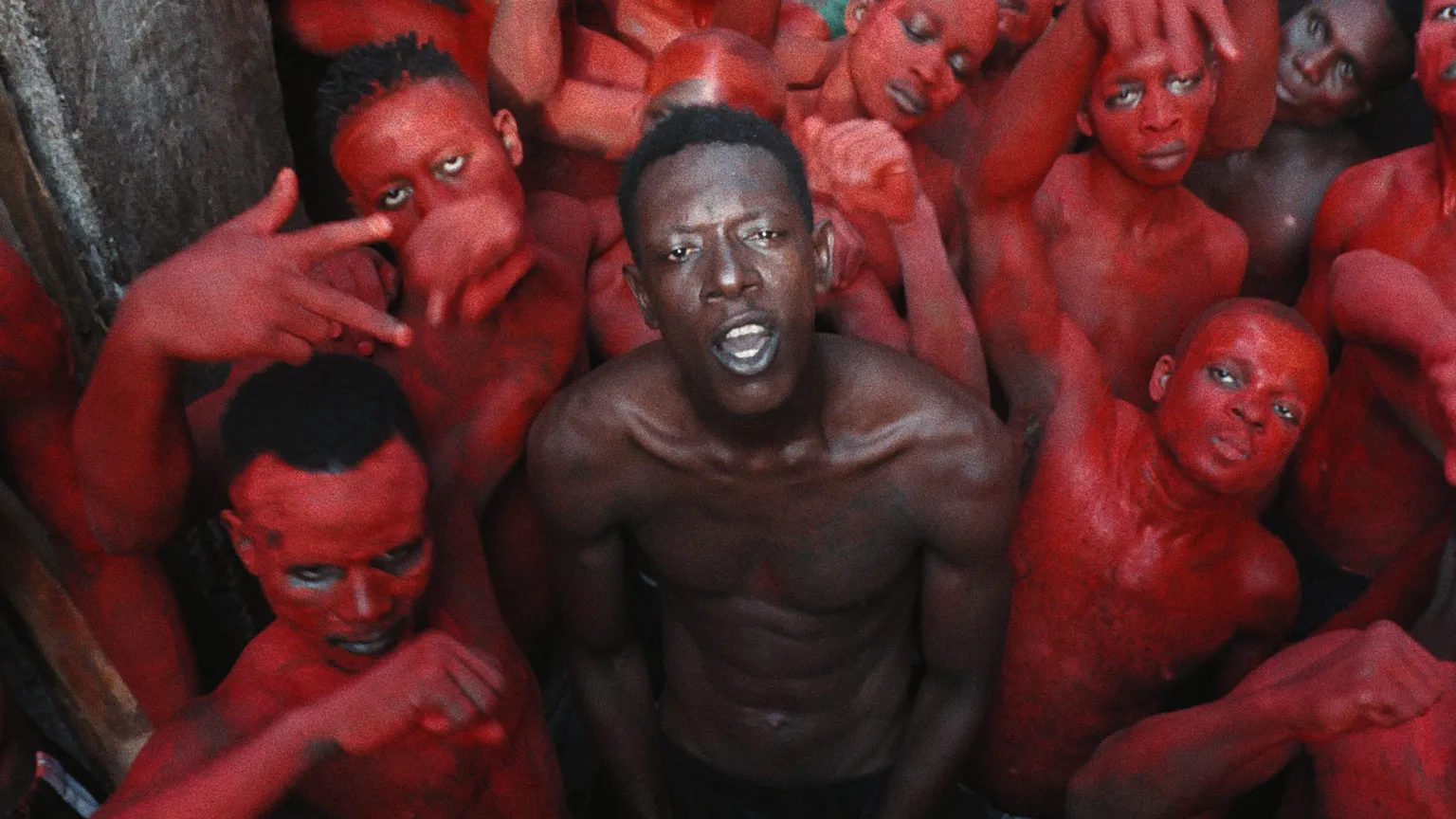

New Bell Prison in Cameroon has become an unlikely hub of artistic expression, housing a functioning music studio and record label that has captured global attention and won major international film festival awards. What began as an improvised response to severe overcrowding and dire conditions has evolved into Jail Time Records, a transformative project that allows incarcerated individuals to produce professional-quality music and tell their stories to audiences across continents.
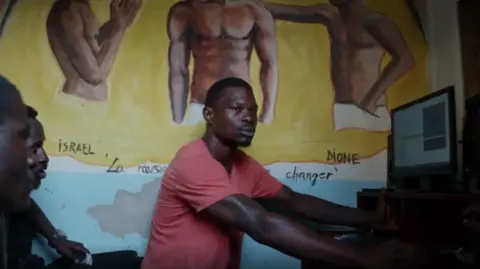
The studio itself is modest—a small, cramped recording booth connected to a room with a single computer—yet it has become a beacon of creative resistance within the prison walls. Songs produced there have amassed thousands of YouTube views, with audiences spanning South Africa, the United States and Argentina. Most remarkably, a documentary chronicling the label's work won three major awards at New York's prestigious Tribeca Film Festival last month, including best documentary feature.
How a Prison Studio Became Reality
Jail Time Records emerged in 2018 when Italian artist Dione Roach was volunteering with a non-profit organisation running programmes inside New Bell. During a dance class, a group of imprisoned rappers seized the microphone and began freestyling, impressing Roach with their talent and energy. She requested permission from prison authorities to establish a recording studio, and remarkably, they agreed. Steve Happi, a former inmate himself, was brought on as producer and sound engineer to run the operation.
The label operates on principles of fairness and reinvestment. When Jail Time Vol 1 album was released in 2022, half the profits went directly to the artists, with the remainder reinvested into the label's operations. This model ensures sustainability whilst honouring the creative contributions of imprisoned musicians.
One of the label's most prominent artists is Stone, a former member of Cameroon's presidential guard sentenced to ten years for armed robbery. His music video for "Heart of Stone" showcases high production values and features dozens of fellow inmates as actors and crew. In the accompanying documentary, Stone's raw lyrics—"Heart of stone, it's war. My senses shatter like broken glass"—underscore the emotional weight of incarceration and his longing to reconnect with his young daughter.
Why It Matters for West Africa
New Bell Prison's crisis provides crucial context for understanding the studio's significance. The facility was designed to hold roughly 1,200 inmates but houses approximately 4,700—roughly four times its intended capacity. These cramped, unsanitary conditions have bred disease outbreaks; a cholera outbreak four years ago killed at least six prisoners. The prison has also earned a reputation for violence and gang activity.
Within this environment, Jail Time Records represents more than entertainment. It offers prisoners psychological relief, community, purpose and hope during sentences that may span decades. Steve Happi describes the studio as "an instrument of resistance" where inmates "find the freedom" despite physical confinement. For West African nations grappling with prison overcrowding and inadequate rehabilitation infrastructure, the Cameroon model demonstrates how creative outlets can improve prison conditions and reduce recidivism without requiring massive capital investment.
The project has attracted international recognition, with New Zealand Oscar-winning director Taika Waititi and singer Rita Ora serving as executive producers for the documentary. Waititi emphasised the redemptive power of art: "Having an outlet is an incredibly powerful and humane thing" for individuals serving long sentences.
The Documentary Legacy
The six-year documentary, filmed entirely within New Bell's walls and directed by Happi and Roach, provides an intimate portrait of prison life and artistic ambition. It captures both triumph—inmate Empereur's music video garnering 24,000 YouTube views—and heartbreak, including Stone's repeated failed attempts to reach his daughter by phone. These intimate moments underscore that behind every artist in the studio stands a human being wrestling with isolation, redemption and connection to the outside world.
Source: The Ghana Report



Comments (0)
Be the first to comment.