
Fire Guts Scrap Warehouse at Circle Railway in Accra as GNFS Moves Swiftly to Contain Blaze


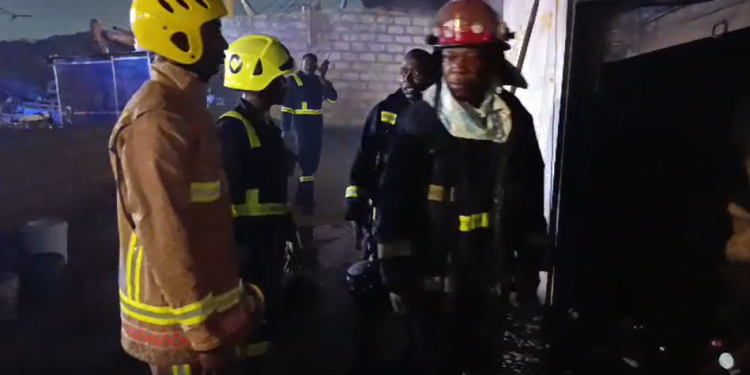
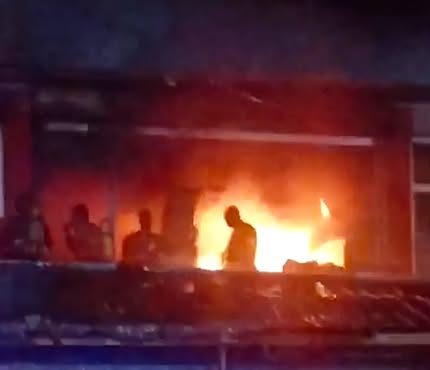
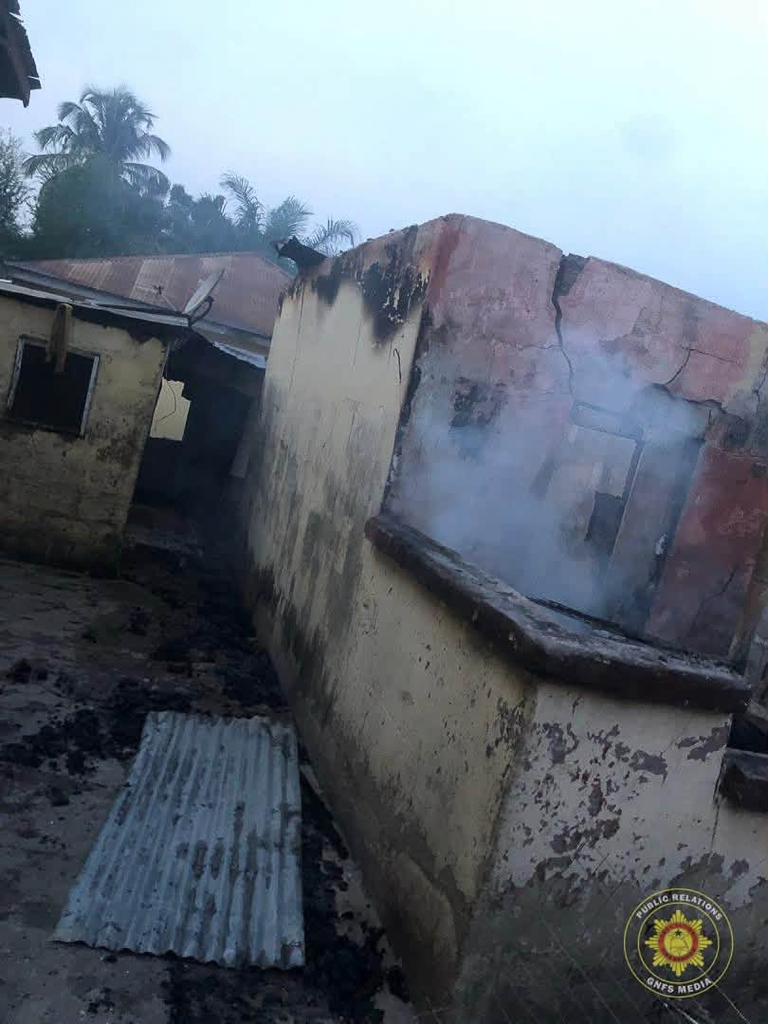
A fire outbreak near Circle Railway in Accra has destroyed the ground floor of an uncompleted two-storey building that was being used as a scrap warehouse, prompting a swift response from the Ghana National Fire Service (GNFS). Firefighters managed to contain the blaze before it could spread further or cause damage to neighbouring properties in the busy area.
What happened at Circle Railway
The fire broke out at the uncompleted structure, which had been converted into storage space for scrap materials — a common practice in many parts of Accra where abandoned or unfinished buildings are repurposed informally. The ground floor of the building bore the brunt of the destruction, with scrap items stored within consumed by the flames.
The Ghana National Fire Service responded to the incident and was able to bring the fire under control, preventing it from spreading to the upper floor or to surrounding structures. The Circle Railway area, located in one of Accra's busiest commercial corridors, is densely populated with traders, workshops, and pedestrian traffic, meaning the potential for wider destruction was significant.
It is not immediately clear what triggered the fire, and investigations are expected to determine the cause. No casualties have been reported at this stage.
Why it matters for Ghana
Fires involving informal storage spaces and uncompleted buildings are a recurring concern across Accra and other Ghanaian cities. Buildings that are left uncompleted for extended periods are frequently occupied or repurposed without formal safety assessments, creating conditions that can become hazardous — particularly when flammable materials such as scrap metals, rubber, or fuel residues are stored inside.
The Circle Railway corridor is a hub for the second-hand goods and scrap trade in the capital, and fires in such environments can have serious economic consequences for traders who often operate without insurance. Many of the individuals who rely on these informal spaces lose their livelihoods entirely when disasters of this nature occur.
The Ghana National Fire Service has repeatedly called on the public to report fire hazards and to avoid storing flammable goods in spaces that lack proper fire safety provisions. The GNFS has also raised concerns about the challenges firefighters face when accessing densely built or congested urban areas, which can delay response times and complicate containment efforts.
A wider pattern of urban fire risk
Ghana's urban centres, and Accra in particular, have seen numerous fire incidents in recent years involving markets, warehouses, and informal commercial spaces. Major fires at Kantamanto Market, Kejetia, and other trading hubs have caused hundreds of millions of cedis in losses and displaced thousands of traders.
Authorities including the GNFS, the Accra Metropolitan Assembly, and the Ghana Standards Authority have at various times outlined plans to improve fire safety compliance in markets and commercial areas, including the installation of fire extinguishers and the enforcement of building codes. However, enforcement remains uneven, and many businesses — particularly small and informal operators — continue to operate in conditions that fall short of safety standards.
- The incident serves as a reminder of the urgent need for urban fire safety reforms, particularly around the use of uncompleted and informal structures for commercial storage.
- Residents and traders in high-density areas are encouraged to keep emergency contact numbers for the Ghana National Fire Service readily available and to ensure basic fire safety measures are in place in their premises.
- The GNFS emergency line is 192, which the public can call to report fires or other emergencies anywhere in Ghana.
Investigations into the cause of the Circle Railway fire are ongoing, and GH Today will provide updates as more details emerge.
Source: 3News

Comments (0)
Be the first to comment.