
Fire Guts Dormitory at Navrongo College, Leaving Over 200 Female Students Homeless
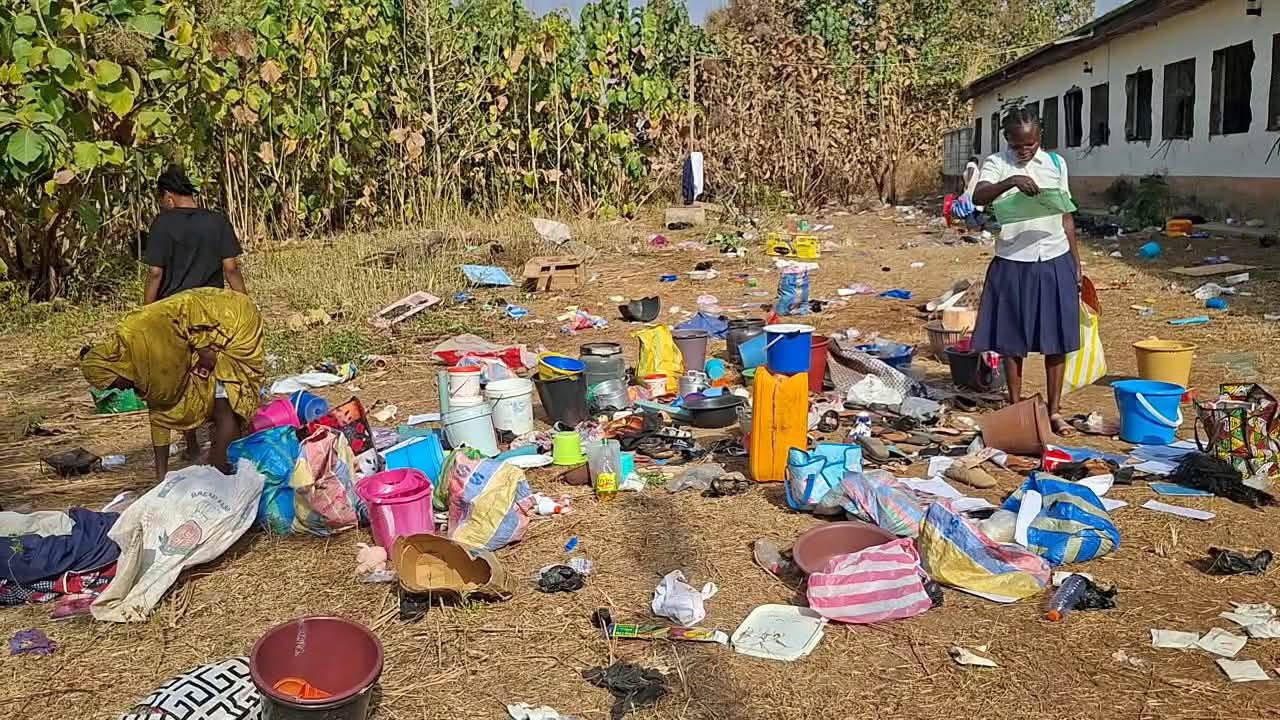

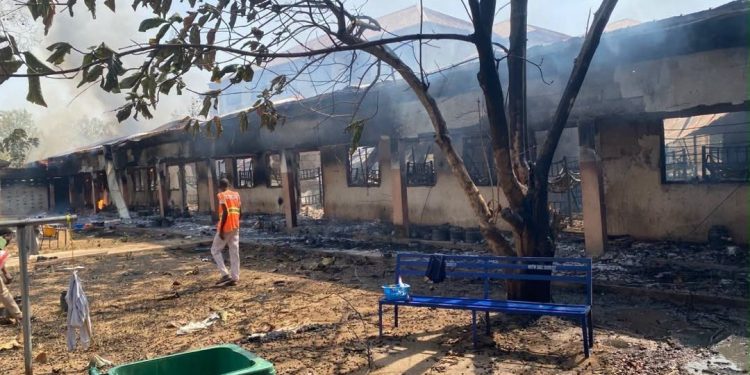
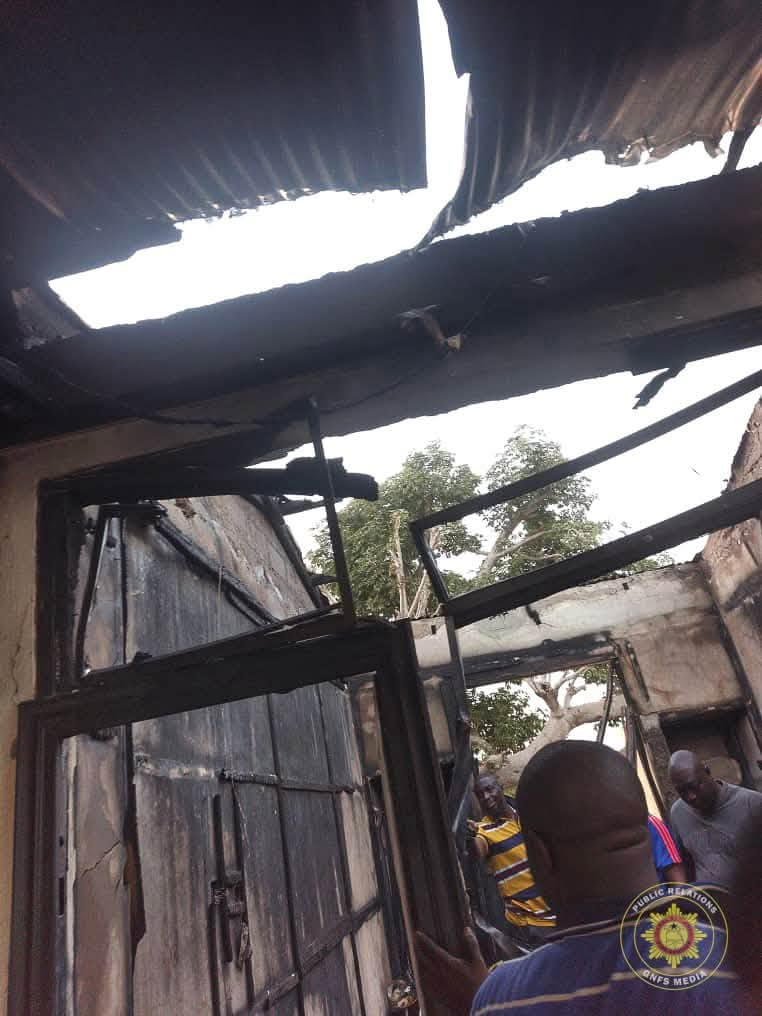
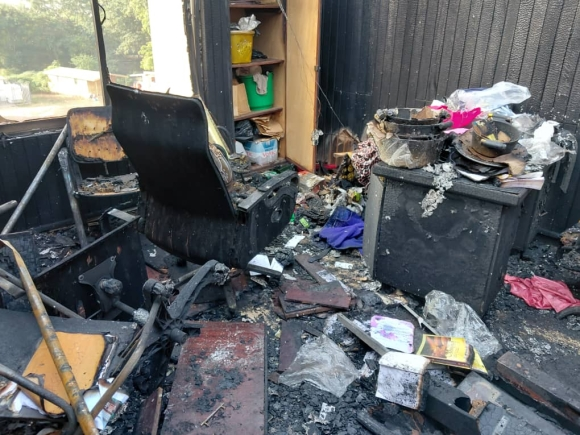
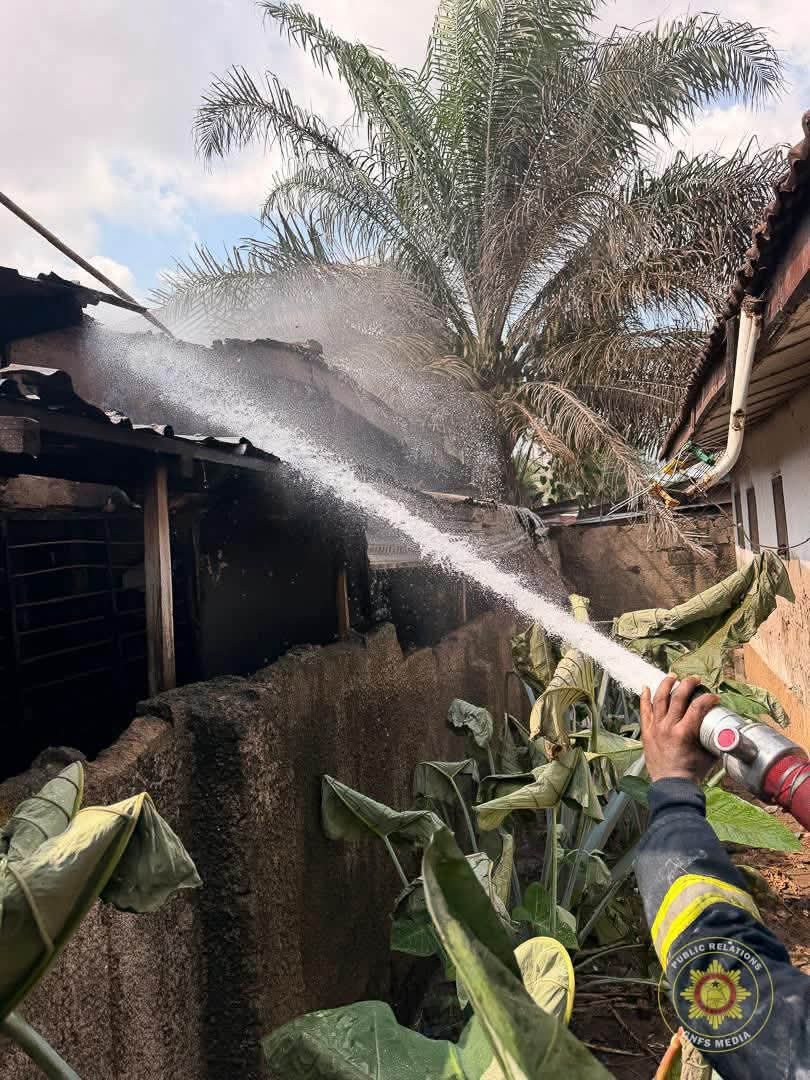
More than 200 female students at St. John Bosco College of Education in Navrongo, Upper East Region, have been left without accommodation after a fire tore through the Presentation Brothers Hall on Friday, 27th November 2026. The blaze gutted six rooms in the facility, reducing personal belongings — including mattresses, clothing, textbooks, mobile phones and laptops — to ash in what has been described as a deeply distressing incident for the affected students and the institution.
What happened
The fire broke out in the female dormitory block that housed approximately 214 students. Before the Ghana National Fire Service could arrive at the scene, some students made brave attempts to contain the flames themselves, though their efforts ultimately proved insufficient to stop the destruction. Fire service personnel eventually managed to bring the blaze under control and prevent it from spreading to other sections of the hall.
No casualties have been reported, which college management will consider a relief given the scale of the destruction. However, the cause of the fire has not yet been determined, and investigations are expected to follow. The loss of personal and academic materials — particularly laptops and books — poses a significant setback for students who were likely preparing for end-of-semester activities.
Dr. Mahamudu Daniel, Head of Department for Science at the college, confirmed that management had engaged the affected students to offer emotional support in the immediate aftermath. He further stated that temporary accommodation arrangements had been put in place while the institution works towards a more permanent solution to the housing challenges now facing the displaced students.
Why it matters for Ghana
Fires in student accommodation are not an isolated phenomenon across Ghanaian tertiary institutions. Overcrowding, aging infrastructure and inadequate fire safety provisions in many public colleges and universities have long been raised as serious concerns by students and education advocates alike. Incidents like this one shine a harsh light on the vulnerability of students — particularly those in boarding facilities in rural and peri-urban areas — where resources to respond to emergencies can be limited.
St. John Bosco College of Education is a government-accredited teacher training institution, and its students are largely training to become educators who will serve communities across the country, including in underserved northern regions. The loss of academic materials, devices and study resources is therefore not simply a personal misfortune for each student; it has broader implications for their readiness to complete coursework and go on to serve in classrooms.
The incident also raises urgent questions about fire prevention infrastructure at the college and similar institutions. Regular fire drills, functioning fire extinguishers and clearly marked emergency exits are basic requirements that can mean the difference between containment and catastrophe.
What comes next
The college's management has acknowledged the need for a lasting accommodation solution, though no specific timeline or funding plan has been publicly outlined. Well-wishers, alumni associations and the Ghana Education Service may be called upon to assist in replacing lost materials and supporting the students' welfare.
For the more than 200 displaced students, the immediate priority is stable and safe housing so that their academic year is not further disrupted. Education authorities and the Upper East Regional Coordinating Council may need to step in to ensure the college receives adequate support to address both the emergency and the structural gaps that may have contributed to it.
Source: The Ghana Report

Comments (0)
Be the first to comment.