FIFA in turmoil as Norway demands Infantino's resignation amid global divide over World Cup privatisation plan
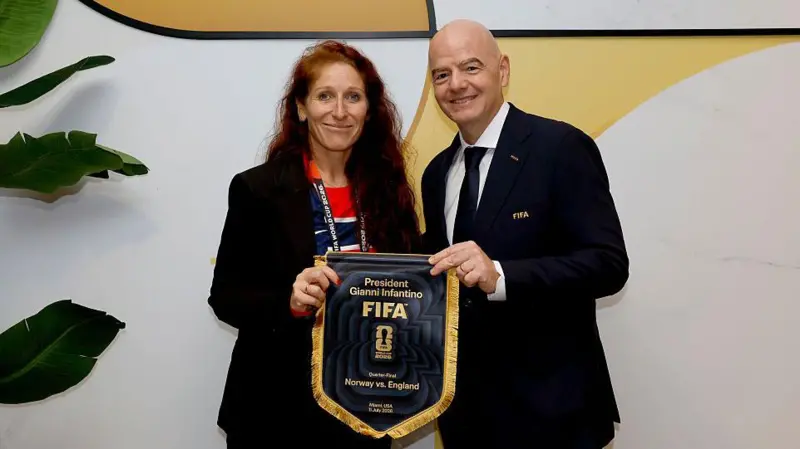
FIFA is facing unprecedented institutional crisis as the global football community fractures over president Gianni Infantino's failed attempt to sell stakes in the World Cup to private investors. Norway has become the first national federation to explicitly demand his resignation, whilst other major football powers including Mexico and Argentina have thrown their support behind the embattled 56-year-old.
The divide exposes a fundamental rift within world football's governing structures, with European and North American federations largely opposing Infantino's leadership whilst African, South American and Mexican football bodies remain supportive. This split threatens to overshadow preparations for the 2026 World Cup, which will be hosted jointly by Mexico, Canada and the United States.
Europe and North America turn against Infantino
Norwegian Football Federation president Lise Klaveness articulated the growing frustration on Friday, stating that Infantino "does not have the institutional trust required to govern FIFA stably in the times we are in." Norway's position goes beyond that of England, Wales, Croatia and Albania, which have withdrawn support without explicitly calling for resignation.
Klaveness, a qualified lawyer, outlined multiple concerns accumulated over her four-year tenure, including questions about tournament allocation processes, the controversial FIFA peace prize awarded to US President Donald Trump in December, and FIFA's reversal of a ban on American forward Folarin Balogun during the recent World Cup following a Trump phone call.
UEFA, European football's governing body, has already labelled the privatisation proposal a "shabby, back room, opaque deal" and warned that European teams could boycott the 2026 World Cup if its conditions are not met. The Confederation of North and Central American and Caribbean Football (Concacaf) has similarly called for a "comprehensive reckoning" of Infantino's presidency, describing the proposal as "a symptom of leadership that has stopped putting football first."
Support from World Cup hosts and African confederation
In stark contrast, the Mexican Football Federation broke ranks with its regional body Concacaf to publicly back Infantino. Mexico's statement declared that the FMF "supports president Infantino's leadership in continuing to promote the development of football through institutional strengthening."
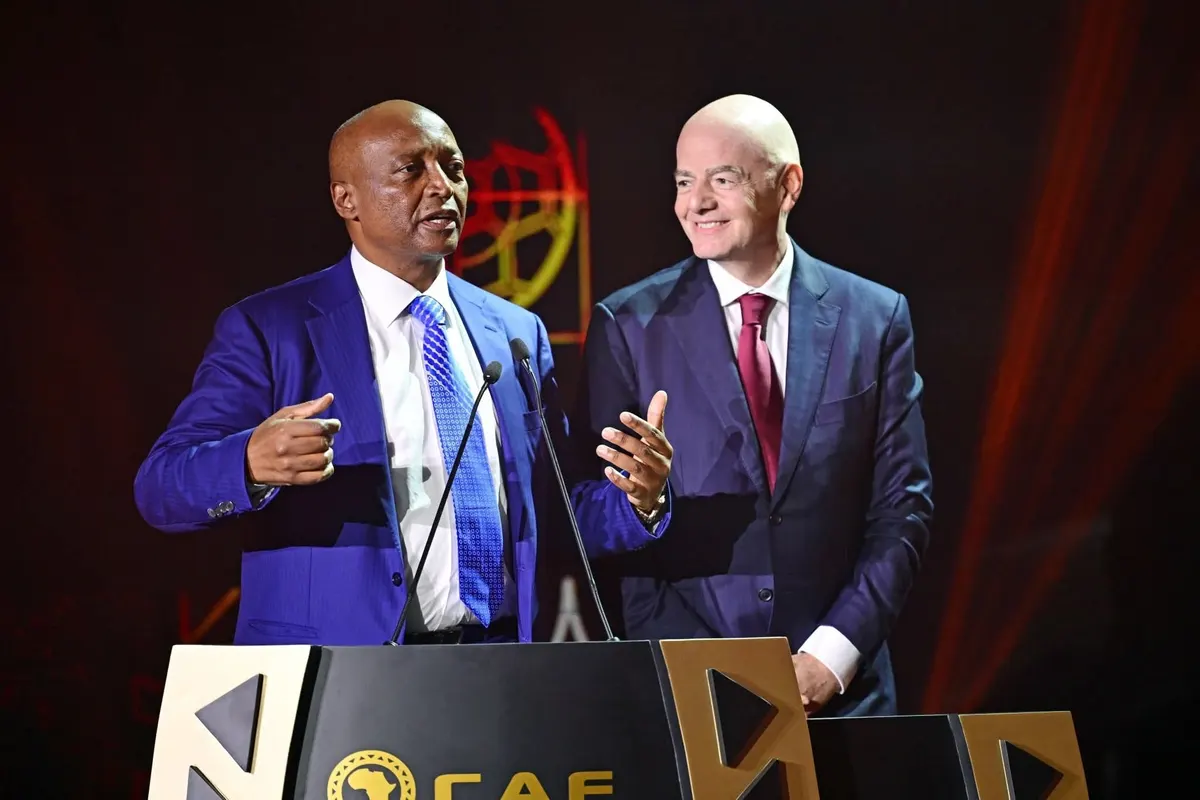
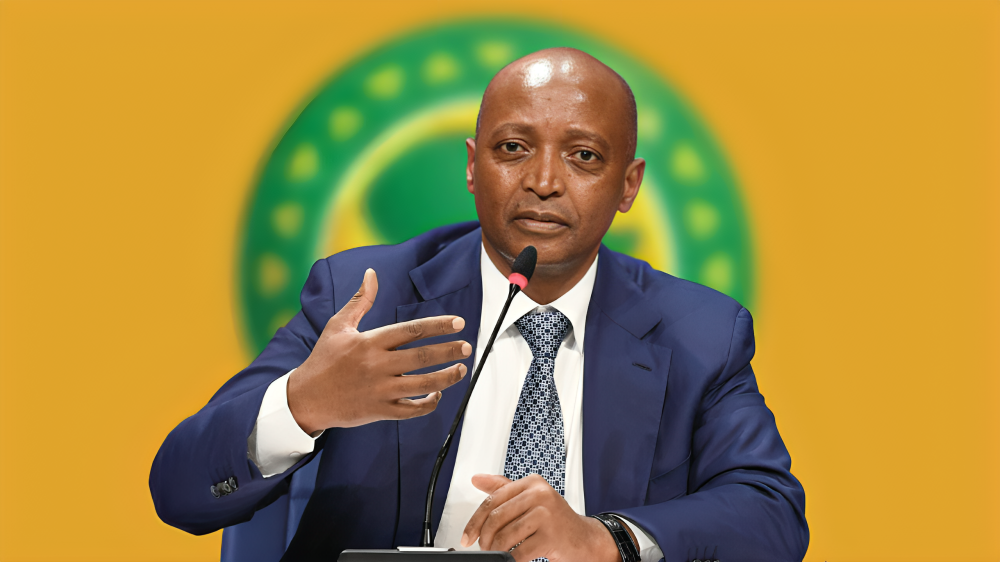
Argentina's football association has similarly praised Infantino for acknowledging and apologising for his "errors," characterising his decade-long tenure as centred on global football development and institutional governance. The Confederation of African Football unanimously backs Infantino, providing him with solid support from the continent.
Conmebol, South America's governing body, echoed Mexico and Argentina's position by rejecting any attempt to remove Infantino without a vote involving all 211 FIFA members, though it did express concerns about his unilateral decision-making processes.
Why it matters for Ghana
This FIFA leadership crisis directly impacts Ghana and African football. As a CAF member, Ghana benefits from the unified African support for Infantino, which gives the continent collective leverage within FIFA. However, the deepening institutional dysfunction at FIFA could affect tournament organisation, financial distributions to federations, and development initiatives across Africa.
The discord also highlights broader governance concerns that could influence how FIFA operates its competitions and allocates resources. For Ghana's national teams and football development programmes, FIFA's stability is crucial for predictable tournament scheduling, funding mechanisms and administrative support. The threatened European boycott of 2026, if it materialises, would fundamentally alter the World Cup's structure and African nations' competitive prospects.
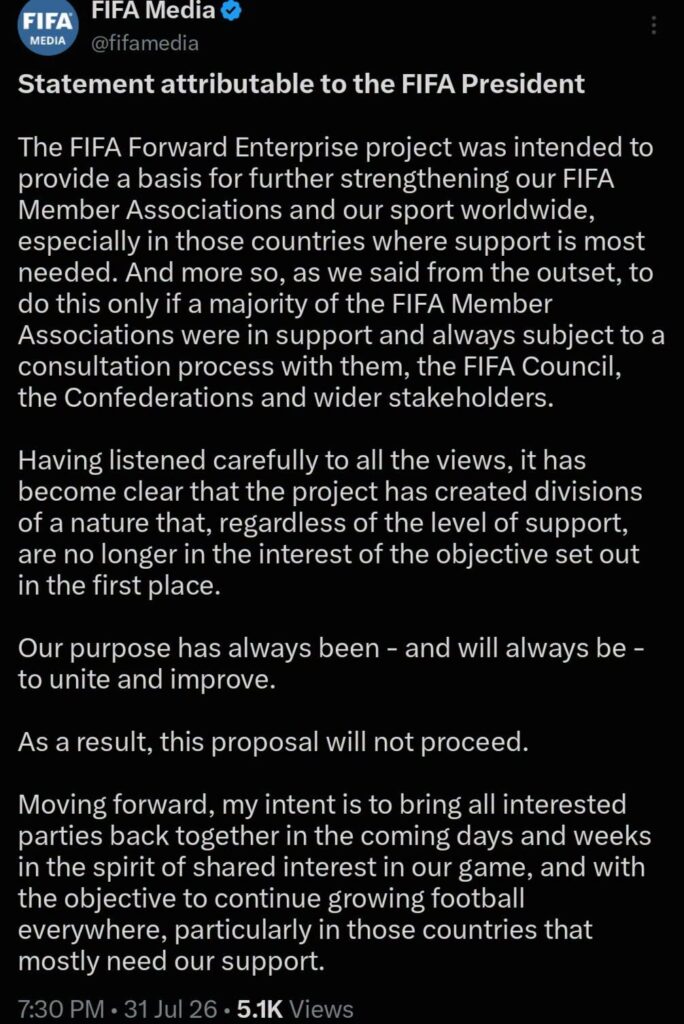
Infantino's withdrawal of the privatisation plan, whilst addressing the immediate crisis, has not resolved the trust deficit among key football federations. Whether he can rebuild confidence—or whether the global football community will pursue his removal through formal mechanisms—remains uncertain but will significantly shape African football's environment over coming years.
Source: Today GH
Comments (0)
Be the first to comment.