FIFA Scraps World Cup Investment Plan After Global Backlash; What It Means for African Football
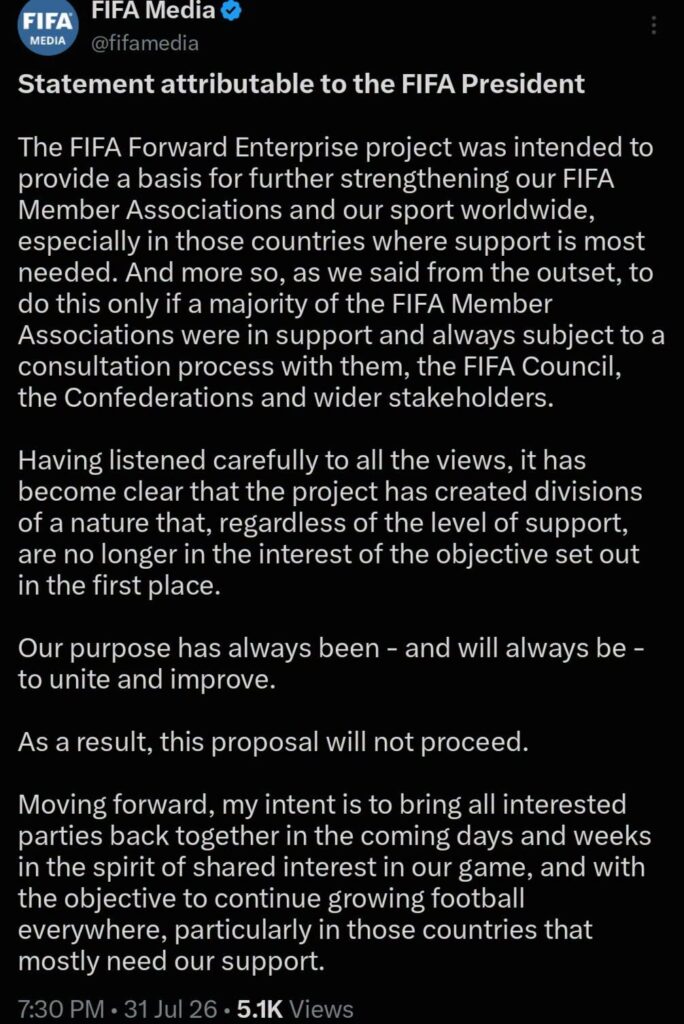
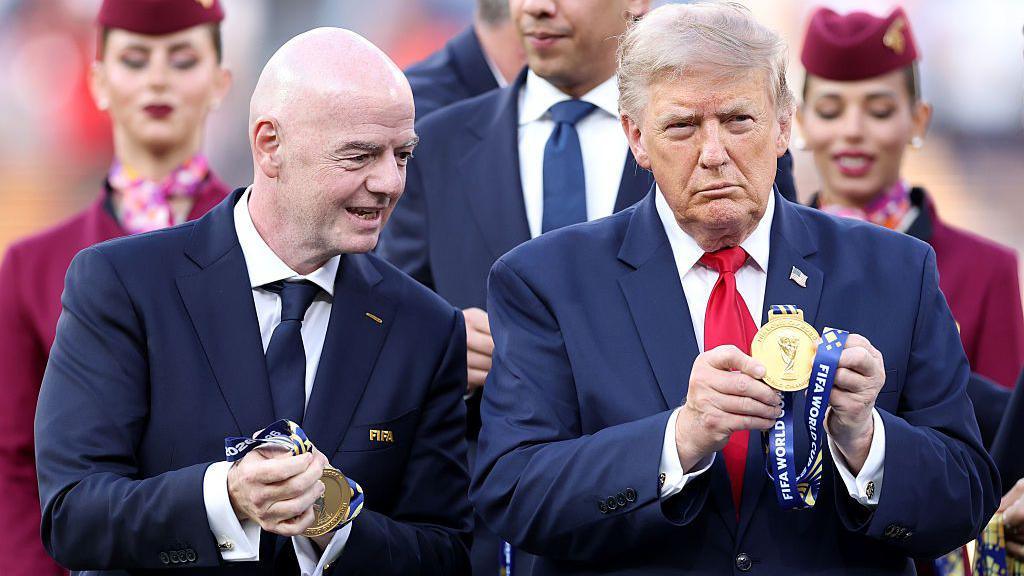
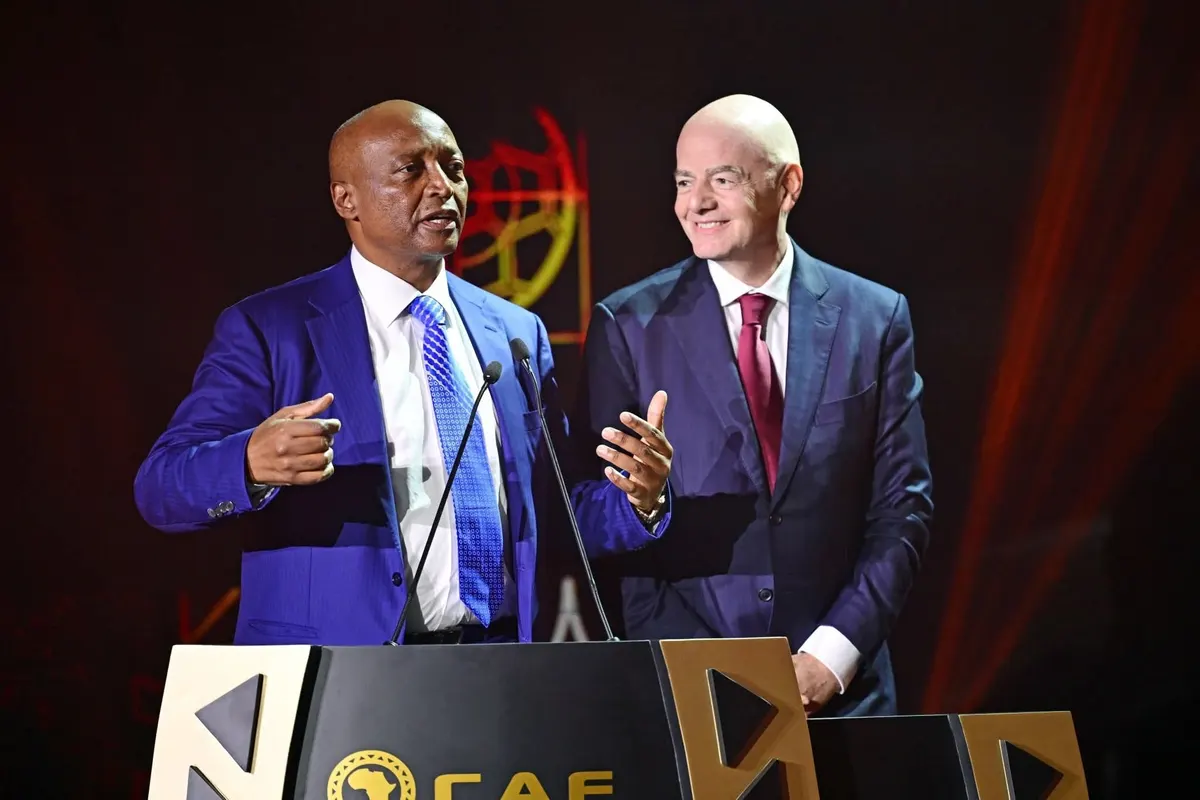
FIFA President Gianni Infantino has announced the scrapping of a highly contentious plan to sell stakes in the organisation's major competitions, including the men's and women's World Cups, following coordinated opposition from football confederations worldwide.
The decision comes after European football's governing body UEFA, along with Concacaf (which oversees North and Central America) and the Asian Football Confederation (AFC), publicly rejected the proposal. Infantino acknowledged that the plan had "created divisions" incompatible with football's interests and confirmed the proposal would not proceed.
The investment scheme would have offered each of FIFA's 211 member associations $40 million in exchange for backing private investment in the organisation's tournaments. Despite the financial incentive, the plan faced unprecedented unified opposition from major continental bodies, with sources indicating that Concacaf members had substantially lost confidence in Infantino's leadership.
How the Proposal Unravelled
The collapse accelerated after internal dissent emerged within FIFA itself. Kevin Lamour, FIFA's chief operating officer, revealed the administration had been "deceived" about the project's details. More significantly, Carlos Cordeiro, Infantino's senior adviser on global strategy and governance, resigned in protest, characterising the proposal as "a bad deal for football" that would "mortgage football's future."
Mathematically, the plan had become untenable. UEFA controls 55 votes, Concacaf 35, and the AFC 46—totalling 136 potential opposition votes from just three confederations. Since Infantino needed 106 affirmative votes from FIFA's 211 members to proceed, the unified stance from three major confederations made passage virtually impossible. The African Football Confederation (CAF) and Oceania Football Confederation (OFC) had deferred decisions, while South America's Conmebol requested clarification, but the momentum had decisively shifted against the proposal.
Why It Matters for Ghana and African Football
This reversal has significant implications for Ghana and the broader African football landscape. CAF, which governs African football including Ghana's Football Association, had not initially committed to opposing the plan, indicating the continent was potentially vulnerable to FIFA's incentivisation strategy. The scrapping of this proposal protects African nations from pressure to compromise governance standards in exchange for financial benefits.
The unified rejection from UEFA, Concacaf, and AFC strengthens the principle that football's competitive and commercial integrity should not be privatised for investor profit. For Ghana—a nation with aspirations in continental and global football competitions—this outcome safeguards the structural integrity of tournaments that shape African football's future, including the Africa Cup of Nations qualification pathways and World Cup structures.
More broadly, the decision reflects growing accountability within FIFA. The fact that confederations could collectively resist pressure, and that senior FIFA officials publicly dissented, signals that member associations and football stakeholders possess meaningful leverage over the organisation's direction.
Infantino's Shifting Position
Infantino, 56, faces immense pressure ahead of his bid for re-election to a fourth presidential term at FIFA's Congress in March. Initially, FIFA insisted the proposal would proceed despite Uefa's boycott threat, but the president ultimately acknowledged political reality. He now intends to "bring all interested parties back together" in a spirit of shared interest, a significant rhetorical shift from the aggressive promotion of the investment plan.
The episode reveals tensions between FIFA's centralised decision-making and the confederations' collective power. For African football and Ghana specifically, it demonstrates that organised opposition to controversial governance changes can succeed, even against FIFA's financial inducements and institutional pressure.
Source: MyJoyOnline
Comments (0)
Be the first to comment.