Fair Wages Commission Chief Hits Back at GAUA Strike Over Service Conditions Dispute

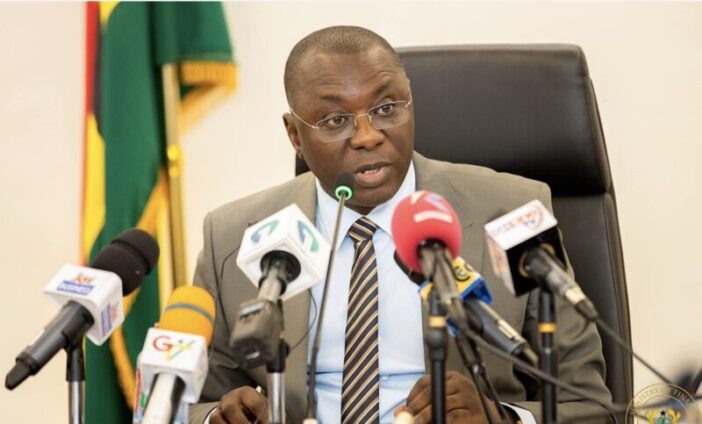
The Chief Executive of Ghana's Fair Wages and Salaries Commission has publicly condemned the strike action initiated by the Ghana Automobile Union Association (GAUA), labelling the industrial action as unjustified given the Commission's assessment of the workers' grievances.
The dispute centres on longstanding concerns raised by GAUA members regarding their conditions of service and allowances. The union has maintained that current arrangements fall short of fair standards for its members, prompting the decision to withdraw labour in an effort to force negotiations.
The Dispute Over Worker Allowances
GAUA's decision to strike reflects broader tensions within Ghana's automotive sector regarding compensation structures. The union has pointed to specific gaps between what members receive and what they argue constitutes fair remuneration for their work. These grievances extend beyond basic salary concerns to encompass a range of allowances—such as transport, housing, and performance-related payments—that significantly impact workers' take-home earnings.
The Fair Wages and Salaries Commission, the statutory body tasked with advising government on public sector pay and conditions, has evidently concluded that GAUA's position lacks merit or that the demands are unreasonable given economic constraints. The Commission's public criticism suggests it believes the union has overstepped acceptable bounds in resorting to strike action without exhausting alternative dispute resolution channels.
Why It Matters for Ghana
This clash between labour unions and government bodies reflects deeper challenges facing Ghana's industrial relations landscape. The automotive sector is a significant economic driver, and labour instability in this industry can disrupt supply chains, affect manufacturing output, and ultimately impact consumer prices and employment across related sectors.
For workers, the strike represents a familiar pattern: the balance between pressing legitimate wage and condition demands against the risk of job security and employer retaliation. For government and the Fair Wages Commission, the challenge involves maintaining economic competitiveness whilst ensuring workers aren't exploited.
The outcome of this dispute will likely set a precedent for how other unions approach similar grievances. If GAUA wins significant concessions, it may embolden other sectors to demand comparable reviews. Conversely, if the Commission's position holds, unions may face greater pressure to accept existing frameworks without challenge.
Path Forward
Both parties will need to return to the negotiating table to resolve this impasse. The Fair Wages Commission's public criticism suggests a hardline stance, but prolonged industrial action typically forces compromise. Key issues that will likely dominate discussions include the specific allowance structures in dispute, comparisons with other sectors, and Ghana's broader fiscal capacity to accommodate wage increases.
The union and the Commission appear to be at an impasse, with little room for reconciliation given the public nature of their disagreements. However, mediation through Ghana's Ministry of Employment and Labour Relations or other neutral bodies may offer a path to resolution without further economic disruption to the automotive sector.
Source: 3News

Comments (0)
Be the first to comment.