Europe's Killer Heatwave: Over 150 Million Affected as Scientists Blame Climate Change
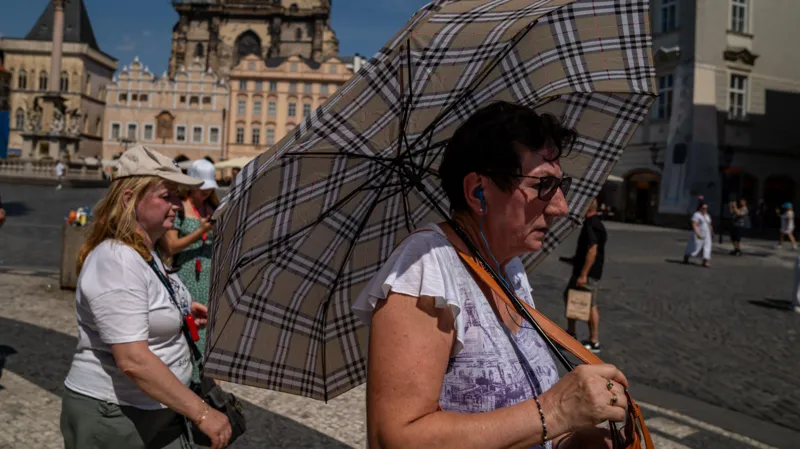
A devastating heatwave has tightened its grip on Europe, with temperature records shattered across Germany, Denmark, the Czech Republic and Switzerland over the weekend. More than 150 million people on the continent are currently enduring temperatures above 35°C, raising serious concerns about public health and the environment.
Germany recorded a provisional all-time high of 41.5°C in Möckern-Drewitz in the eastern state of Saxony-Anhalt — the second consecutive day the country had broken its own national record. The Czech Republic also registered its hottest temperature ever at 40.8°C in Doksany, north of Prague, whilst Denmark provisionally recorded 37°C near Aarhus, surpassing a record that had stood since 1976.
The death toll from the extreme heat continues to rise. Spain's MoMo monitoring system linked at least 327 deaths to the heat between Sunday and Thursday, whilst French health officials reported approximately 1,000 additional deaths during the heatwave period. At least 55 people have drowned in France, with around two-thirds swimming in unsupervised areas.
Climate Change 'Unequivocally' to Blame
Scientists from the World Weather Attribution group have stated that a heatwave of this intensity occurring so early in summer would have been virtually impossible 50 years ago. They say climate change is unequivocally responsible. The World Meteorological Organization has warned of "major impacts" to human health and ecosystems across the region.
BBC meteorologist Ben Rich explained that the crisis was driven by a slow-moving high-pressure system — a so-called "heat dome" — which caused sinking air to compress and warm progressively, with largely cloud-free skies intensifying the effect. Europe is currently the world's fastest-warming continent, a trend linked to rapid Arctic heating and shifts in jet stream patterns.
For Ghanaians living and working in Europe, authorities are urging people to stay hydrated, avoid direct sunlight during peak hours, and check on elderly neighbours and relatives. Some relief is expected later in the week as cooler air moves in from the west.
Source: The Ghana Report



Comments (0)
Be the first to comment.