EPA Shuts Down Empire Cement Over Air Pollution Breaches At Weija Plant
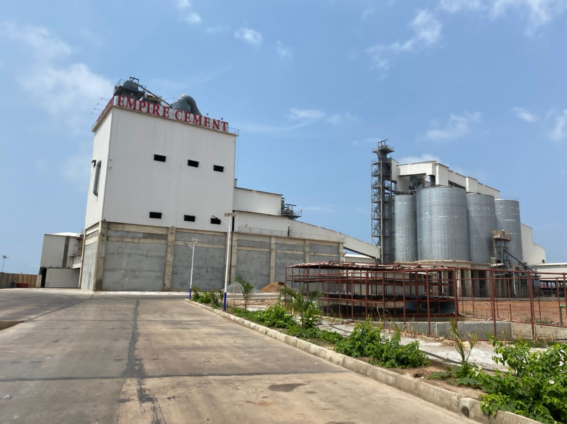
Ghana's Environmental Protection Authority has ordered the immediate shutdown of Empire Cement Ghana Ltd. at Weija in Greater Accra following sustained violations of environmental regulations and public health standards. The enforcement action, issued in a notice dated September 14, 2026, comes after months of complaints regarding hazardous air emissions from the facility.
The EPA's investigation confirmed that the factory has been discharging visible particulate matter, gases and other pollutants into the atmosphere at levels that pose risks to both environmental quality and public health in the surrounding communities. These findings represent a serious breach of Ghana's environmental protection framework and the company's operating permit conditions.
What Empire Cement Failed To Do
Empire Cement has violated multiple critical conditions of its environmental permit, numbered EPA/MID/EMP/CU 859/25/1013/01/0042947. The company failed to install and maintain state-of-the-art pollution control systems required under Condition 5.1(1)(a) of the permit. Ghana Standard GS 1236:2019, which sets ambient air quality and stack emissions limits, has not been met.
Additionally, the company neglected to properly maintain existing pollution control equipment and dust plants, allowing excessive emissions to escape into the environment. The EPA also found that Empire Cement failed to submit quarterly environmental monitoring returns as mandated, breaching Condition 9.1 of its permit. The company must now submit all outstanding returns by October 1, 2026.
Why This Matters For Ghana
This enforcement action reflects growing pressure on Ghana to protect air quality and public health, particularly in densely populated urban areas like Weija. Industrial pollution from cement manufacturing affects not only workers but also residents in neighbouring communities who have increasingly voiced concerns about respiratory issues and environmental degradation.
The EPA's decisive action sends a signal that environmental permits are not merely advisory documents—companies must comply or face operational consequences. Ghana faces significant air quality challenges, particularly in industrial zones around Accra, and enforcement actions like this are essential to establishing accountability. The shutdown also highlights the importance of regular monitoring and maintenance of pollution control systems across Ghana's industrial sector.
For other cement and manufacturing operations across the country, the case serves as a warning that regulatory compliance is mandatory. The EPA's emphasis on state-of-the-art control systems reflects international best practice and Ghana's commitment to environmental standards under various international agreements.
Path To Resumption
Empire Cement has been given specific corrective measures it must complete before resuming operations. The company must install appropriate pollution control systems capable of meeting GS 1236:2019 standards. All existing pollution control systems and auxiliary equipment must be properly maintained and kept in operational condition at all times. The company must also demonstrate ongoing compliance through submission of required environmental monitoring documentation.
The EPA's action represents an important test of Ghana's environmental governance, signalling that even established industrial operations cannot ignore pollution regulations without facing enforcement consequences.
Source: The Ghana Report

-600x356.webp)
Comments (0)
Be the first to comment.