Dr. Ellen Ohene-Afoakwa Takes Helm at CIB Ghana as Institute Reports Strong Financial Growth
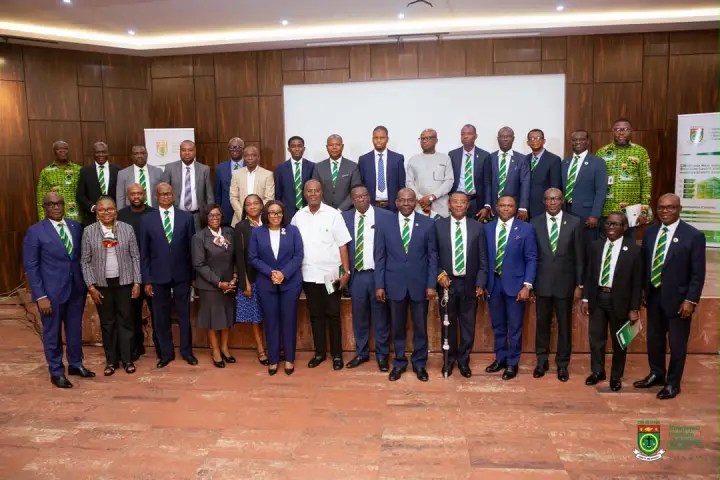
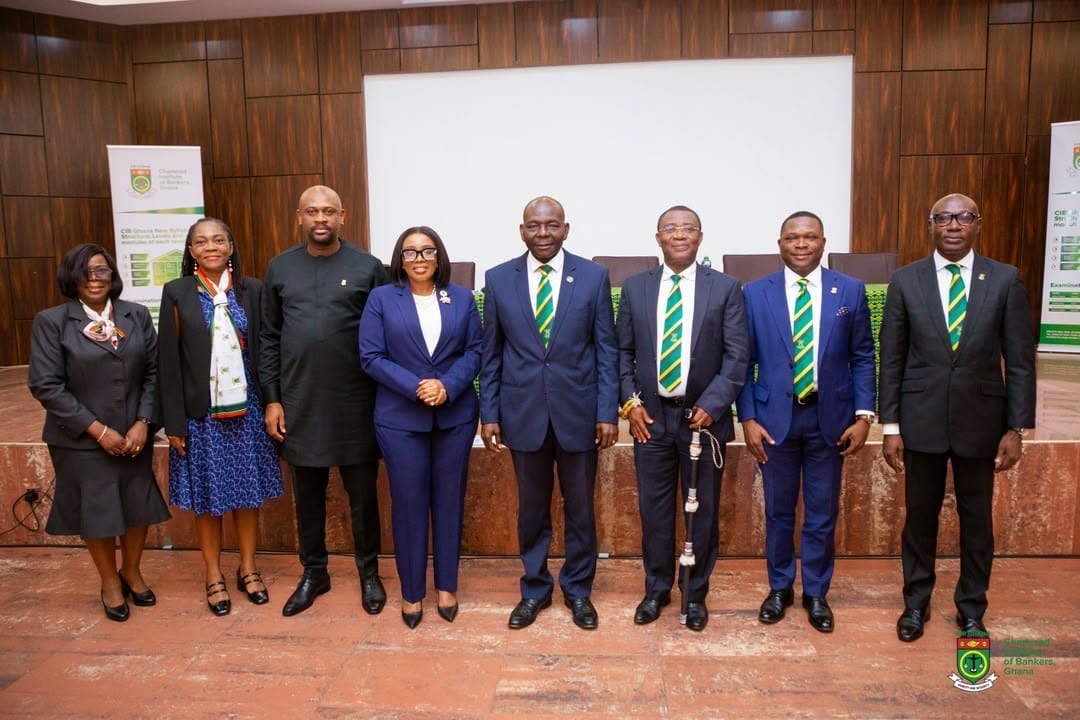
The Chartered Institute of Bankers (CIB) Ghana has appointed Dr. Ellen Ohene-Afoakwa as its new president for a two-year term, following elections held at the institute's sixth annual general meeting in Accra on 25 June 2026. The move marks a significant leadership transition for Ghana's premier banking professional body, coming alongside impressive financial results that underscore the sector's institutional strength.
Dr. Ohene-Afoakwa, who holds the status of Fellow of the Chartered Institute of Bankers (FCIB), currently serves as Managing Executive for Corporate and Investment Banking at Absa Bank Ghana Ltd. She brings prior experience as a governing council member of CIB Ghana and steps into the role with an ambitious vision focused on professional development and industry leadership.
Leadership Team and Priorities
Alongside Dr. Ohene-Afoakwa, Mr. Woelinam Dogbe, FCIB, assumes the vice presidency. Dogbe serves as Deputy Director-General of Investment and Development at the Social Security and National Insurance Trust (SSNIT), bringing significant institutional finance experience to the role. The expanded governing council includes Rosemond Amoo, Doris Yaa Aggrey Ahiati and Daniel Arhin, collectively representing expertise spanning human resources management, corporate consulting, and banking operations.
In her acceptance address, Dr. Ohene-Afoakwa outlined three core focus areas for her tenure: education, skills development, and staff welfare. She emphasised the institute's mandate to promote banking professionalism and regulate practice within Ghana's financial sector, pledging to champion ethical conduct, continuous learning, and innovation throughout the profession. Her commitment extends to fostering collaboration with industry stakeholders to strengthen institutional capacity and mentor emerging banking professionals.
Strong Financial Performance Reflects Banking Sector Health
The leadership transition occurs during a period of robust financial performance for the institute. CIB Ghana reported a remarkable 33 percent revenue increase to GH₵18.82 million for the 2025 financial year, with net surplus climbing 36 percent. This growth reflects genuine momentum across multiple operational areas within Ghana's banking and finance ecosystem.
Examination and student activity programmes were the primary growth drivers, surging 174 percent to GH₵5.22 million. Commercial training income rose 86 percent, whilst the annual Bankers Week commemoration generated 158 percent more income than the previous year, reaching GH₵546,518. The institute's strategically renovated auditorium—refurbished ahead of the organisation's 60th anniversary—generated 40 percent higher rental income at GH₵1.2 million.
Non-subscription income accounted for GH₵13.77 million (73 percent of total revenue), whilst subscription income totalled GH₵5.05 million. Interest income doubled to GH₵776,731, demonstrating improved financial management and liquidity positioning.
Why It Matters for Ghana
The CIB Ghana leadership change and strong financial metrics signal confidence and stability within the country's banking profession at a critical time. Ghana's financial sector remains central to economic growth, and the institute's role in setting professional standards, delivering ongoing education, and mentating future bankers shapes the quality of financial services available to Ghanaian businesses and households.
Dr. Ohene-Afoakwa's emphasis on education and skills development aligns with broader national priorities around human capital development and professional competitiveness. Her tenure comes as Ghana's banking sector continues navigating post-pandemic economic challenges and preparing for evolving regulatory demands within the ECOWAS region.
The 36 percent operational surplus growth and 21 percent strengthening of the members' fund to GH₵8.52 million indicates the institute is investing in its infrastructure and programmes whilst maintaining financial resilience—a model that extends credibility to the banking profession itself and provides resources for the professional development initiatives Dr. Ohene-Afoakwa has prioritised.
Source: Ameyaw Debrah


Comments (0)
Be the first to comment.