Development Bank Ghana to launch custom financing tools for oil palm farmers and businesses
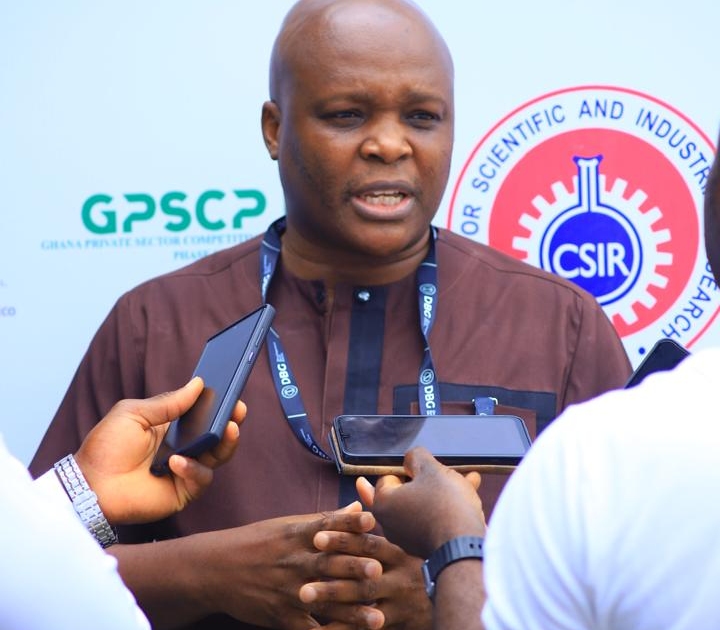
The Development Bank Ghana (DBG) is preparing a suite of customised financing instruments designed specifically for actors across the nation's oil palm sector, signalling a major push to unlock investment in an industry poised for significant growth and job creation.
In remarks at a national oil palm multi-stakeholder roundtable in Accra, DBG Chief Executive Officer Professor Randolph Nsor-Ambala emphasised that the bank has abandoned the notion of a "one-size-fits-all" approach to lending. Instead, it is collaborating with 21 participating financial institutions—both universal and rural banks—to create financial products that respond to the unique challenges and opportunities across different segments of the oil palm value chain.
"The current financial intermediation ecosystem is not sufficiently equipped to carry the risk and appraise projects within the oil palm value chain properly," Prof. Nsor-Ambala told media. The bank is now working to build the capacity of these 21 institutions so they can properly evaluate and support oil palm projects when disbursements begin.
Why it matters for Ghana
Ghana's oil palm sector represents a critical economic opportunity. The industry employs thousands across farming, processing, and trading, while contributing significantly to export revenue and rural livelihoods. However, farmers and small-scale processors have historically struggled to access adequate financing due to the sector's long production cycles—oil palms require five to seven years to mature—and the complexity of appraising agricultural investments.
The DBG's initiative comes as government has committed substantial resources to the sector. A $500 million facility was earmarked in the 2026 budget to support oil palm development, with financing agreements currently being finalised with the World Bank ahead of parliamentary approval. Prof. Nsor-Ambala indicated that this funding would be deployed strategically to encourage private sector participation and growth.
However, the scale of need is considerable. The DBG estimates that achieving expected impact in the oil palm sector will require over $1 billion in total investment. This means the $500 million facility, whilst significant, must be used wisely to leverage additional private investment.
Multiple solutions for diverse stakeholders
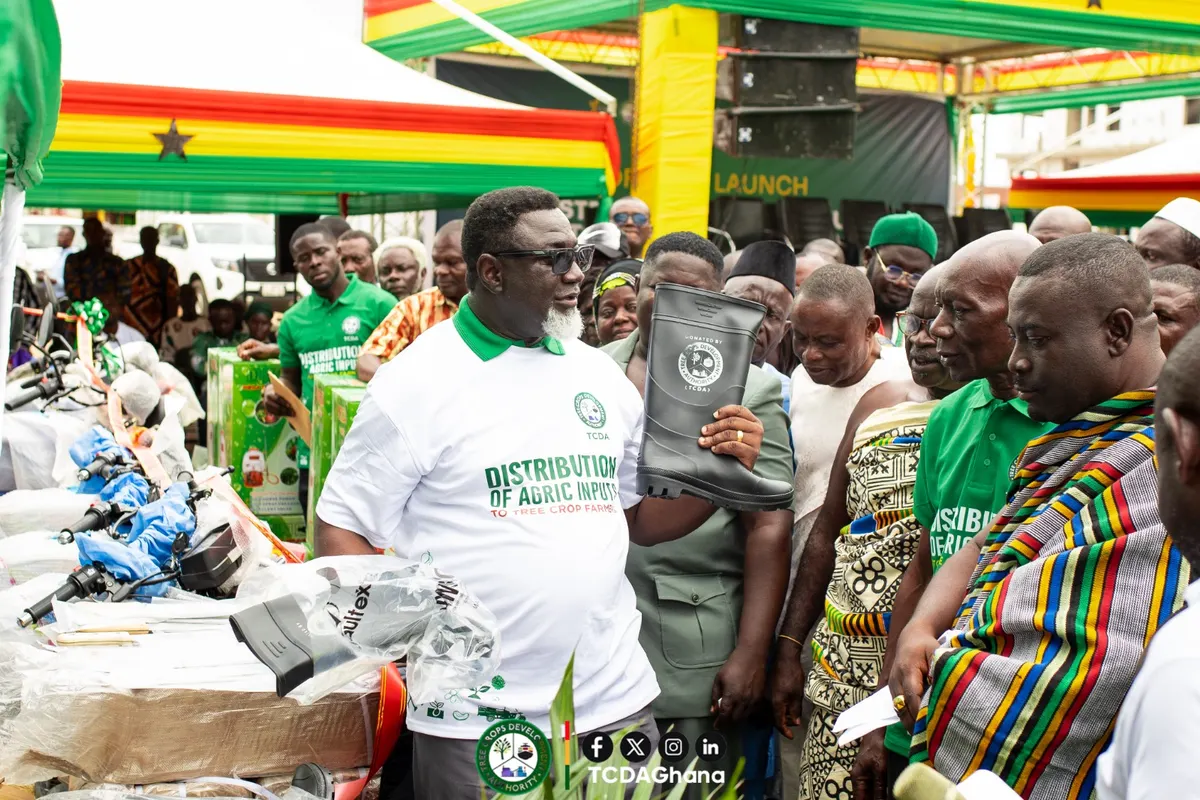
The roundtable, organised by the Tree Crop Development Authority (TCDA) under the theme "From policy to practice: The role of TCDA in resetting Ghana's oil palm industry," brought together farmers, processors, traders, exporters, and financial institutions to discuss scaling the sector.
The diversity of actors in the oil palm value chain—from smallholder farmers to large processors and exporters—means that financing needs vary widely. A young farmer establishing a plantation requires different support than an established processor seeking to upgrade equipment or an exporter looking to expand market access.
Prof. Nsor-Ambala stressed that the DBG recognises the interconnectedness of these actors. "The interrelatedness of the various actors in the value chain is very obvious," he noted, explaining why the bank is designing multiple financial products rather than a single instrument.
The bank's role, he added, is to catalyse private sector participation in the broader economic transformation agenda that a thriving oil palm industry could trigger. This requires not only creating appropriate financing tools but also building the technical capacity of participating banks to evaluate oil palm projects effectively and manage associated risks on their balance sheets.
The move reflects a growing recognition within Ghana's financial and policy circles that unlocking agricultural value chains requires tailored, sophisticated financing solutions that understand sector-specific dynamics and the needs of different market actors.
Source: MyJoyOnline

-1200x800.webp)

Comments (0)
Be the first to comment.