Democracy is not a gift to inherit—Ghana's youth must strengthen it, says Ibn Chambas
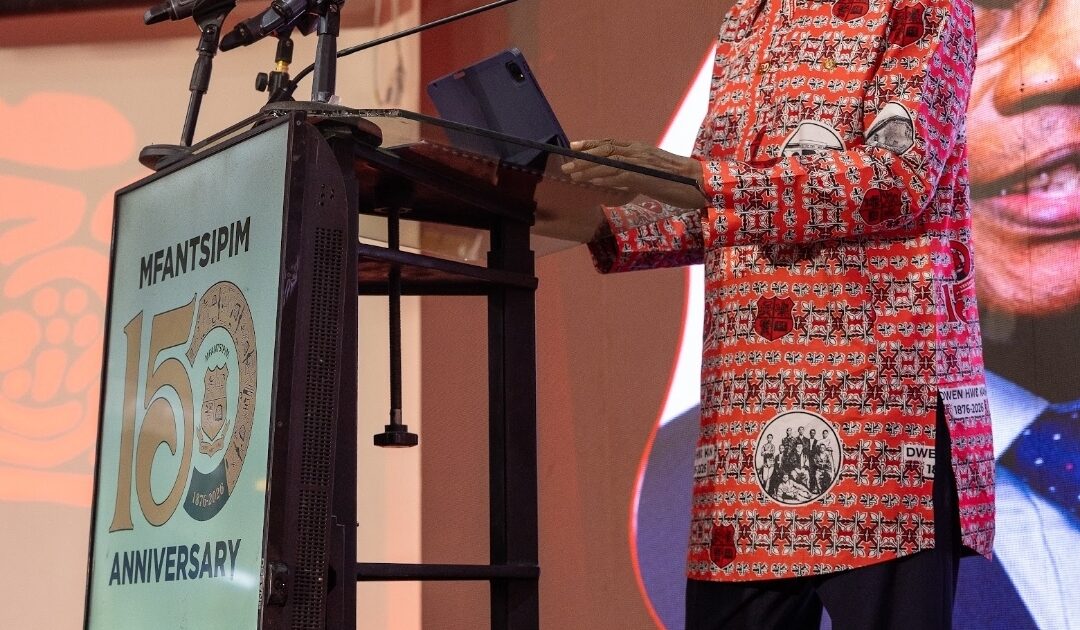
Dr Mohamed Ibn Chambas, the former African Union High Representative for Silencing the Guns, has delivered a stark message to Ghana: the country's democratic future rests not on institutions alone, but on generations of young people actively committed to defending and improving the system.
Speaking at the Mfantsipim Sesquicentennial Lecture in Accra on Wednesday, Dr Chambas stressed that Ghana cannot sustain democracy through constitutional provisions or state structures without citizens who embrace responsibility, justice and truth. His remarks underscore a critical challenge facing the nation as it navigates democratic consolidation—the risk that younger generations may take freedoms for granted rather than actively work to preserve them.
Beyond institutions: what democracy really needs
While courts, electoral commissions and constitutional frameworks remain essential, Dr Chambas argued they function effectively only when supported by citizens guided by integrity, accountability and respect for the rule of law. This distinction is vital for Ghana. The country has developed relatively robust democratic institutions over three decades, yet challenges including low civic participation, election-related tensions and concerns about public accountability persist.
Dr Chambas called for a fundamental shift in how Ghana prepares its youth. Rather than treating democracy as an inherited right to enjoy, he urged educational institutions to equip young people to actively defend and consolidate democratic values. He emphasised that responsible citizenship means placing national development above personal interest and using knowledge and talents to promote inclusive growth and social justice.
"We must prepare young people not merely to inherit democracy, but to improve and consolidate it; not merely to enjoy freedom, but to defend it; not merely to pursue personal success, but to dedicate their talents to harnessing the tremendous resources of the country for the benefit of all without leaving anyone behind," he stated.
Why this matters for Ghana
Ghana's status as a democratic beacon in West Africa comes with responsibility but also vulnerability. While the country has held successive competitive elections and maintained constitutional governance, youth engagement in civic life remains inconsistent. Voter turnout among young Ghanaians has been concerning in recent elections, and political discourse often reflects polarisation rather than commitment to shared democratic principles.
Ibn Chambas's message arrives at a moment when Ghana must think strategically about intergenerational transfer of democratic values. With rapid social change, urbanisation and the influence of digital platforms, traditional avenues for civic education—family, community and formal schooling—face competition. Without deliberate, values-based education grounded in justice, tolerance and patriotism, young Ghanaians risk inheriting democratic structures without understanding their fragility or their responsibility to sustain them.
Educational institutions carry particular weight in this challenge. Dr Chambas emphasised that schools must produce graduates who are not only academically accomplished but also ethically grounded and committed to public service. For Ghana, this suggests that curriculum reform and school leadership must prioritise civic values alongside academic subjects.
The Mfantsipim legacy and the path forward
Dr Chambas's choice of venue—the prestigious Mfantsipim School—underscores his point. The institution has historically produced leaders across government, academia and the professions. He called on schools of similar calibre to continue embedding democratic ideals in their graduates, contributing leaders who serve Ghana, Africa and the wider world with distinction.
The challenge now is scaling this commitment beyond elite institutions to reach all of Ghana's young people. As the nation looks ahead, the message is clear: democracy is not self-sustaining. It requires each generation to actively choose to uphold it, understand its principles, and work to strengthen it. For Ghana, investing in values-based education and genuine youth engagement in civic life is not optional—it is essential to the nation's long-term democratic health.
Source: MyJoyOnline

Comments (0)
Be the first to comment.