Dangote Invests in Major Ethiopia-Djibouti Fuel Pipeline; What It Means for Regional Trade
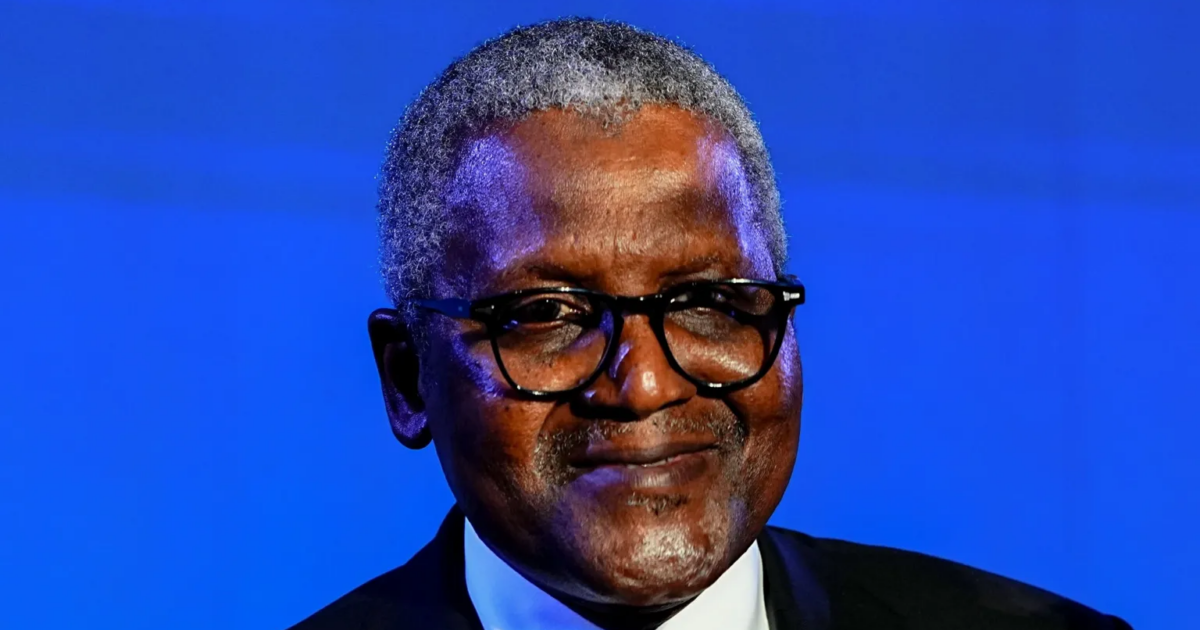
Africa's richest man, Nigerian billionaire Aliko Dangote, has committed substantial funding to a transformative infrastructure project that will reshape fuel distribution across the Horn of Africa. The $660m fuel pipeline, jointly developed with the Ethiopian government, represents a significant investment in regional energy security and trade efficiency.
The 120-kilometre pipeline will link Djibouti's Damerjog port directly to a distribution facility in Dewele, Ethiopia, cutting through one of Africa's most strategically important trade corridors. The project includes substantial storage capacity of approximately 400 million litres and is expected to become operational within 18 months. The first phase will handle critical petroleum products including jet fuel, diesel and petrol.
A Game-Changer for Ethiopia's Supply Chain
For landlocked Ethiopia, this infrastructure represents a significant breakthrough. Currently, transporting fuel from Djibouti's port to Addis Ababa takes approximately five days through conventional logistics networks. The pipeline will compress this timeline to just one day, fundamentally accelerating supply chains across multiple sectors. Ethiopian Prime Minister Abiy Ahmed highlighted at the groundbreaking ceremony that the project will strengthen national energy security and create a more resilient fuel supply network.
Beyond fuel transport, the pipeline will ease pressure on existing infrastructure supporting Ethiopia's critical industries—transport, aviation, agriculture and construction all depend on steady fuel supplies. Djibouti stands to gain as well, with increased port activity, job creation and enhanced government revenues flowing from the expanded trade facilitation.
Why It Matters for Ghana and Regional Integration
This development carries significance for Ghana and the broader West African and continental landscape. Dangote's expansion of manufacturing and infrastructure across Africa signals how private capital from the continent is increasingly driving cross-border integration. His existing operations span cement production (55 million tonnes annually) and Nigeria's oil refinery sector, where his facility currently processes 700,000 barrels daily with plans to double capacity. He is also developing a major 700,000-barrel-a-day refinery in Kenya.
For Ghana specifically, the pipeline underscores a strategic reality: infrastructure investments that improve regional trade efficiency create competitive pressure and opportunities. As Ethiopia gains faster access to fuel and reduced logistics costs, neighbouring nations—including those in West Africa—must consider similar infrastructure upgrades to remain competitive in regional supply chains. The project also demonstrates how African entrepreneurs are channelling wealth into productive infrastructure rather than purely extractive ventures, a model that could inspire similar regional initiatives.
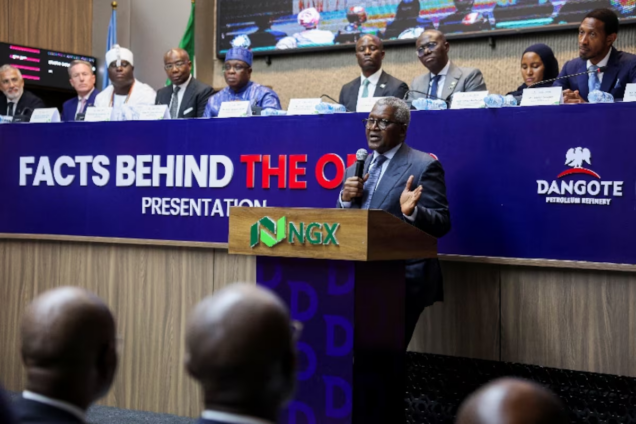
Dangote's recent decision to list 4.1 billion shares on the Nigerian stock exchange, raising approximately $1.63bn, further reinforces his strategy of expanding continental infrastructure and manufacturing capacity. These moves position him as a driving force in Africa's industrial transformation.
The Broader Context
The Ethiopia-Djibouti pipeline is emblematic of broader trends reshaping African trade architecture. As the continent increasingly prioritises intra-African commerce under the African Continental Free Trade Area (AfCFTA), infrastructure projects that reduce transport time and costs become critical enablers. This pipeline eliminates a major logistical bottleneck for one of Africa's largest economies, potentially catalysing increased trade with neighbouring countries and positioning the Horn of Africa as a more efficient distribution hub.
Source: MyJoyOnline



Comments (0)
Be the first to comment.