CEMSE Urges PURC to Follow NPA's Lead on Pricing Transparency Amid Tariff Hike Backlash
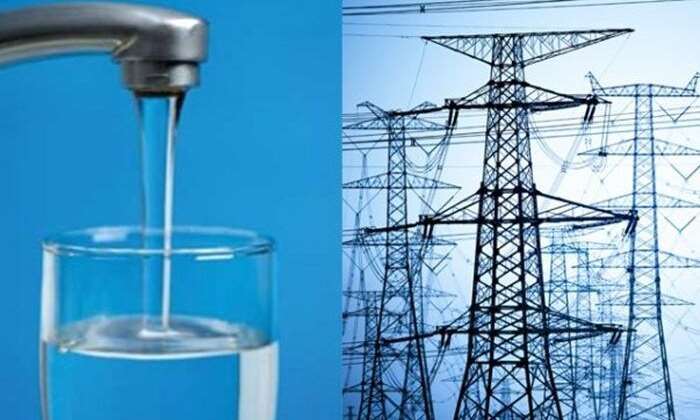
The Centre for Energy, Minerals and Sustainable Development (CEMSE) has urged Ghana's Public Utilities Regulatory Commission (PURC) to overhaul its tariff-setting approach and adopt the kind of detailed pricing transparency already practised by the National Petroleum Authority (NPA). The call comes in the wake of fresh utility tariff increases that have drawn sharp public criticism.
PURC announced on 22nd June 2026 that electricity tariffs would rise by 3.49 per cent and water tariffs by 0.85 per cent, effective 1st July 2026, citing shifts in inflation, exchange rates, the electricity generation mix and natural gas costs as the basis for the quarterly adjustments. However, CEMSE argues that the Commission's failure to publish the specific weightings assigned to each of these variables makes it virtually impossible for consumers and independent analysts to verify whether the increases are genuinely justified.
In a statement issued on 28th June, the energy policy think tank pointed to the NPA as a model worth emulating. The NPA publishes comprehensive Petroleum Products Pricing Guidelines that set out exact benchmarks, conversion factors, Free on Board (FOB) averaging periods, applicable exchange rates and ex-pump prices — enabling anyone to independently cross-check fuel price movements. CEMSE described this as a "commendable standard" that PURC has so far failed to match.
Parliamentary Minority Adds to the Pressure
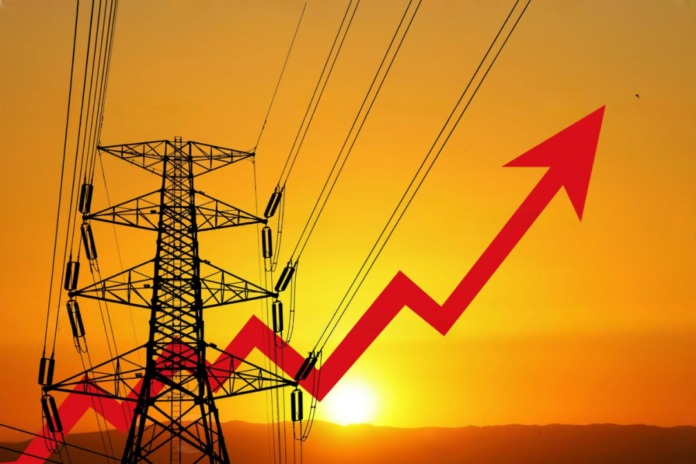
CEMSE's intervention comes alongside criticism from the Minority in Parliament, which contends that electricity tariff increases since the current administration took office have cumulatively reached 26.82 per cent — a trajectory they say contradicts earlier government pledges to reduce the cost of living for ordinary Ghanaians.
The think tank is specifically calling on PURC to publish a full weighting framework for every macroeconomic and technical indicator it uses in tariff calculations, including inflation, exchange rate movements and the weighted average cost of gas (WACOG). CEMSE argues that such disclosures would anchor tariff decisions in objective, verifiable data rather than what it described as "opaque administrative discretion."
Beyond the immediate tariff cycle, CEMSE is pushing for transparency to be embedded permanently into PURC's regulatory framework through mandatory and consistent disclosure requirements. The think tank cautioned that without such reforms, the public may increasingly come to view PURC's decisions as serving the interests of utility companies and government rather than consumers. "Mandatory and consistent disclosures combined with self-regulatory frameworks can foster collective accountability and public benefit," the statement concluded.
Source: MyJoyOnline


Comments (0)
Be the first to comment.