Effia MP Demands ECG Revenue Reforms Before Any Further Tariff Hikes
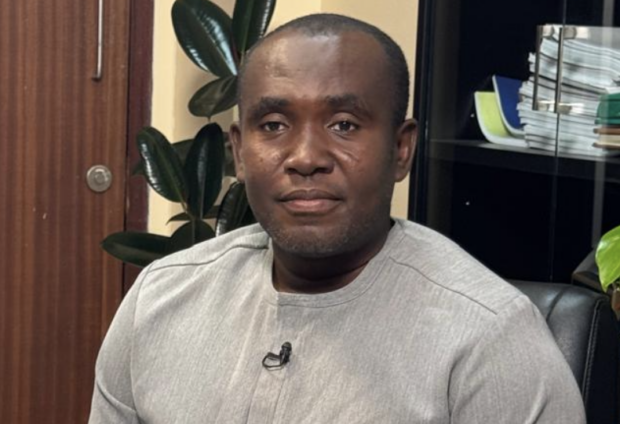
The Member of Parliament for Effia, Isaac Boamah-Nyarko, has urged the Public Utilities Regulatory Commission (PURC) and the government to prioritise fixing operational inefficiencies at the Electricity Company of Ghana (ECG) rather than continuing to push the burden of the company's failures onto ordinary consumers through repeated tariff adjustments.
Speaking over the weekend, the legislator argued that ECG's chronic inability to collect revenue from electricity it has already supplied lies at the heart of the utility sector's financial troubles. He maintained that resolving this fundamental problem would significantly reduce the pressure to raise tariffs every quarter.
"The end result is the Ghanaian consumer pays — quarterly tariffs are being adjusted. Cumulatively it is leading to significant increases in utility pricing. That is the issue," Boamah-Nyarko stated, warning that the situation is becoming increasingly unsustainable for many households across the country.
He acknowledged that broader macroeconomic pressures, including inflation and exchange rate volatility, do contribute to rising utility costs. However, he stressed that poor governance and structural inefficiencies within the energy sector are equally responsible, and that government must take ownership of addressing them. "If inflation or exchange rates are managed properly, we are not going to pay more," he added.
His comments come on the back of a fresh tariff announcement from the PURC. In a statement dated 22nd June, the Commission revealed that new electricity and water tariffs will take effect from 1st July 2026. Electricity consumers will see a 3.49% increase across all categories, whilst water tariffs will rise by 0.85%. The PURC said the adjustments are part of its routine quarterly review, which weighs factors such as inflation, foreign exchange movements, the generation fuel mix, and power production costs.
Key Background
- ECG has long struggled with commercial losses linked to power theft, unpaid bills, and metering gaps — challenges that analysts say inflate the cost of electricity supply and fuel calls for tariff reviews.
- Consumer advocacy groups have repeatedly warned that frequent tariff hikes disproportionately affect low-income Ghanaians and small businesses still recovering from the effects of the economic downturn.
- The PURC's quarterly review mechanism was introduced to ensure tariffs reflect real-time economic conditions, but critics argue it has resulted in near-constant price increases with little corresponding improvement in service quality.
Source: The Ghana Report

Comments (0)
Be the first to comment.