
Canada-US Trade War Escalates: What Trump's 50% Tariffs Mean for Ghana's Trade Partners
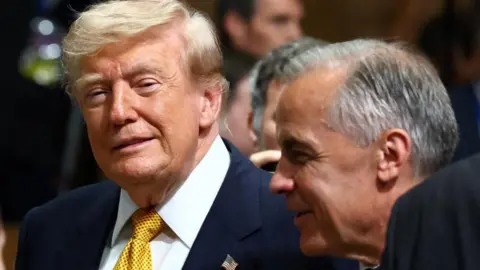

Tensions between the United States and Canada have reached a critical juncture as President Donald Trump announces a sweeping 50% tariff on a broad range of Canadian imports, citing what he characterises as unfair treatment of American cars, dairy products and alcohol. The tariffs, set to take effect within 30 days, target everyday consumer items including wine and hockey sticks alongside industrial goods such as cement, though key exports including energy, potash, critical minerals and fish have been exempted from the new duties.
Canadian Prime Minister Mark Carney has responded cautiously, stating that both leaders have agreed to intensify trade talks to ease tensions. However, Carney made clear that Canada reserves "all options" in crafting its response, signalling that retaliation could be forthcoming if negotiations fail. This marks the latest escalation in a trade dispute that has been simmering for over 18 months since Trump returned to office and launched a global tariff programme.
Understanding the Dispute
Trump's latest move follows a controversial US Supreme Court ruling earlier this year that declared many of his tariffs imposed under emergency powers were unlawfully enacted. The administration has since sought alternative legal pathways to enforce its tariff agenda, with the Canadian tariffs representing one such effort. Trump has consistently argued that the levies protect American manufacturing and jobs, though economists warn they risk raising consumer prices.
Canada's complaint centres on what Prime Minister Carney describes as "unilateral US trade actions in direct violation" of the USMCA (the North American free trade agreement binding Canada, the US and Mexico). The tariff dispute specifically targets three areas: automotive manufacturing, where Canada charges taxes on US motor vehicle imports not covered under USMCA; dairy products, where the US claims Canada has discriminated against American cheese producers; and alcohol, adding further friction to the relationship.
This is not Canada's first experience with Trump-era tariffs. The country previously retaliated in 2024 by imposing a 25% levy on roughly C$30 billion (£16 billion) in US goods, though Prime Minister Carney later reduced some of these counter-tariffs. Currently, multiple layers of existing tariffs already burden bilateral trade: the US maintains 15-50% duties on Canadian steel, aluminium and copper, along with a 35% tariff on Canadian softwood lumber and 25% taxes on non-US automotive parts.
Why It Matters for Ghana
For Ghana and West African nations, escalating North American trade friction carries significant implications. Canada and the United States remain among the world's largest trading blocs and key sources of foreign direct investment, technology and goods that flow through global supply chains. When tariff barriers rise between major economies, the ripple effects extend worldwide.
Ghana's own trade relationships with both nations could be indirectly affected. Ghanaian businesses relying on North American equipment, technology or raw materials may face higher input costs if tariffs drive up prices across supply chains. Additionally, should this dispute prompt broader global tariff escalation—as trade experts have speculated—Ghana could face pressure to raise its own protective measures, complicating its own trade strategy.
The broader principle at stake also matters: trade disputes between wealthy nations often reshape the rules that developing economies must navigate. Ghana, like many African countries, has benefited from relatively stable, rules-based global trade frameworks. Protectionist escalation undermines those frameworks, making it harder for smaller economies to compete fairly.
What Happens Next
Both nations appear committed to negotiation, but the coming 30 days will be crucial. Ontario Premier Doug Ford has already called for Canada to respond "tariff for tariff, dollar for dollar" should the US proceed, suggesting domestic political pressure for a tough response. Meanwhile, US Trade Representative Jamieson Greer indicated that broader tariff announcements targeting other countries are expected soon, hinting that this Canadian dispute may be merely one front in a wider trade offensive.
For observers in Ghana and across Africa, the outcome of these talks will signal whether Trump's administration intends sustained protectionism or whether cooler heads can prevail. Either outcome carries consequences for developing nations seeking predictable access to global markets.
Source: MyJoyOnline



Comments (0)
Be the first to comment.