Can Ghana's Gold Reserves Break the IMF Bailout Cycle? Examining the Bawumia Doctrine

Ghana's recurring need for International Monetary Fund support has long been a thorny issue for policymakers and economists alike. Now, a fresh perspective on the nation's economic challenges has emerged, suggesting that the country's considerable gold reserves could serve as the foundation for a more independent and stable financial future.
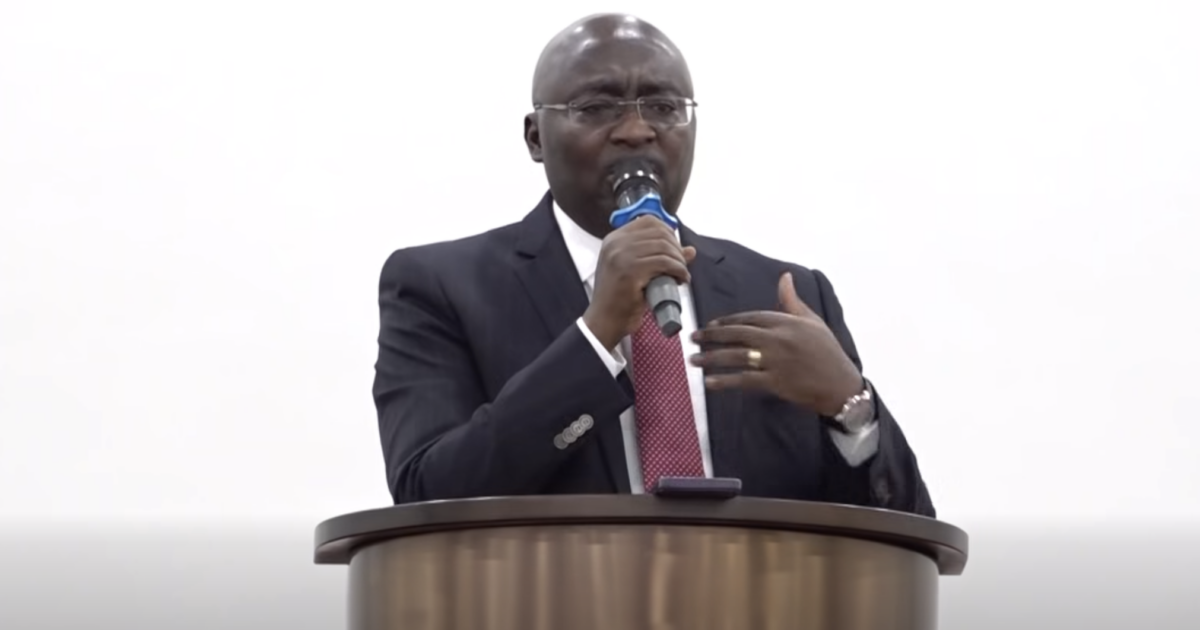
The proposal, termed "The Bawumia Doctrine of Gold-Backed Stability," centres on leveraging Ghana's position as one of Africa's leading gold producers to create a more resilient economic framework. Proponents argue this approach could help the country break free from the pattern of recurring IMF bailout programmes that have characterised Ghana's economic management over the past two decades.
The Gold-Backed Approach Explained
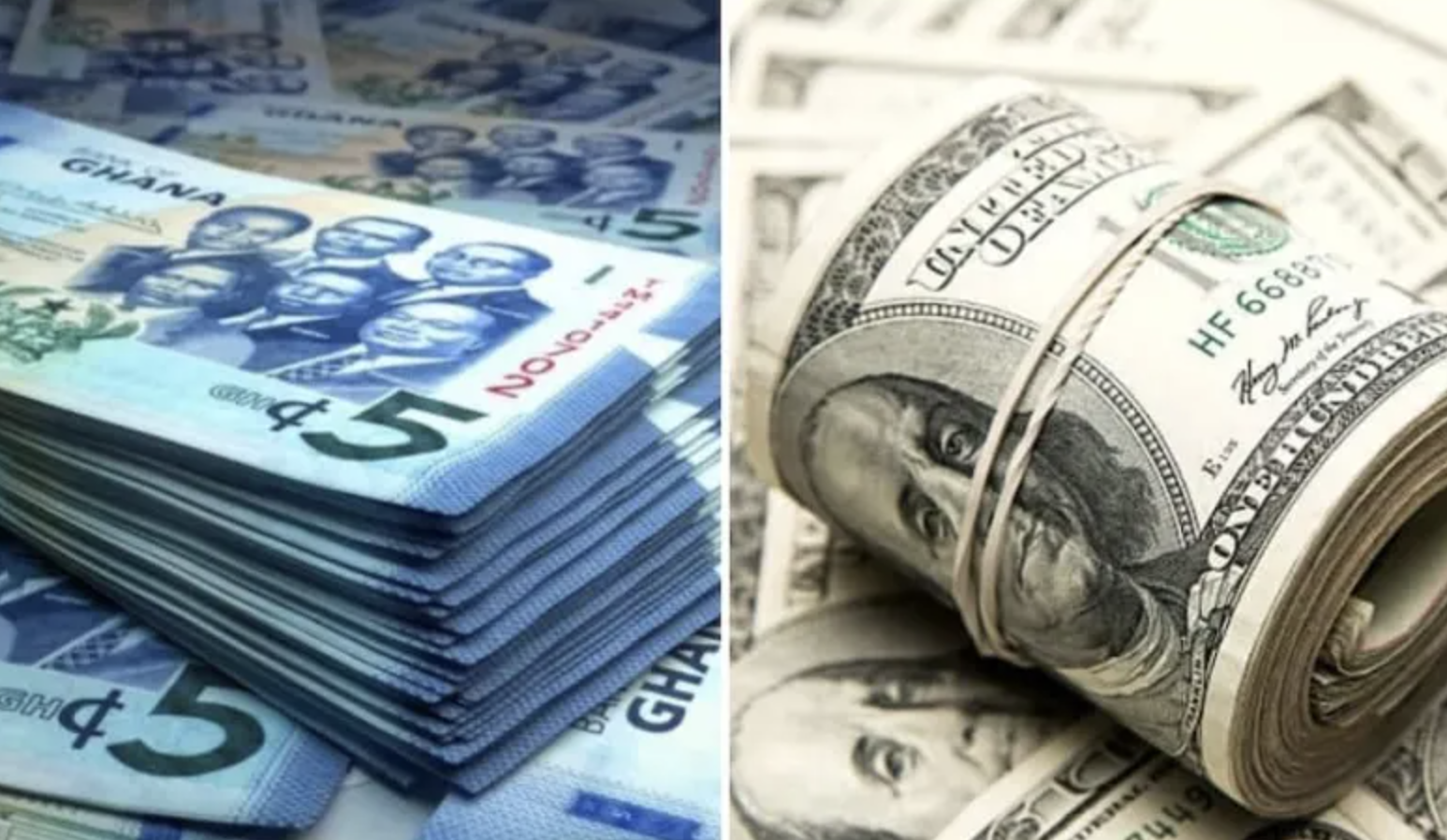
The doctrine proposes using Ghana's gold reserves—both those currently held and future production—as backing for monetary policy and currency stability. The core argument is straightforward: by formally linking the value of the Ghanaian cedi to tangible gold assets, the currency would gain credibility in international markets and reduce pressure on foreign exchange reserves. This, theoretically, would allow Ghana to pursue more independent fiscal and monetary policies without rushing into IMF programmes whenever external shocks occur.
The concept is not entirely new in global economic history. Several nations have experimented with gold-backed currencies or partial backing systems, though most abandoned such arrangements during the 20th century. However, advocates of this doctrine argue that Ghana's specific circumstances—substantial gold production, persistent currency weakness, and repeated IMF dependencies—make a modern application worth serious consideration.
Under this framework, Ghana's central bank would theoretically have greater confidence in managing the cedi's value without foreign support. International investors, knowing Ghana's currency had tangible gold backing, might also be more willing to hold cedis and invest in Ghanaian assets, reducing the need for expensive external borrowing.
Why This Matters for Ghana
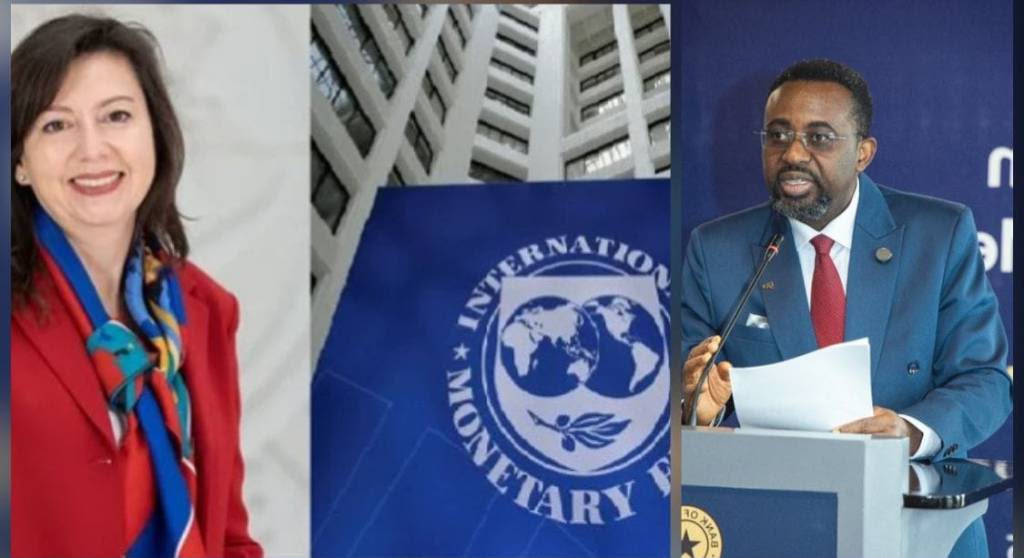
Ghana has entered IMF programmes multiple times since 1966, most recently in 2023 as part of a three-year arrangement. Each bailout comes with conditions that constrain government spending, require revenue increases, and often involve politically difficult decisions on subsidies and public sector wages. The cycle reflects deeper structural challenges: persistent budget deficits, debt accumulation, and vulnerability to global commodity price shocks.
A gold-backed approach would, in theory, address some of these vulnerabilities. By stabilising the cedi, Ghana would face lower import costs and reduced inflation, making life easier for ordinary Ghanaians. Businesses would have more certainty for long-term planning. And the government would have more fiscal breathing room, reducing the desperate need for IMF rescue packages whenever external pressures mount.
However, the proposal also faces significant practical challenges. Gold-backed systems require strict monetary discipline and limit the flexibility governments need during economic crises. Additionally, international monetary institutions and trading partners may be reluctant to accept a major shift away from the current fiat currency system. Questions also remain about how such a system would be implemented administratively and how it would interact with Ghana's obligations to regional monetary union targets within ECOWAS.
The Broader Economic Debate
This proposal sits within a wider conversation about Ghana's economic sovereignty and long-term development strategy. Supporters argue it represents bold thinking about using national resources more strategically. Critics may contend that structural economic problems—inefficient tax collection, bloated public sectors, and weak institutions—cannot be solved by monetary innovation alone.
As Ghana navigates its current IMF programme and looks toward 2026 and beyond, policymakers will need to weigh such ideas carefully against evidence from economic history and the realities of global finance.
Source: 3News

Comments (0)
Be the first to comment.