
Budget 2025: GH¢685m Set Aside to Finally Complete Kejetia Market Phase II as Government Pledges Billions for Local Governance
-738x414.webp)

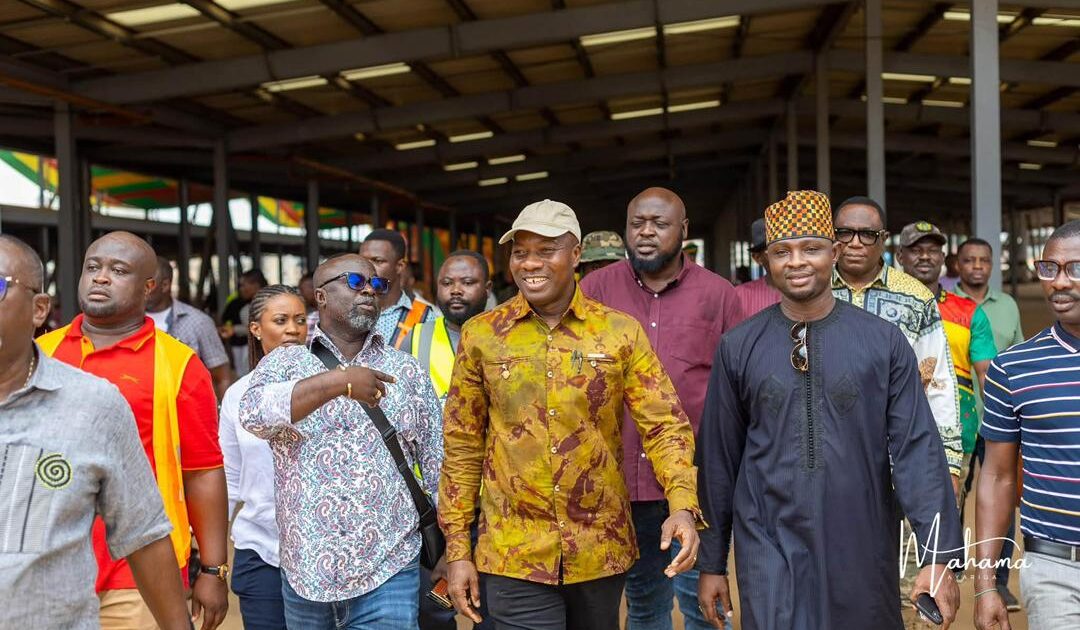
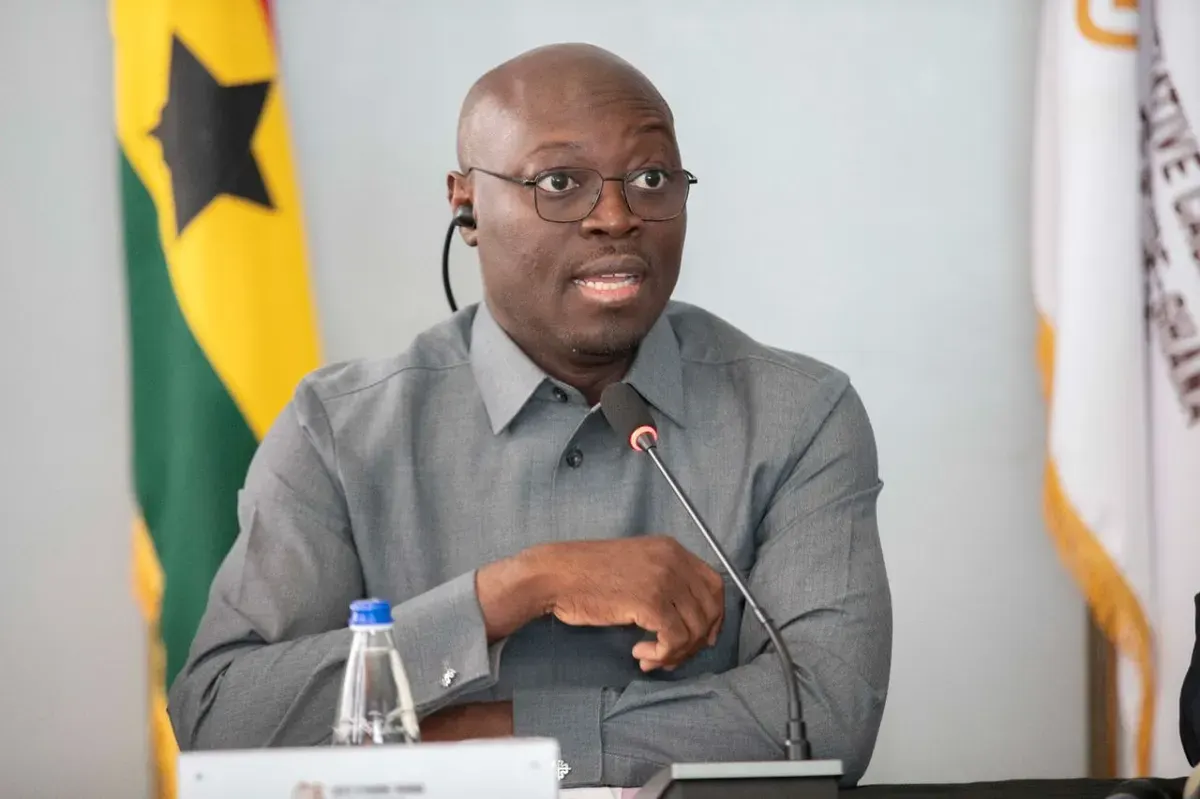
Ghana's government has earmarked GH¢685 million to bring the stalled Kejetia Market Phase II project in Kumasi to completion, in a budget allocation that also sets aside GH¢17.6 billion for local governance, chieftaincy and religious affairs across the country. The Finance Minister delivered the figures to Parliament, signalling a renewed commitment to infrastructure development and grassroots administration.
Kejetia Phase II: A Project Long in the Making
The Kejetia redevelopment project has been one of Ghana's most high-profile infrastructure undertakings in recent years. Phase I of the project transformed the Kumasi Central Market area into a modern commercial hub, widely regarded as one of the largest markets in West Africa upon its completion. However, Phase II — which was intended to extend and complement that development — has faced repeated delays, leaving traders, residents and city planners in a prolonged state of uncertainty.
The GH¢685 million allocation is therefore being welcomed as a critical step towards delivering on a promise that successive administrations have struggled to fulfil. When completed, Phase II is expected to significantly expand trading capacity in Kumasi, create jobs, and improve the overall commercial environment in the Ashanti Regional capital — a city that serves as a major economic engine for Ghana.
What This Means for Ghana's Local Governance
Beyond Kejetia, the broader allocation of GH¢17.6 billion to local governance, chieftaincy and religious affairs is among the more substantial figures in the budget dedicated to community-level administration. The Finance Minister indicated that these funds are intended to support local administration and community services — a signal that the government is prioritising decentralisation and ensuring that districts across Ghana have adequate resources to function effectively.
Ghana's local government structure, built around Metropolitan, Municipal and District Assemblies (MMDAs), has long been criticised for being underfunded relative to the responsibilities these bodies are expected to carry. If disbursed effectively, the GH¢17.6 billion allocation could help bridge that funding gap, enabling assemblies to deliver essential services ranging from sanitation and road maintenance to community health initiatives.
The inclusion of chieftaincy and religious affairs within this allocation also reflects the government's recognition of the role that traditional and faith-based institutions play in Ghanaian society — particularly at the community level, where chiefs and religious leaders often serve as the first point of contact for dispute resolution and local development coordination.
Broader Implications and Public Expectations
Allocations of this scale naturally invite scrutiny. Ghanaians are well aware that budget figures do not always translate into timely project delivery or efficient use of public funds. The Kejetia Phase II project itself is a case in point — funds and timelines have previously been announced without producing the expected results on the ground.
Civil society groups and market traders in Kumasi are likely to watch implementation closely, particularly given the economic significance of the market to hundreds of thousands of traders and their families. For the broader local governance allocation, accountability mechanisms will be key — citizens and watchdog organisations will want assurances that the billions earmarked reach the communities they are intended to serve.
As Ghana continues to navigate economic recovery following a difficult period of fiscal adjustment and an IMF-supported programme, targeted infrastructure investment and strengthened local governance could play an important role in stimulating growth from the ground up. The coming months will reveal whether these budget commitments move from paper to meaningful progress for ordinary Ghanaians.
Source: 3News

-800x450.webp)
Comments (0)
Be the first to comment.