Bribery surge in Ghana: 1 in 6 citizens paid bribes in second half of 2025, GSS reports
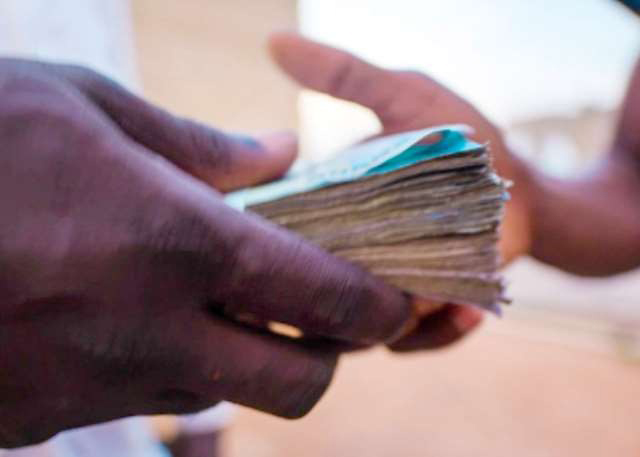
A comprehensive governance survey by the Ghana Statistical Service (GSS) has exposed a concerning deterioration in corruption levels, with bribery demands from public officials reaching alarming heights during the second half of 2025. The data paints a troubling picture of how Ghanaians' daily interactions with state institutions have been increasingly compromised by demands for unofficial payments.
The GSS findings, presented by Government Statistician Dr. Alhassan Iddrisu in August 2026, show that bribery incidents involving ordinary Ghanaians jumped dramatically. The proportion of citizens admitting to paying bribes rose from 14.3 percent in the first half of 2025 to 18 percent between July and December—meaning roughly one in six Ghanaians had to pay unofficial fees simply to access basic public services.
More striking is the source of the problem. The survey uncovered a significant shift in bribery dynamics: whilst 51 percent of respondents who encountered bribery were asked for extra payments in the first six months of 2025, this figure surged to 69 percent by year-end. This tells a critical story—public officials themselves are driving the corruption epidemic, actively demanding payments rather than citizens voluntarily offering them.
The mechanics of Ghana's bribery crisis
Dr. Iddrisu explained that the pressure is coming primarily from service providers at public institutions. Rather than isolated incidents, the data suggests a systemic problem where officials have become emboldened to demand bribes as an unofficial tax on essential services. This represents a troubling erosion of the social contract between citizens and the state.
The GSS survey employs a rigorous methodology to track these trends. By following the same nationally representative households across all 16 regions over consecutive six-month periods, the service can measure real changes in citizens' actual experiences rather than statistical noise from varying survey populations. The latest findings are based on interviews conducted in early 2026, capturing experiences from July–December 2025.
Why it matters for Ghana
This bribery surge carries serious implications for Ghana's development trajectory and democratic health. When one in six citizens must pay illegal fees to access public services—whether healthcare, education, licensing, or administrative documentation—it represents a hidden tax on the poorest and most vulnerable. Those unable or unwilling to pay bribes may be denied essential services entirely.
The trend also undermines government efforts to improve public service delivery and institutional integrity. Whilst Dr. Iddrisu noted that Ghana recorded overall improvements in broader governance indicators during 2025, the sharply worsening bribery experience contradicts these positive signals and suggests citizens' actual lived experience diverges significantly from headline governance metrics.
For policymakers and civil society, the data provides a clear diagnostic: the problem is not petty corruption but organised demand-side bribery. Public officials are not acting as isolated bad actors but appear to be operating within an institutional environment where such demands are tolerated or even normalised. This points to systemic failures in oversight, accountability, and institutional culture within Ghana's public sector.
The GSS's six-monthly governance monitoring framework is valuable because it allows Ghana to detect emerging trends quickly rather than waiting for annual reports. These findings should trigger urgent action by relevant anticorruption agencies, including the Office of the Special Prosecutor and the Civil Service, to investigate which sectors and institutions are driving the bribery increase and to implement targeted interventions.
Citizens' trust in public institutions depends fundamentally on fair access to services without hidden costs. Until Ghana's government demonstrates commitment to tackling demand-side corruption at its source, the gap between stated governance improvements and ground-level reality will continue to widen.
Source: The Ghana Report

.jpg)


Comments (0)
Be the first to comment.