
Brazil's Lula Wins Historic Fourth Term; What It Means for West Africa and the Global South
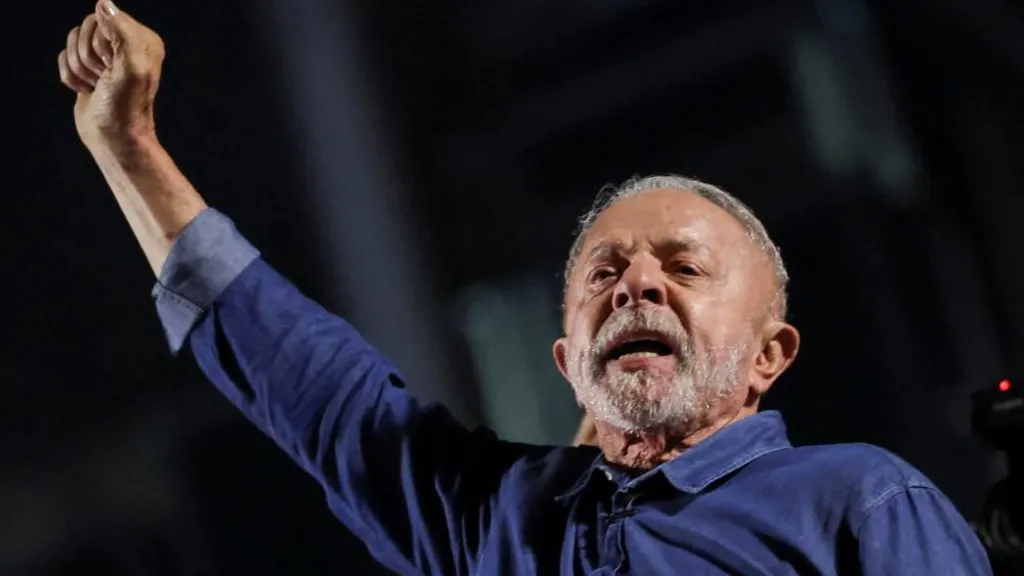

Brazil's President Luiz Inácio Lula da Silva has secured an unexpected fourth term in office, winning 51.79% of votes in a runoff election that defied initial predictions and reinforces the resurgence of left-wing leadership across the Americas. His rival, Flávio Bolsonaro—son of imprisoned former president Jair Bolsonaro—has refused to concede, but the 4.4-million-vote margin makes a successful challenge highly unlikely.
Lula's victory is particularly significant because he is the first Brazilian president since the nation's return to civilian rule in 1985 to win re-election after losing the first round of voting. In October's first ballot, Flávio Bolsonaro led with 47% to Lula's 45%, but momentum swung decisively when the leftist campaign focused on boosting voter turnout. The second round saw the largest drop in abstention between two rounds of a presidential election since 1989, with millions of previously disengaged Brazilians returning to the polls.
The 80-year-old former metalworker declared victory as a triumph against "negativity and lies," pledging that his fourth term would be defined by listening to ordinary Brazilians. Yet his path forward is fraught with obstacles: a divided nation, a hostile Congress dominated by Bolsonaro allies, and an opponent unwilling to accept the democratic result.
Why This Matters for Ghana and Africa
Lula's victory carries profound implications for Ghana and the broader African continent. Brazil is a key partner within the BRICS coalition—a bloc that increasingly shapes global economic and political dynamics independent of traditional Western institutions. Lula has consistently championed South-South cooperation, positioning Brazil as a champion of developing nations' interests in international forums.
For Ghana specifically, a Lula government strengthens the progressive political voice in Latin America that aligns with African nations on issues including climate finance, debt relief, and resistance to neo-colonial economic arrangements. Brazil's influence within BRICS, ECOWAS-aligned forums, and multilateral institutions directly affects how African interests are represented on the world stage. The resurgence of left-wing leadership across the region—from Mexico to Argentina—signals a retreat from the austerity policies that have historically constrained African development financing.
Additionally, Lula's emphasis on listening to ordinary citizens and rebuilding democratic institutions after polarisation resonates with Ghana's own recent experiences navigating democratic tensions and the need to rebuild public trust in institutions.
Market Turbulence and International Reactions
Lula's unexpected victory triggered immediate market volatility. São Paulo's stock exchange plunged 15% on opening before recovering slightly, while interest rate futures spiked as investors reassessed Lula's fiscal policies. These reactions underscored investor concerns about the economic direction under renewed leftist leadership.
Internationally, responses split along ideological lines. US President Donald Trump suggested—without evidence—that the election had been "rigged," claiming it "looked very bad." By contrast, leaders across the political spectrum congratulated Lula: Mexico's Claudia Sheinbaum hailed "the people of Brazil," while Peru's Keiko Fujimori praised Brazil's "democratic day." South African President Cyril Ramaphosa characterised the victory as a win for "the global south and progressive forces," a framing that underscores how Lula's return is viewed as a broader realignment of global power.
The Challenge Ahead
Flávio Bolsonaro's refusal to recognise the result mirrors his father's rejection of defeat in 2022. The younger Bolsonaro claimed that Supreme Court Justice Cristiano Zanin—formerly Lula's lawyer—showed bias by extending voting hours by two hours nationwide. However, both campaigns had requested the extension: Lula's team cited transportation challenges in São Paulo and Bahia, while Bolsonaro's campaign pointed to rain in southern regions. The Supreme Electoral Court president, ironically appointed by Jair Bolsonaro, confirmed Lula's victory and stated the time extension did not alter the outcome.
With nearly 82 million votes cast and a commanding margin of victory, Lula enters his fourth term with a democratic mandate—but governing a fractured nation will test his pledge to prioritise dialogue and inclusion. His ability to deliver economic stability while pursuing progressive social policies will define not only Brazil's trajectory but also its influence over the developing world.
Source: MyJoyOnline

-1200x1472.webp)
Comments (0)
Be the first to comment.