Bagré Dam spillage alert: Northern Ghana braces for controlled water release

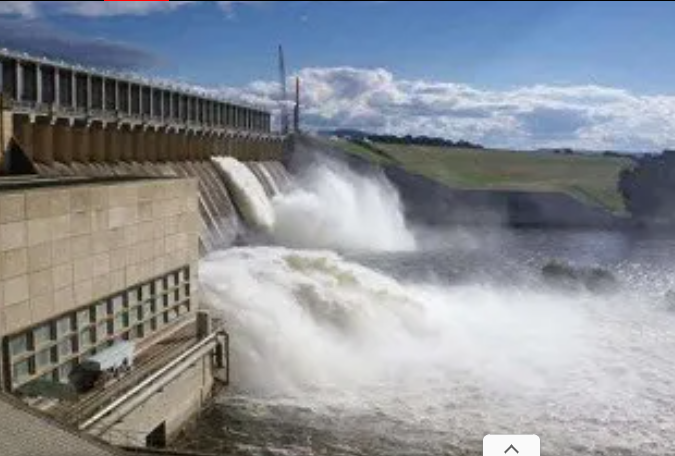
The Water Resources Commission (WRC) has issued an urgent alert to residents and authorities in northern Ghana, warning that controlled spillage from Burkina Faso's Bagré Dam could commence from Tuesday, August 11, 2026, if current water level trends persist.
The notification marks a critical moment for communities dependent on the White Volta River, which flows through Ghana's Upper East and Upper West regions. The WRC's early warning underscores the importance of preparedness as the West African rainy season intensifies, with water levels in the massive transboundary dam rising to operational limits.
What communities need to know
Residents living along the White Volta River corridor and adjacent settlements are being urged to prepare for potential flooding or water level changes once spillage begins. The controlled release is a standard operational measure to prevent dam overtopping, but it can cause significant fluctuations in downstream water levels.
Authorities have advised communities to:
- Monitor official WRC updates and local radio announcements regularly
- Move livestock and valuables away from low-lying areas near the river
- Prepare emergency evacuation plans, particularly for settlements in flood-prone zones
- Maintain communication with local government and disaster management offices
Why this matters for Ghana
The Bagré Dam sits in Burkina Faso but profoundly affects Ghana's water security and disaster risk management. The White Volta is a crucial water source for irrigation, fishing, and domestic use across Ghana's northern regions. Uncontrolled or poorly managed spillage can damage agriculture, destroy bridges, displace populations, and contaminate water supplies.
Ghana and Burkina Faso share responsibility for managing transboundary water resources through regional frameworks. The WRC's proactive alert demonstrates Ghana's commitment to coordinating with upstream nations to minimise damage to Ghanaian communities. However, Ghana has limited direct control over Burkina Faso's dam operations, making early community preparation essential.
The spillage season typically occurs during or after the peak rainy months of August and September. With climate patterns becoming increasingly unpredictable, such warnings have become critical tools for disaster prevention in the Sahel region.
Historical context and preparedness
The Bagré Dam, completed in the 1990s, is one of Africa's largest hydraulic infrastructure projects. While it provides hydroelectric power and water storage benefits, its operations create annual spillage cycles that demand careful coordination with downstream riparian states.
Ghana's disaster management and water agencies encourage residents to use this alert period to reinforce early warning systems at the community level and to ensure that vulnerable populations—including the elderly and children—have access to emergency information and support networks.
The WRC will continue to update communities as water levels and spillage schedules develop. Residents are encouraged to contact local district assemblies or the WRC directly for real-time information and emergency preparedness guidance.
Source: 3News

.jpg)

Comments (0)
Be the first to comment.