Asantehene charges incoming KNUST leader with duty to transform lives, not just wield power
-1200x675.webp)
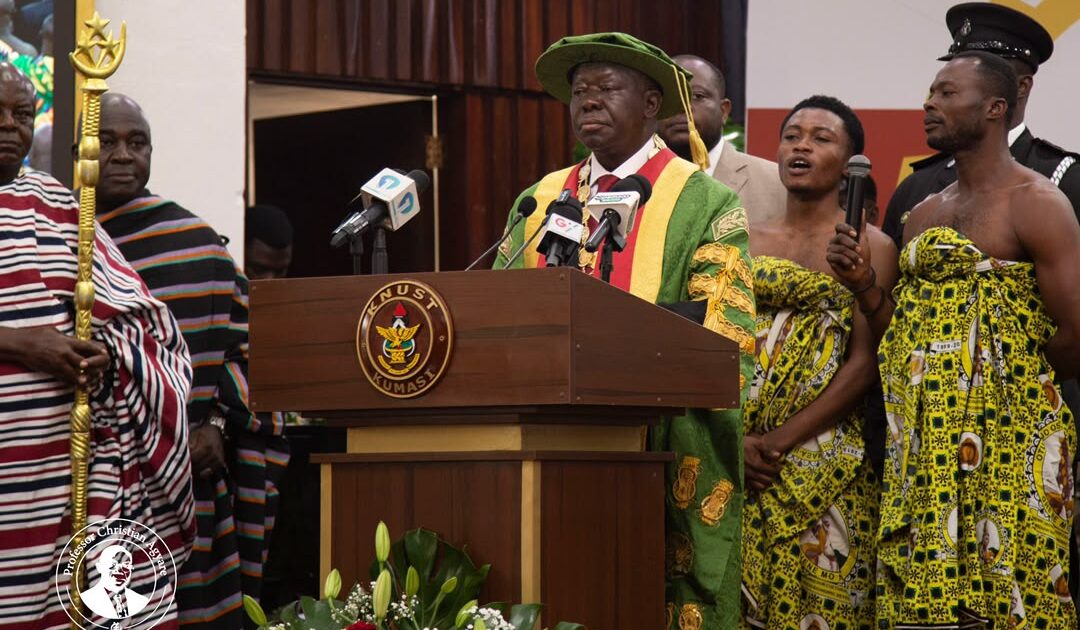
The Asantehene has called on the newly appointed Vice-Chancellor of the Kwame Nkrumah University of Science and Technology (KNUST) to prioritise integrity and meaningful transformation over the exercise of authority, setting a high moral tone for the institution's future direction.
In his charge to the incoming leader, the Asante monarch underscored that institutional leadership would ultimately be judged not by decisions made from the office, but by the tangible improvements experienced by those the university serves—its staff, student body, and the broader nation.
A call for values-driven leadership
The Asantehene's message reflects growing emphasis within Ghana's academic circles on ethical stewardship at tertiary institutions. Universities across the country face persistent challenges including infrastructure deficits, staff welfare concerns, and student grievances over accommodation and academic quality. The royal endorsement signals expectations that KNUST's new leadership will address these systemic issues with integrity rather than administrative grandstanding.
This appeal to principled governance comes amid broader national conversations about institutional accountability. Ghana's universities operate under significant pressure to balance academic excellence, student satisfaction, and financial sustainability while navigating complex stakeholder interests.
KNUST's significance for Ghana's development
KNUST holds particular importance within Ghana's higher education ecosystem. As the nation's leading technical and science-focused university, it plays a crucial role in producing engineers, scientists, and skilled professionals essential to Ghana's industrialisation agenda and technological advancement. The institution's performance directly influences Ghana's ability to compete regionally and build local capacity across critical sectors.
The university has historically been a training ground for some of Ghana's most influential professionals and policymakers. Leadership decisions made at KNUST therefore ripple through the nation's workforce and innovation landscape for decades.
What this means for Ghana
The Asantehene's intervention underscores the expectation that KNUST's new Vice-Chancellor will serve as a steward of national development rather than merely an administrator. This framing aligns with traditional Ghanaian governance principles emphasising communal benefit and long-term thinking, values the Asante kingdom has historically championed.
For students and staff at KNUST, the message suggests renewed focus on their immediate needs and experiences. For Ghana's broader development agenda, it implies that the university's new leadership should prioritise initiatives that strengthen research output, industry partnerships, and graduate employability—outcomes that strengthen national competitiveness.
The royal endorsement also reflects stakeholder confidence in the appointment process and expectations that KNUST will maintain its standing as a beacon of academic rigour and institutional integrity. As Ghana continues investing in higher education as a driver of economic transformation, institutions like KNUST must deliver on their foundational mandate: preparing citizens equipped to solve the nation's most pressing challenges.
Source: 3News
-1200x800.webp)


Comments (0)
Be the first to comment.