Akwatia MP Defends Manhyia South Colleague's Police Encounter as 'Invitation,' Not Arrest
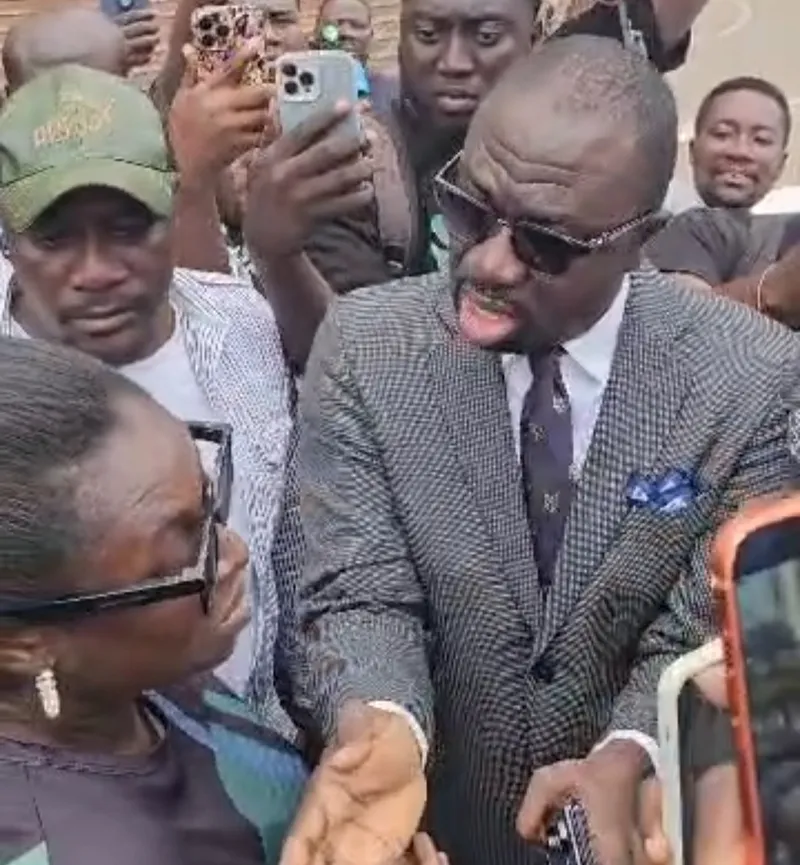
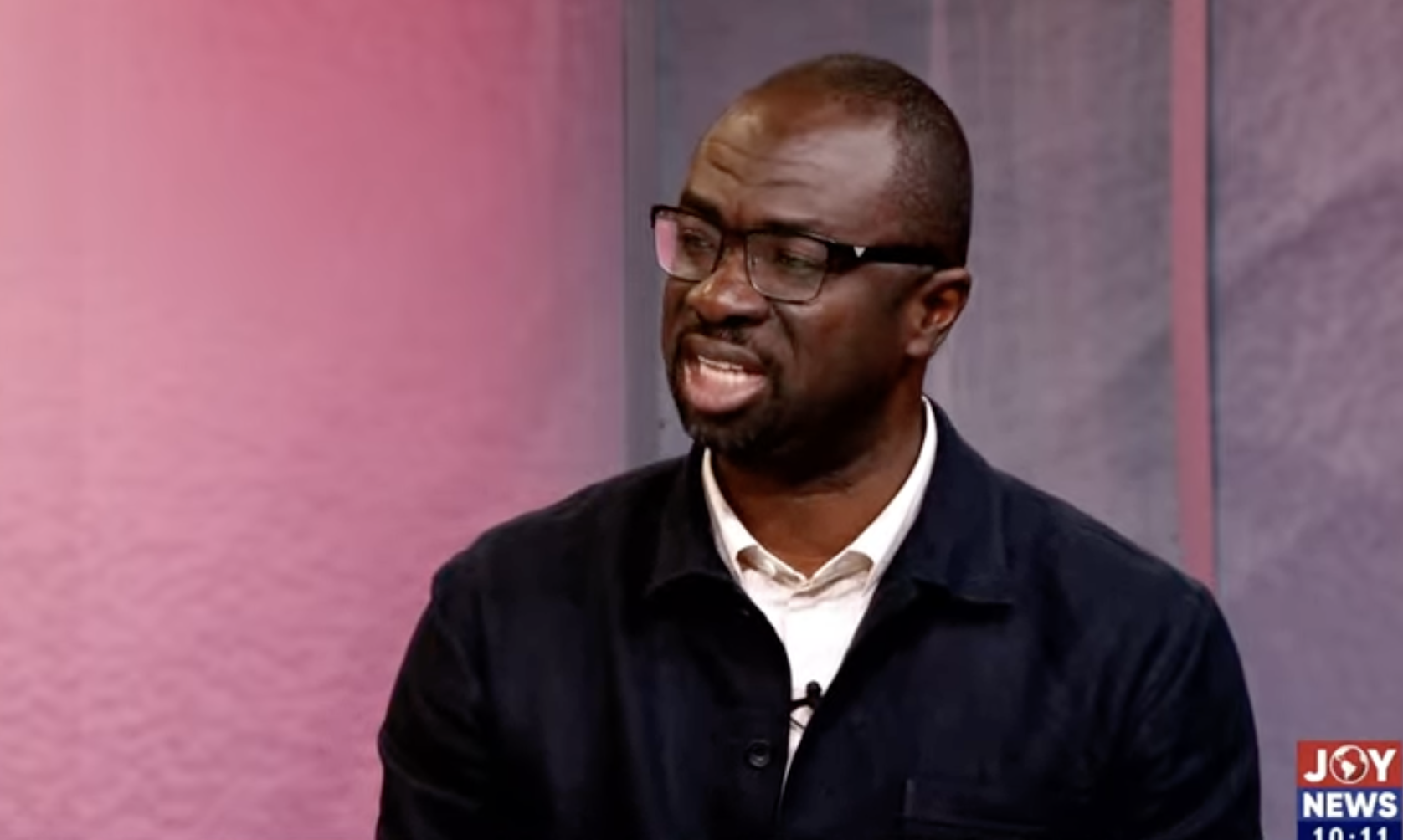
The Akwatia Member of Parliament has waded into controversy surrounding a recent police encounter involving the Manhyia South MP, insisting that what observers witnessed was not an arrest but rather an invitation for questioning. The clarification comes as the incident continues to generate debate among lawmakers and the public about the circumstances surrounding the encounter.
According to the Akwatia legislator, the nature of the interaction did not align with standard arrest procedures, suggesting instead that the Manhyia South MP was invited to assist with official investigations. This distinction carries legal and procedural significance in Ghana's justice system, where arrests and voluntary cooperation are treated as separate matters under law.
The Distinction Between Arrest and Invitation
In Ghana's legal framework, the difference between a formal arrest and a police invitation is substantial. An arrest typically involves formal notification of charges, reading of rights, and restrictive measures that limit a person's freedom of movement. An invitation, conversely, is a request for voluntary cooperation where an individual theoretically retains the right to decline or leave at any time.
The Akwatia MP's characterisation suggests that the Manhyia South MP went to the police station willingly to respond to questions or provide information related to an ongoing matter. This framing would imply a less adversarial interaction than a conventional arrest scenario.
Why it Matters for Ghana's Parliament and Democracy
Incidents involving lawmakers and law enforcement agencies attract heightened scrutiny in Ghana, particularly given concerns about the independence of institutions and fair treatment under the law. Parliamentary privilege and the conduct of MPs remain sensitive issues within Ghana's democratic space.
The public characterisation of such encounters—whether as arrests or invitations—carries implications for how citizens perceive government institutions and the rule of law. When MPs or their colleagues provide alternative explanations for police interactions, it can influence public confidence in both the legislative branch and law enforcement agencies.
Additionally, clarity about police procedures matters for Ghana's broader institutional credibility. Citizens expect transparent explanations when public officials interact with authorities, particularly in circumstances that appear coercive or controversial to observers.
Parliamentary Responses and Questions Ahead
The incident has prompted discussions within Parliament about how colleagues communicate regarding sensitive matters involving their peers. The Akwatia MP's intervention suggests an effort to shape the narrative and provide context that may not have been immediately apparent to the public.
As Ghana continues to strengthen its democratic institutions and judicial independence, interactions between law enforcement and elected officials remain subjects of public interest. Both clarity and transparency in such matters serve to reinforce institutional trust and ensure that procedures are conducted fairly and within established legal guidelines.
The outcome of the matter involving the Manhyia South MP may contribute to broader conversations about parliamentary conduct, investigative procedures, and the relationship between the legislature and executive arms of government in Ghana.
Source: 3News


Comments (0)
Be the first to comment.