AI Hunger Drives Up Cost of Phones, Laptops and Consoles Worldwide

Ghanaians looking to purchase a new laptop, tablet or games console may soon find themselves paying significantly more, as some of the world's biggest technology companies announce sweeping price increases. Apple, Microsoft's Xbox division and Nintendo are among the firms hiking costs on devices — some of which have been on the market for several years — citing a severe shortage of memory chips driven by the global rush to build artificial intelligence infrastructure.
At the centre of the crisis is RAM — random access memory — a component once considered relatively affordable. According to research firm Counterpoint Research, the price of certain 32GB DDR5 memory modules surged from around $94 in mid-2025 to $282 by early 2026, a jump of more than 120% in just six months. Some analysts have dubbed the situation "Ramageddon", warning it represents "the most disruptive supply-side event the smartphone industry has ever faced."
The explanation offered by these companies is consistent: artificial intelligence data centres, which require enormous quantities of chips to process heavy computing workloads, are competing for the same raw components used in consumer electronics. Chip manufacturers such as TSMC, aware that tech giants are fighting over limited production capacity, have responded by raising their own prices. Those costs are now being passed on to everyday buyers.
Who Is Raising Prices?
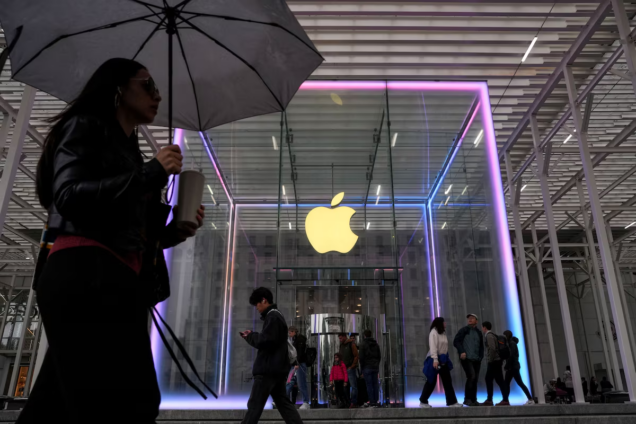
- Apple has increased prices on its tablets and laptops by nearly 20%, with its share price falling after the announcement.
- Microsoft Xbox will raise the price of its five-year-old Series S and X consoles by at least $100 from August, making them 30–40% more expensive than a year ago.
- Nintendo has confirmed it will raise the global price of its Switch 2 console from September.
- Valve has already raised the price of its handheld Steam Deck by 40% and launched its new Steam Machine PC at a higher-than-expected price point.
Danni Hewson, head of financial analysis at investment firm AJ Bell, noted that the rapid expansion of AI data centres has created a swift and significant spike in chip demand that manufacturers are struggling to meet. For now, flagship smartphones from Apple and Samsung appear to have been shielded from the worst of the increases, with analysts saying premium brands are better placed to absorb the disruption.
For consumers in Ghana and across Africa, where electronics are often purchased at a premium due to import costs and currency pressures, these global price hikes could translate into even steeper increases at local retailers. The broader concern among industry watchers is that if AI investment continues at its current pace, the era of technology becoming cheaper over time may be coming to an end.
Source: MyJoyOnline



Comments (0)
Be the first to comment.