
Africa's Youth Are Already Building the Future — But Institutions Are Failing to Keep Up
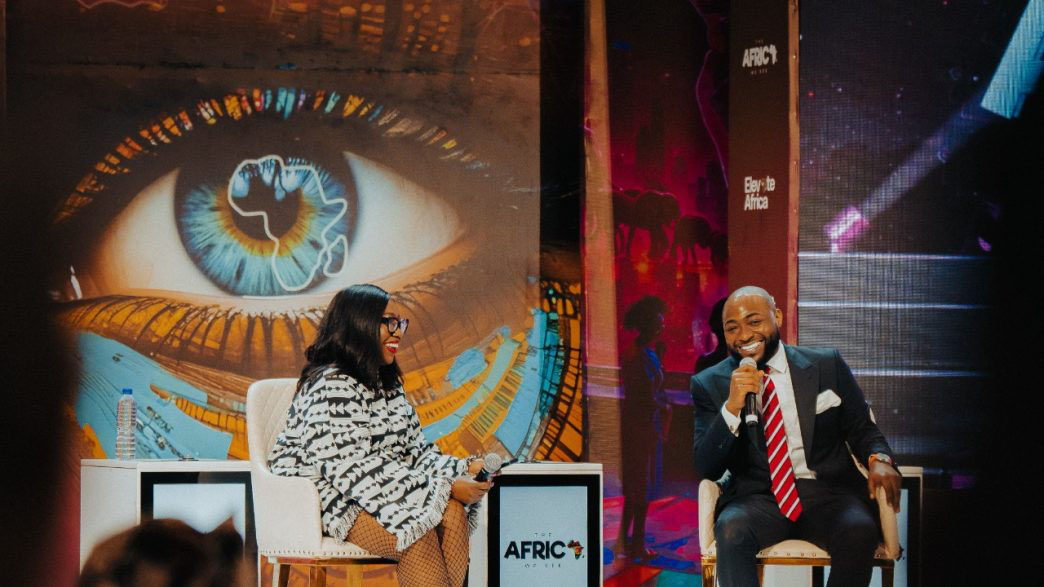

Africa is the world's youngest continent, yet the young people who will inherit and shape its future are routinely excluded from the rooms where critical decisions are made. From economic planning to trade negotiations and governance frameworks, youth voices remain largely decorative — invited to panel discussions but rarely given meaningful power. That disconnect is becoming one of the continent's most urgent development challenges.
A demographic giant with a structural problem
The numbers are striking. According to the World Economic Forum, more than three-quarters of Africa's population is under 35. The African Development Bank (AfDB) projects that the continent's youth population will surpass 830 million by 2050 — a moment when one in every four people on earth will be African. Combined with what is expected to be the world's largest workforce, this demographic reality holds enormous economic promise.
But a large youth population does not automatically translate into prosperity. The International Labour Organisation notes that young Africans are significantly more likely to face unemployment, underemployment or informal work compared with older adults. The AfDB estimates that between 10 and 12 million young people enter Africa's labour market every year, yet only around three million formal jobs are created annually. That gap — between aspiration and opportunity — sits at the heart of the continent's development dilemma.
The irony is that young Africans are not waiting to be invited into the economy. They are already driving it. Data from the AfDB and the African Union show that micro, small and medium-sized enterprises account for roughly 90 per cent of businesses and more than 80 per cent of employment across Africa, with a significant proportion founded or led by young entrepreneurs. From fintech in Nigeria to climate technology in Kenya and film production in South Africa, young Africans are solving local problems with ideas that carry global relevance.
Why it matters for Ghana
Ghana sits squarely within this continental picture. The country has one of West Africa's most vibrant youth entrepreneurship ecosystems, with young Ghanaians making a mark in technology, music, fashion, digital content and agriculture. Ghanaian artists have contributed meaningfully to the global rise of Afrobeats, while homegrown startups in Accra's growing tech scene have attracted international investment attention.
Yet many of the same structural barriers visible across the continent are present in Ghana too. Access to finance for young entrepreneurs remains limited. Educational curricula in many institutions have not fully adapted to the realities of digital and creative economies. Regulatory environments can be cumbersome for small businesses trying to formalise and grow. And at the policy level, young Ghanaians are rarely embedded in the decision-making processes that determine economic direction — from budget planning to trade agreements under the African Continental Free Trade Area (AfCFTA), which Ghana hosts.
The creative economy presents a particularly compelling opportunity. UNESCO estimates that Africa's film and audiovisual sector alone could generate more than 20 million jobs and over US$20 billion in annual revenue if backed by stronger investment, intellectual property protection and distribution infrastructure. Ghana's film industry — Ghallywood — and its thriving music export scene could be significant beneficiaries, but only if policies shaping those industries are designed with the input of the young people actually working within them.
What needs to change
Experts and advocates increasingly argue that governments must move well beyond token youth consultation. The ask is structural: give young leaders genuine seats on national advisory councils, include them in economic and trade policy deliberations, expand financial access for young-led businesses, and reform education to reflect where economies are actually heading.
For Ghana, this could mean ensuring that institutions such as the National Development Planning Commission and trade bodies actively incorporate youth representation — not as a quota exercise, but as a recognition that young Ghanaians are already economic actors, employers, innovators and taxpayers with legitimate stakes in national policy.
- Reforming access to finance for young entrepreneurs, including through dedicated youth-focused credit windows at development finance institutions, would address one of the most cited barriers to business growth.
- Curriculum reform that integrates digital skills, entrepreneurship and creative industries would help bridge the gap between formal education and the realities of a changing labour market.
- Regulatory simplification for small and growing businesses would allow more young-led enterprises to formalise, scale and contribute more fully to tax revenues and job creation.
Africa's demographic dividend is real — but it will only pay out if the continent's institutions evolve fast enough to match the energy, creativity and ambition of the generation already leading the way.
Source: The Ghana Report




Comments (0)
Be the first to comment.