
Western Region Logs 36 Fires in October as GNFS Warns of Greater Risk During Christmas Season


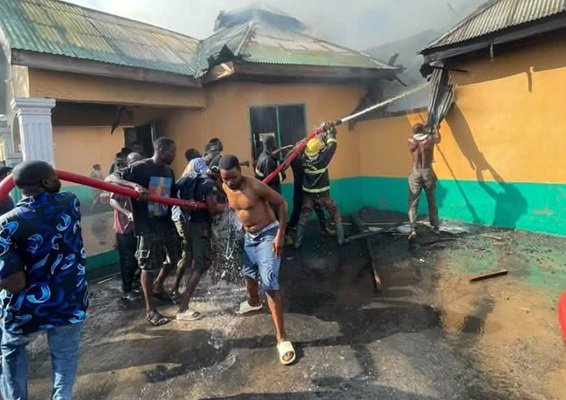
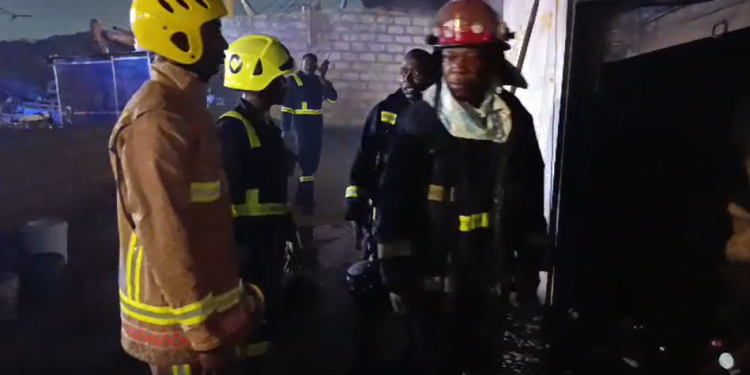
The Western Regional Command of the Ghana National Fire Service (GNFS) has sounded a strong alarm over rising fire incidents in the region, recording 36 separate outbreaks in October 2026 — a figure that has prompted urgent warnings to the public as the Christmas season approaches and fire risks traditionally increase.
A troubling October record
Thirty-six fire incidents in a single month is a significant figure for any regional command, and fire service officials in the Western Region are treating it as a wake-up call. The dry harmattan season, which typically sets in towards the last quarter of the year, is well known to heighten fire hazards across Ghana. Dry vegetation, low humidity and the increased use of open flames make communities — particularly those in rural and peri-urban areas — far more vulnerable to outbreaks that can spread rapidly.
The Western Region, home to major urban centres such as Takoradi and Sekondi as well as a significant number of rural communities, faces a unique combination of risks. Industrial activity, domestic cooking with open fires or gas, and the storage of flammable materials in markets and homes all contribute to the region's fire exposure. The GNFS command's decision to go public with the October statistics suggests a determination to prevent a repeat — or worse — in the weeks ahead.
Why it matters for Ghana
Christmas and the festive season that surrounds it represent one of the highest-risk periods for fires nationwide. Ghanaians across the country increase their use of cooking fires for large family meals, deploy fireworks and candles for celebrations, and often leave electrical appliances running for extended periods. Markets become more crowded with goods, and many households welcome relatives, putting additional strain on electrical systems not designed for heavy loads.
Fire outbreaks during this period are not merely a Western Region concern — they are a national pattern. In previous years, Ghana has seen devastating market fires, residential blazes and bush fires during the Christmas-to-New-Year window, resulting in loss of life, destruction of livelihoods and significant damage to property. For traders who depend on the festive season for their highest earnings, a single fire incident can be financially ruinous.
The GNFS warning is therefore a timely reminder that celebration and caution must go hand in hand. Authorities are particularly concerned about the improper use of gas cylinders, overloaded electrical sockets, unattended cooking fires and the burning of refuse close to structures.
What residents can do
Fire safety experts consistently point to a set of practical measures that can dramatically reduce the risk of fire incidents during the festive season:
- Check electrical wiring and avoid overloading sockets — faulty wiring is among the leading causes of domestic fires in Ghana.
- Never leave cooking fires unattended, especially when frying or using gas-powered stoves during large family gatherings.
- Store flammable materials safely and keep them away from open flames, generators and electrical sources.
- Ensure gas cylinders are properly sealed when not in use and stored in well-ventilated spaces.
- Keep emergency GNFS contact numbers visible and accessible so that any outbreak can be reported without delay.
The Ghana National Fire Service regularly conducts public education exercises and encourages communities, schools and workplaces to request fire safety training. As the Christmas period draws nearer, residents of the Western Region — and indeed all Ghanaians — are urged to take these warnings seriously. A few precautionary steps taken now could prevent tragedy during what should be a joyful season.
Source: 3News

-1200x604.webp)

Comments (0)
Be the first to comment.