
Water crisis at Nalerigu SHS forces students to abandon studies for survival
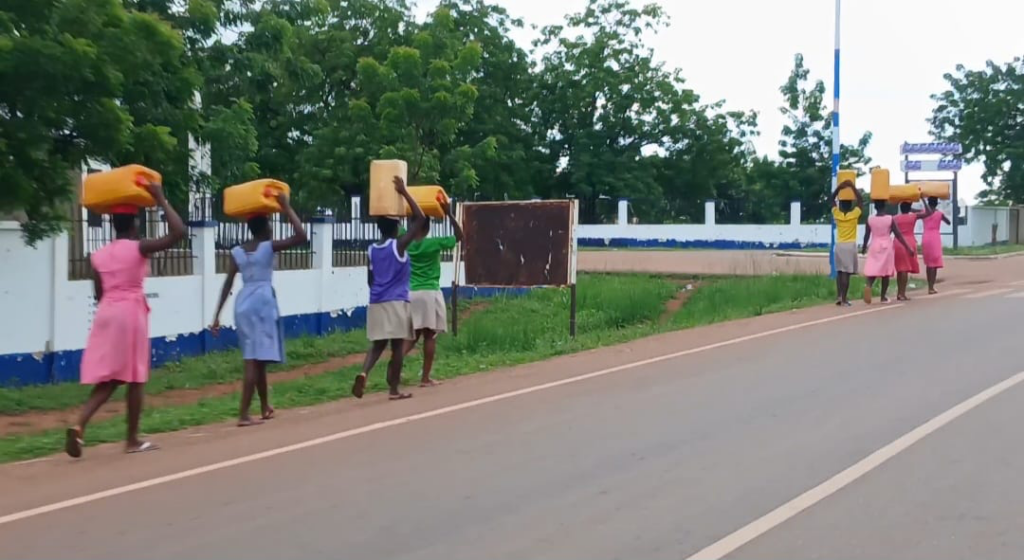

A severe water shortage at Nalerigu Senior High School in Ghana's North East Region has created a crisis that extends far beyond inconvenience—students are now sacrificing study time to hunt for water, threatening their academic performance and personal safety.
The school's water supply system has been non-functional for approximately one month, leaving hundreds of students without access to clean drinking water, bathing facilities and sanitation services. Instead of using evening hours for examination preparation, students are forced to trek into Nalerigu township and surrounding streams, returning to campus exhausted and unable to concentrate on their studies.
"We hardly have time to study at night because we spend most of our evenings looking for water. By the time we return to campus, we are too tired to read," one Form Two student explained, capturing the frustration affecting learners across the school.
Safety and dignity concerns for female students
The crisis has created troubling safety issues, particularly for female students venturing outside the school premises. Girls searching for water have reported being harassed and pressured for contact details by men in the community, with some young women feeling coerced into accepting telephone numbers simply to secure water for bathing.
These incidents highlight how infrastructure failures can expose vulnerable students to exploitation and harassment—a reality that extends beyond the classroom into their personal security and wellbeing.
Sanitation breakdown threatens public health
Without adequate water supply, the school's sanitation systems have collapsed. Toilets and bathrooms have become unusable, forcing students to resort to open defecation within the school compound. The situation has deteriorated further with improper waste disposal, including used sanitary pads scattered across campus, creating serious health and hygiene risks.
The accumulation of refuse and unsanitary conditions creates an environment where waterborne and communicable diseases could easily spread among the student population—a concern that compounds the educational crisis.
Why it matters for Ghana
This situation at Nalerigu SHS reflects a broader infrastructure challenge affecting educational quality across Ghana's regions. While the country has made progress in school infrastructure, basic utilities like water remain inconsistent in many institutions, particularly in rural and semi-urban areas.
The crisis demonstrates how infrastructure gaps directly undermine academic excellence. Students cannot concentrate on learning when basic needs go unmet, and examination performance inevitably suffers. For a school system already facing competitive pressures, this disruption places Nalerigu's students at a disadvantage compared to peers in better-served institutions.
Additionally, the situation illustrates how resource scarcity creates secondary vulnerabilities—in this case, putting female students at risk of harassment and exploitation. Educational equity demands that all students, regardless of location, have safe access to water and sanitation.
The students have appealed to school authorities, the Ghana Education Service and government to restore water supply urgently. However, efforts to obtain responses from the Headmaster and PTA Chairman have been unsuccessful, raising questions about accountability and responsiveness to the crisis.
This situation demands immediate intervention to restore services and prevent further deterioration of both learning conditions and student welfare at the school.
Source: MyJoyOnline




Comments (0)
Be the first to comment.