
Wa East District Hits Near-Perfect Revenue Target as 53 Development Projects Transform Upper West Communities
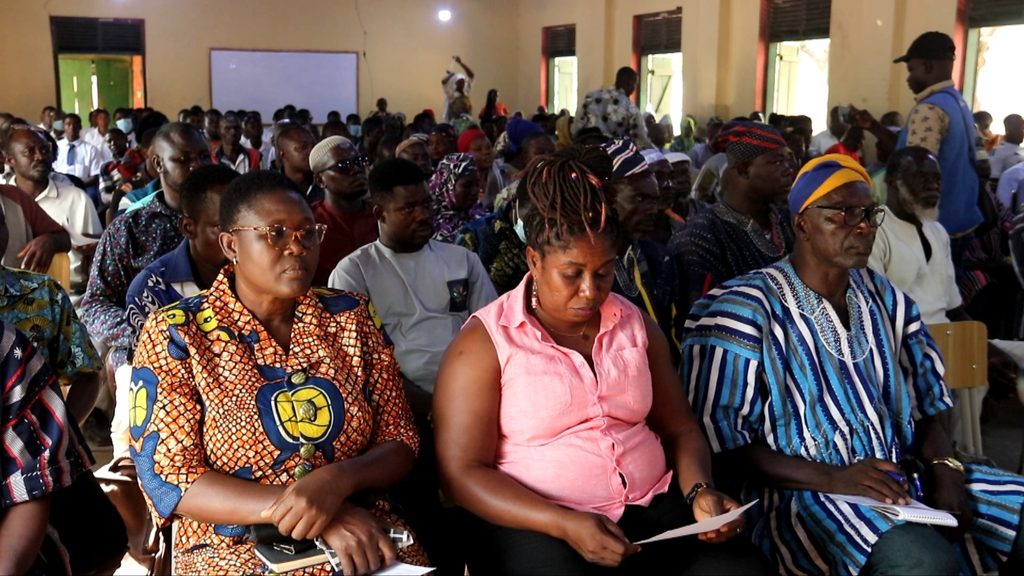

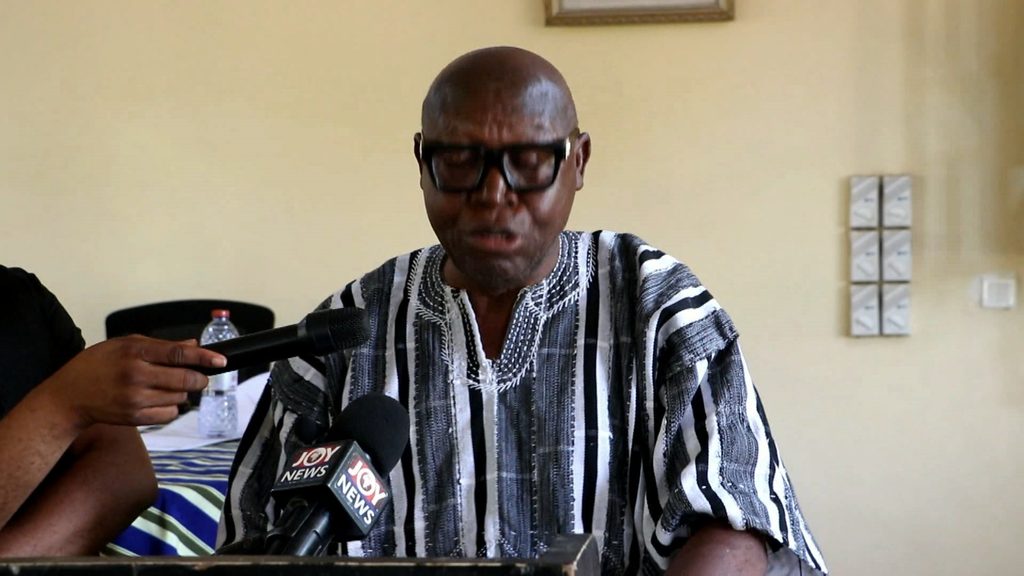
The Wa East District in the Upper West Region is recording one of its most active development periods in recent memory, with 53 projects launched across key sectors since June 2025, 35 of which have already been completed. The District Chief Executive, Adamu Sayibu, presented the update at a stewardship report to residents in Funsi, outlining achievements in education, health, water and sanitation, road infrastructure, and central administration.
Projects on the ground: What has been built
Of the 53 projects initiated, 14 fall under education, 12 under health, 18 under water and sanitation, and six under central administration. Three roads have also been opened to improve access to farming communities — a critical intervention in a district where agriculture remains the backbone of livelihoods.
Completed projects include 10 education facilities, nine health structures, eight water projects, and all six administration projects. Among the notable interventions are the construction of Community-based Health Planning and Services (CHPS) compounds, school furnishing, provision of water facilities, and the rehabilitation of key roads. Two additional projects funded by the Ghana Education Trust Fund (GETFund) are still under construction, as is a District Health Insurance office.
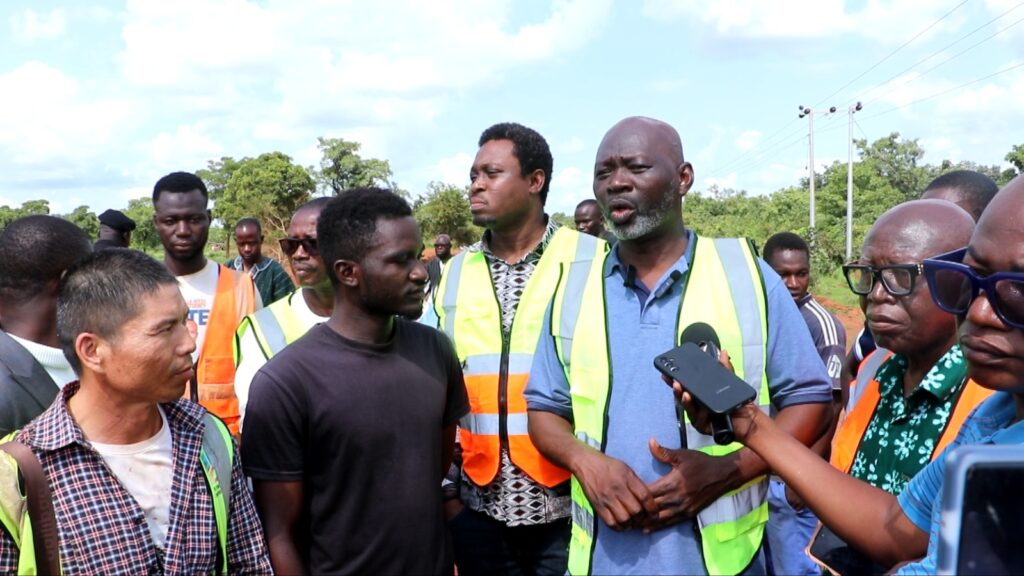
On roads, six bridges have been constructed along the Loggu-Jeyiri-Tiisa stretch, while a 37-kilometre road from Bulenga to Yaala is progressing under the government's Big Push programme. A rural electrification project that had been stalled since 2016 has also been re-awarded, with work now underway to bring electricity to communities that have waited nearly a decade for the service.
Revenue performance described as unprecedented
Perhaps the most striking figure from the DCE's report is the Assembly's revenue performance. As of 20 November 2026, Wa East had mobilised GH¢649,936 against a target of GH¢650,000 — representing 99.99 per cent of the annual target, with a shortfall of just GH¢64. Mr Sayibu described this as unprecedented in the district's history.
Total receipts for the period stood at GH¢14,739,104.65, of which GH¢10,576,082.66 — roughly 71.76 per cent — had been expended. The figures suggest improved financial discipline at the district level, though questions remain about the sustainability of such near-perfect revenue collection in future cycles.
On flagship government programmes, Mr Sayibu confirmed that 28 master craftsmen and their apprentices had benefited from the National Apprenticeship Programme. Under the Feed Ghana initiative, fertiliser had been distributed to beneficiaries, and support had been extended through the Nkoko Nkitikiti programme. Persons with Disabilities (PWDs) have also received assistance through the mandatory five per cent allocation of the District Assemblies Common Fund (DACF), covering business development, education, healthcare, and farming.
Why it matters for Ghana
Wa East's report offers a useful window into how district assemblies — often under-resourced and overlooked — are faring under current government development frameworks. The near-complete achievement of a revenue target, coupled with tangible infrastructure delivery, reflects what is possible when local governance is focused and accountable.
The Big Push programme, which President John Dramani Mahama has championed as a vehicle for infrastructure-led economic growth, is evidently making an impact in areas like Wa East, where road access has historically constrained agricultural productivity and trade. The DCE's appeal for the programme's second phase to cover additional critical roads in the district will likely resonate with other district leaders facing similar constraints across northern Ghana.
However, challenges remain. The Funsi Senior High School disturbances — sparked by electricity failures in the boys' dormitory, inadequate water, and delays in relocating female students to new facilities — highlight how infrastructure gaps can quickly affect learning and student welfare. While electricity has been restored to the boys' dormitory and work is underway to connect the new girls' block, the persistent water shortage at the school remains unresolved. The DCE has appealed to the Upper West Regional Minister and relevant agencies to find a lasting solution.
Broader appeals from the DCE include the speedy completion of the Agenda 111 hospital, upgrading of the Bulenga Health Centre to polyclinic status, improved road links to market centres, and electricity extension across the district — a reminder that progress, while real, must be sustained and deepened.
Source: MyJoyOnline


Comments (0)
Be the first to comment.