Volta Region students lead national conversation on drug prevention and youth mental health
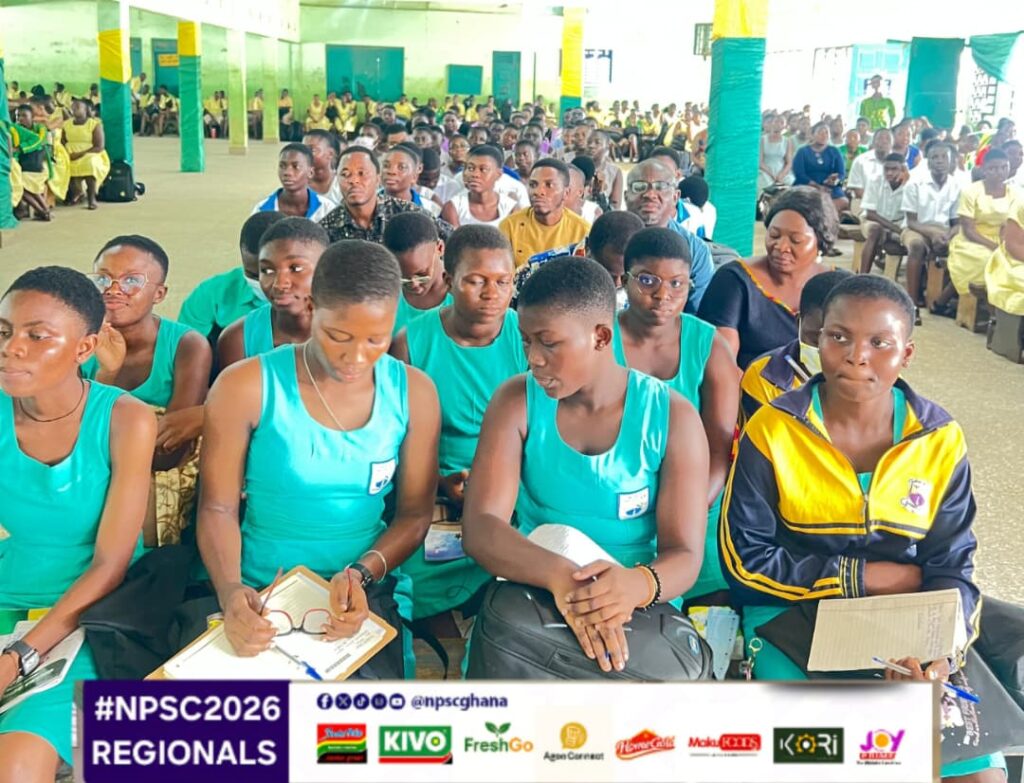
Young people in the Volta Region have taken centre stage in a critical national conversation about substance abuse and mental health, as schools competed in a regional public speaking competition designed to engage students in solutions to drug prevention.
Held at Sogakope Senior High School, the Volta Region stage of the National Public Speaking competition brought together students to articulate their perspectives on some of Ghana's most pressing youth challenges. Rather than passive audiences, participants became advocates, presenting well-researched arguments on topics ranging from creating drug-free generations to the relationship between substance abuse and school dropout rates.
What the competition covered
The three rounds of competition tackled interconnected themes that paint a picture of how drug abuse affects multiple dimensions of young Ghanaians' lives. The opening round challenged students to debate whether a drug-free generation is achievable and to identify gaps in current prevention strategies. The second round connected substance abuse directly to educational outcomes, whilst also proposing drug education as a form of national investment. The final round linked mental health to addiction, arguing that neglecting psychological wellbeing creates pathways to substance dependence.
Three schools—Awudome Senior High School, Dzodze Penyi Senior High School and Keta Senior High Technical School—earned the right to represent Volta Region at the national stage of the competition. Their performances impressed judges, who noted the students' ability to engage with nuance and complexity rather than offering simplistic solutions.
Why it matters for Ghana
This competition reflects a broader recognition among educators and policymakers that young people must be part of the solution to Ghana's drug abuse challenge. By giving students a platform to research, think critically and articulate positions on substance abuse, the competition achieves multiple goals simultaneously.
First, it elevates public awareness among peers who hear their classmates speak passionately about these issues. Second, it develops communication and leadership skills that will serve students regardless of their future careers. Third, it generates ideas and perspectives from the demographic most affected by drug abuse—young people themselves often understand barriers to prevention that adults may overlook.
The emphasis on mental health is particularly significant. Many intervention programmes focus narrowly on drug awareness, but this competition acknowledged the reality that untreated psychological distress often precedes substance abuse. For Ghana, where mental health services remain under-resourced in many regions, including Volta, this framing could influence how prevention is approached at the policy level.
Building a movement from the ground up
The judges' commendation of both students and organisers underscores the value of spaces where young people can speak authoritatively on matters affecting their generation. In Ghana, youth voices are sometimes marginalised in public discourse, yet young people bear the consequences of decisions made without their input.
Competitions like this one create pipelines of informed young advocates who may go on to influence policy, community action or their own professional choices. The students who qualified for the national stage will carry Volta Region's perspectives on drug prevention forward, potentially shaping how the broader conversation unfolds at national level.
As Ghana continues to grapple with substance abuse among young people, initiatives that centre student voices, encourage critical thinking and link immediate challenges to long-term development goals offer a model worth scaling beyond the Volta Region.
Source: MyJoyOnline



Comments (0)
Be the first to comment.