Venezuela Earthquake: Survivors Struggle as Anger Mounts Over Government's Slow Response
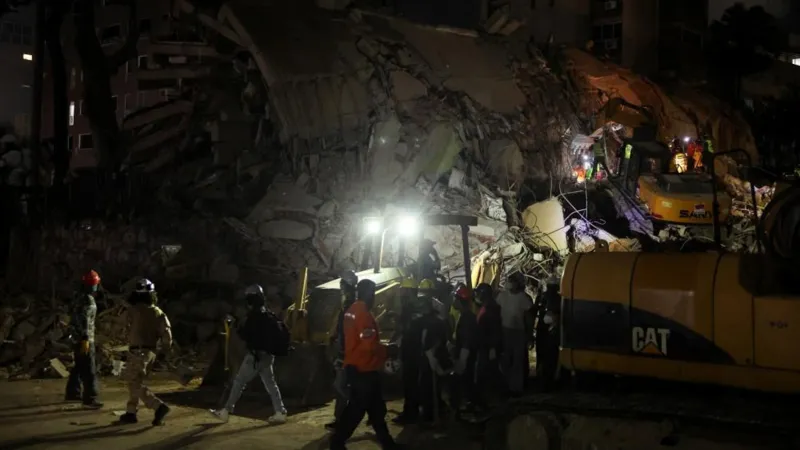
Days after a pair of powerful earthquakes struck Venezuela, survivors in the capital Caracas and along the northern coast are grappling with grief, displacement, and growing frustration over what many describe as an insufficient government response to the disaster.
In the Chacao district of Caracas, residents like former policeman Jan Carlos Roa Garcia, 50, have been forced to sleep outdoors after their apartment building was deemed too structurally unsafe to re-enter. Though not entirely collapsed, the building is uninhabitable — and Jan Carlos says no official has reached out to his family. "If I was 30 and not 50, then maybe. But I don't know where to begin," he said, tears streaming down his face.
Musician Zaira Castro, also in the Chacao area, was more direct in her criticism. "We're all pretty frustrated because the government is not showing what it should — a serious display of help," she said. "It's actually us, the Venezuelans, who are helping each other. We don't depend on the government — that doesn't exist for us anymore." Her remarks reflect a sentiment widely shared among those affected, particularly as Interim President Delcy Rodriguez's visit to the area was met with angry shouts from residents accusing officials of using the tragedy for political gain.
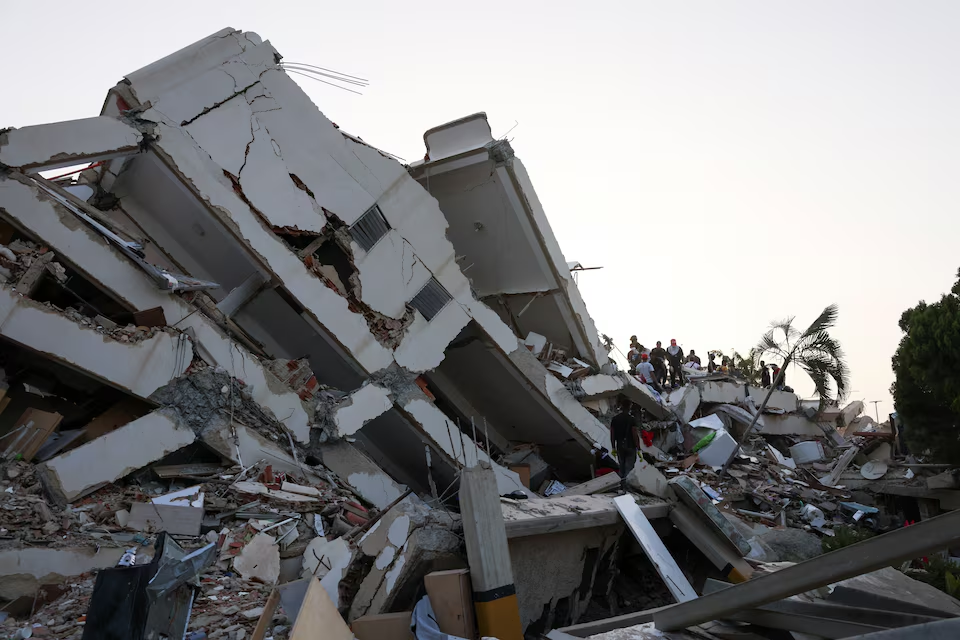
The coastal town of La Guaira has been hardest hit, with more than 100 buildings reported flattened and scenes described as apocalyptic. Rescue crews — both local and international — have worked through consecutive nights in a race against time to reach those still trapped under rubble. Videos shared on social media have captured the emotional moments when survivors are pulled free, offering rare glimmers of hope amid the devastation.
Healthcare System Under Severe Strain
Hospitals along Venezuela's northern coastline are struggling to cope with the surge in casualties. The country's healthcare infrastructure, already severely underfunded after years of economic crisis, is now being pushed to its absolute limits. Doctors and nurses are working under extraordinary pressure, while survivors recount harrowing experiences from inside overwhelmed wards. "It was awful — so many people died, so many family members went missing," said Maria Vargas, speaking to AFP from her hospital bed. "I lost my house completely, but we're all right, thank God."
Rescue specialists note that the critical 48-hour window following an earthquake — when the chances of finding survivors alive are highest — has now passed, making the ongoing operation increasingly desperate. Venezuela, a country that has endured years of political and economic turmoil, now faces what many observers are calling one of the gravest humanitarian moments in its modern history.
Source: The Ghana Report
Comments (0)
Be the first to comment.