
UN hails Ghana's National Service as Africa's youth development blueprint
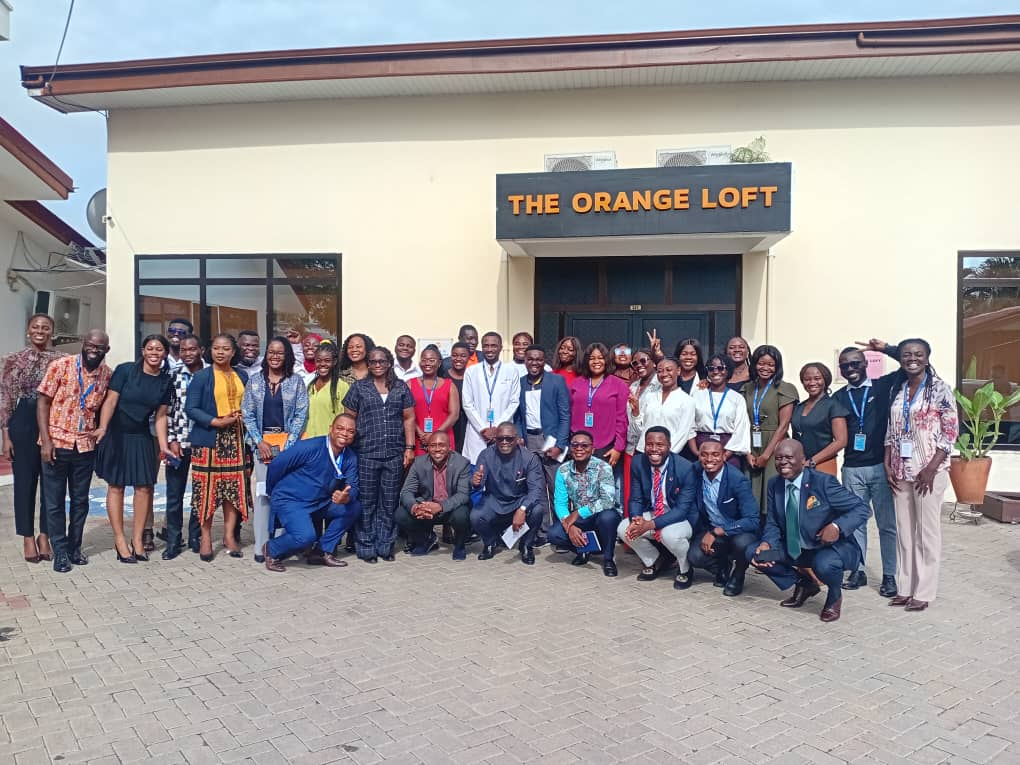

Ghana's National Service programme has won international recognition as a comprehensive youth development model that African nations should replicate, according to the United Nations Population Fund's top official for West and Central Africa.
During a visit to UNFPA Ghana, Regional Director Dr Sennen Hounton commended the country's integrated approach to combining national service, academic development and skills training—describing it as unique across the continent. Speaking at a familiarisation meeting with fellows of the Youth Leaders Fellowship Programme (YOLE), he emphasised that whilst individual components exist elsewhere in Africa, Ghana's holistic combination stands apart.
"I have not seen such a comprehensive model on the continent. I've seen bits and pieces, but not this," Dr Hounton stated, highlighting how other nations operate either national service programmes or youth development initiatives in isolation, without the interconnected framework Ghana has established.
Why Ghana's model matters for Africa
The UNFPA Director stressed that Ghana's National Service Authority offers young people far more than ceremonial civic duty. He characterised the programme as a cost-effective mechanism for building national human capital, providing thousands of graduates with their first formal employment experience annually. This approach, he noted, addresses a critical challenge across the continent: equipping youth with practical work experience whilst simultaneously contributing to national development.
Dr Hounton committed to championing Ghana's model across his region and beyond, positioning the country as a thought leader in youth development policy. He noted that the YOLE initiative—an annual fellowship developed jointly by UNFPA Ghana and the National Service Authority—could potentially attract expanded support from other UN agencies, financial institutions and development partners, amplifying its continental impact.
For Ghana, the recognition reinforces the National Service Secretariat's position as an innovative institution worthy of international study and replication. It also validates decades of investment in youth integration into the workforce whilst simultaneously building civic consciousness.
The YOLE Programme's expanding reach
The Youth Leaders Fellowship Programme represents the practical evolution of Ghana's service model. By equipping young people with leadership and development skills alongside their service placements, YOLE creates a dual pathway: immediate employment and capability-building that extends beyond the mandatory service year.
Dr Hounton's endorsement suggests the model could unlock fresh funding and technical partnerships. International development agencies increasingly prioritise youth employment and leadership development as keys to stability and economic growth across Africa. Ghana's proven framework offers a tested blueprint rather than theoretical aspiration.
The UNFPA Director encouraged current YOLE fellows to view their service as genuine contribution to national development, urging pride in serving communities beyond their home regions. This framing—positioning service as meaningful rather than obligatory—reflects how Ghana's institutional approach differs from conscription-style programmes elsewhere.
As African nations grapple with youth unemployment, skills gaps and the need for national cohesion, Ghana's willingness to share its model through UNFPA channels could position the country as a development partner and policy innovator across the continent.
Source: MyJoyOnline



Comments (0)
Be the first to comment.