Uganda Army Chief Shuts Down Major Media Houses, Declares War on Free Press
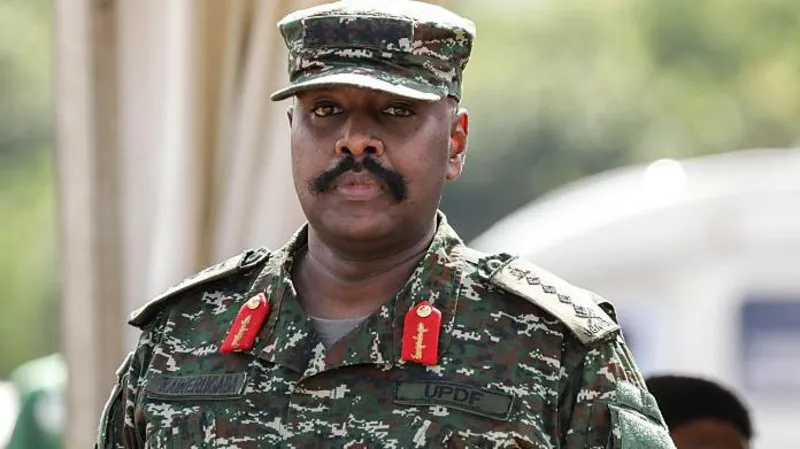
Uganda's most prominent independent media group has been plunged into crisis after the country's army chief, General Muhoozi Kainerugaba — son of President Yoweri Museveni — ordered the closure of several leading news outlets in the early hours of Sunday. The affected outlets include the Daily Monitor newspaper, NTV Uganda, and Spark TV, all of which belong to the Nation Media Group, one of East Africa's most influential media conglomerates.
Armed soldiers were deployed outside the Daily Monitor's headquarters in Kampala, with staff members reporting that no one was permitted to enter or leave the premises. Viewers tuning in to NTV and Spark TV were greeted with blank screens bearing the message 'video unavailable'. The Daily Monitor described the situation as a "military siege" on its operations.
General Kainerugaba made no attempt to conceal his position on press freedom, posting openly on X: "I DO NOT believe in a free press! The press should be guided by cadres of the revolution." He further claimed that his father had granted him the authority to shut down any media house at will, warning that NTV and the Daily Monitor would "not re-open without my permission" and that all media in Uganda would henceforth "follow the rules."
The crackdown draws uncomfortable parallels with Uganda's media history. The Daily Monitor was raided by police in 2013 over a letter allegedly linking senior officials to a succession scheme known as the 'Muhoozi Project', while NTV was previously forced off air in 2007 following government accusations of negative coverage. President Museveni himself has on past occasions referred to the Daily Monitor as an "enemy and evil newspaper."
Opposition figures and human rights organisations have long accused General Kainerugaba of playing a central role in what they describe as a deeply repressive administration. The general sparked widespread outrage during January's disputed elections — in which Museveni won a record seventh term — after posting threats targeting defeated opposition figure Bobi Wine. The United Nations described the electoral environment as one of "widespread repression and intimidation against the political opposition," though election officials maintained the polls were free and fair.
The developments raise serious concerns across Africa about the fragility of press freedom in the region. President Museveni, now 81, seized power nearly four decades ago as a rebel leader, and there is growing speculation that he is positioning his son to eventually succeed him — a dynastic transition that critics argue is now being enforced at gunpoint.
Source: The Ghana Report
Comments (0)
Be the first to comment.