UBA Ghana Pushes Financial Literacy at National Youth Summit, Eyes Wealth Creation Among Young Ghanaians

Financial literacy has become increasingly critical for Ghana's youth, and UBA Ghana is stepping up efforts to equip young people with the knowledge and mindset needed to build lasting wealth. At the National Youth Summit 2026, the bank brought together hundreds of participants across multiple campuses to challenge conventional thinking about money and position wealth creation as a deliberate, strategic process rather than an accident of high income.
The bank's participation underscores a growing recognition among financial institutions that young Ghanaians need more than salary advice—they need frameworks for converting earnings into assets, managing risk, and thinking entrepreneurially about their futures. UBA Ghana's executives brought this message directly to students at two major universities, emphasising that financial success depends on intention, discipline, and informed decision-making.
The Core Message: Mindset Before Money
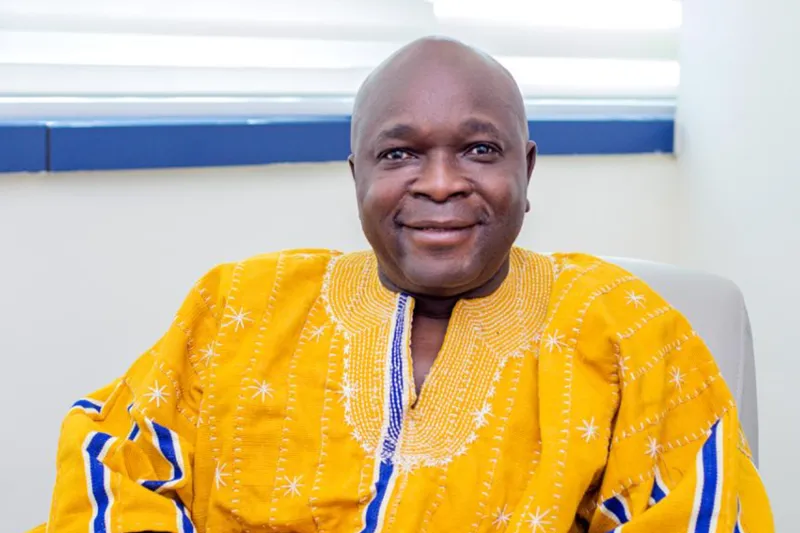
UBA Ghana's Head of Distribution and Channels, Elvis Dan-Sekyi, delivered a sobering reminder to participants: how you manage your money and time today shapes your tomorrow. This framing moves beyond budgeting tips to underscore a deeper truth—that wealth accumulation is primarily a behavioural and psychological challenge, not merely an income problem.
At the University of Cape Coast, Dan-Sekyi encouraged young people to move beyond earning an income and focus instead on three pillars: planning, saving, and investing. The emphasis on planning is particularly significant, as many young Ghanaians lack structured financial roadmaps despite earning money through formal employment, side hustles, or business ventures.
Belinda Y.D. Tinkorang, UBA Ghana's Outstation Regional Head, reinforced this at Kwame Nkrumah University of Science and Technology, advocating for an entrepreneurial mindset as a gateway to wealth. Her framing—seeing problems as opportunities, converting skills into income streams, and building with discipline—appeals to Ghana's growing informal and gig economy, where many young people juggle multiple income sources.
Why It Matters for Ghana
Ghana's youth unemployment remains a persistent challenge, even as labour force participation rates climb. Beyond joblessness, however, lies a deeper issue: underemployment and the absence of wealth-building strategies among those with income. Many young Ghanaians earn money but accumulate little, caught in cycles of consumption without investment.
Financial literacy initiatives like UBA's are particularly timely as Ghana increasingly digitalises its financial sector. Mobile money, online banking, and investment platforms are more accessible than ever, but without foundational knowledge of budgeting, risk management, and long-term investing, young people risk making costly mistakes or missing opportunities altogether.
The bank's focus on universities is strategic. Students represent Ghana's emerging professional class, entrepreneurs, and decision-makers. Instilling wealth-building habits early—before lifestyle inflation and poor financial habits calcify—can have cascading effects across Ghana's economy. Young professionals who understand compound interest, investment diversification, and entrepreneurial risk-taking are more likely to start businesses, create jobs, and contribute to economic growth.
UBA's Broader Strategy
This summit participation reflects UBA Ghana's stated commitment to financial inclusion and youth empowerment. Beyond one-off events, the bank supports platforms promoting mentorship, financial literacy, and access to banking products tailored to young people. These efforts align with broader industry trends and regulatory pressure in Ghana to expand financial inclusion.
As Ghana grapples with inflation, currency volatility, and economic uncertainty, the ability of young people to build resilient financial foundations becomes even more critical. UBA's emphasis on intentional living and disciplined wealth creation addresses not just personal prosperity but collective economic stability.
Source: Ameyaw Debrah



Comments (0)
Be the first to comment.