TOR's Revival Marks Turning Point for Ghana's Energy Independence – COPEC Chief

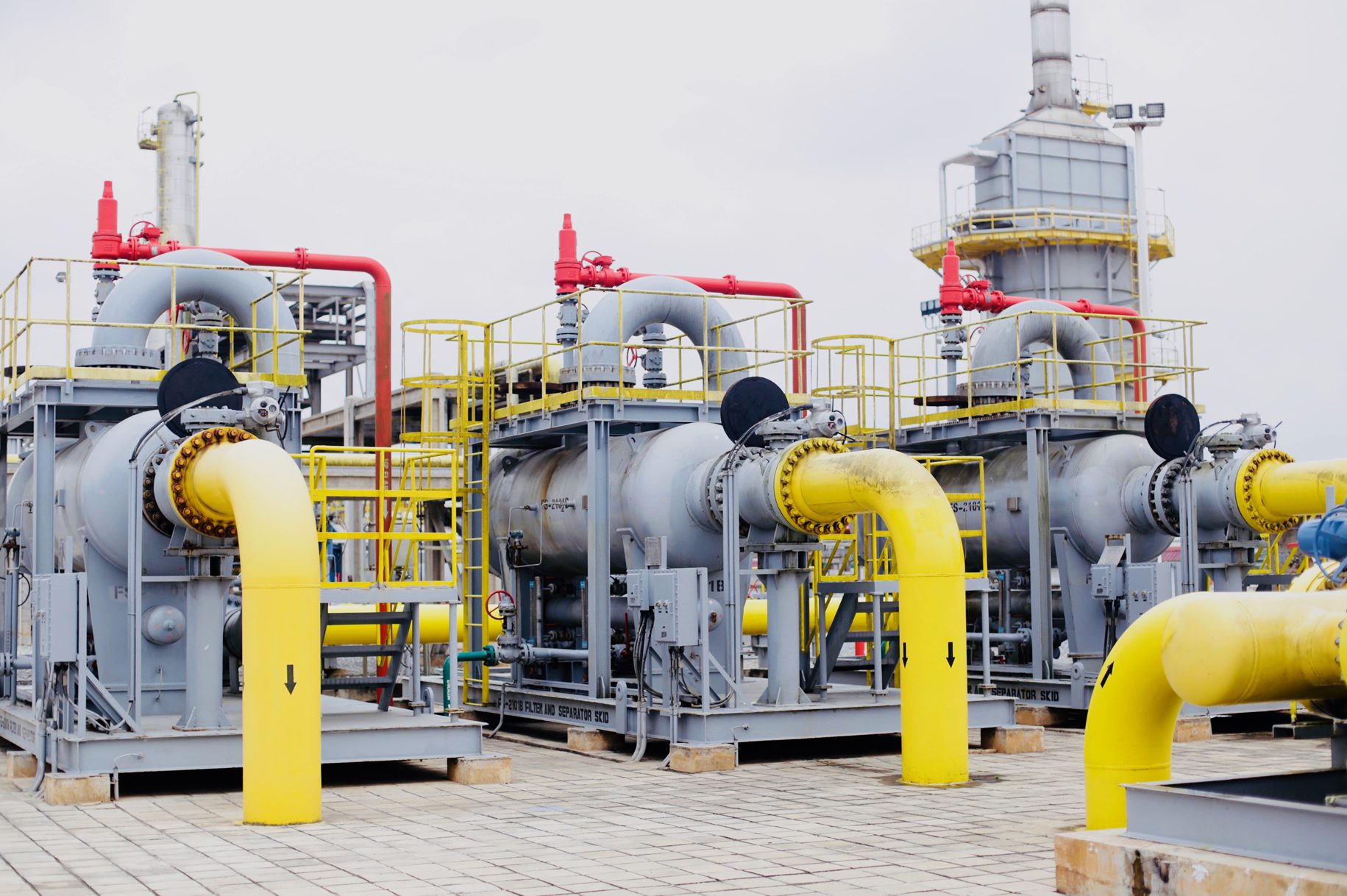
Ghana's downstream petroleum sector has received a significant boost with the successful commissioning of the Tema Oil Refinery's Crude Distillation Unit (CDU), a development that industry watchers say could fundamentally reshape the country's approach to energy security and fuel imports. The Executive Secretary of the Chamber of Petroleum Consumers (COPEC), Duncan Amoah, has expressed cautious optimism about TOR's trajectory, describing the revitalisation efforts as long overdue progress for a facility that has struggled with operational challenges and extended periods of inactivity.
President John Dramani Mahama officially commissioned the refurbished CDU on Saturday, August 1, marking a symbolic milestone in efforts to restore the refinery to productive capacity. Amoah, who attended the commissioning ceremony, highlighted not only the importance of the crude distillation infrastructure but also complementary investments in power generation infrastructure that will enable TOR to achieve greater operational autonomy.
Infrastructure Improvements and Self-Sufficiency
Beyond the CDU commissioning, Amoah noted that TOR has been installing new generating units designed to supply the refinery's own electricity needs whilst potentially providing surplus capacity to Ghana's national grid. These dual-purpose investments suggest a more holistic approach to TOR's rehabilitation, addressing not just refining capacity but the operational costs and energy constraints that have historically hindered the facility's performance.
The COPEC official's remarks, made during an appearance on the Channel One Newsroom, reflected observations from civil society organisations that had conducted facility inspections in the weeks preceding the official commissioning. Such transparency about ongoing works may help rebuild public confidence in TOR's future viability after years of missed targets and unfulfilled rehabilitation promises.
Why This Matters for Ghana
TOR's revival has profound implications for Ghana's energy sector and national fiscal health. The country has long relied on imported refined petroleum products, a dependency that drains foreign exchange reserves and exposes Ghana to global price volatility. When TOR operates at meaningful capacity, local refining capacity reduces this vulnerability and keeps fuel costs more predictable, benefiting consumers across sectors from transport to manufacturing.
Equally significant is the presidential directive that Amoah referenced: crude oil supplied to TOR will not require the refinery to repay costs in dollars. This policy removes a critical financial constraint that has previously undermined TOR's economics and competitiveness against imported fuel. By allowing the refinery to settle obligations in local currency or other terms, the government has effectively de-risked TOR's operational model and created more breathing room for consistent production.
The refinery's capacity to generate its own power also addresses a systemic problem that has plagued TOR for years—unreliable and expensive electricity supply. A self-sufficient refinery can operate with greater reliability and cost efficiency, reducing the need for expensive diesel-powered generators and improving margins on refined product sales.
Path Forward and Sector Recovery
The successful commissioning of the CDU represents a concrete step rather than a mere promise. However, sustained success will depend on consistent crude supply, effective maintenance, skilled workforce retention, and stable operational policies. The refinery will also need to demonstrate that it can compete commercially with imported refined fuels whilst generating sufficient revenue for reinvestment and debt servicing.
For Ghana's broader energy security framework, TOR's revival complements ongoing efforts to expand renewable energy capacity and manage petroleum resources sustainably. A functioning domestic refinery creates jobs, reduces import dependency, and strengthens the country's negotiating position in regional energy markets—factors that resonate across economic and political sectors.
Source: The Ghana Report

Comments (0)
Be the first to comment.