SDA Church steps up to help government complete stalled Agenda 111 hospitals
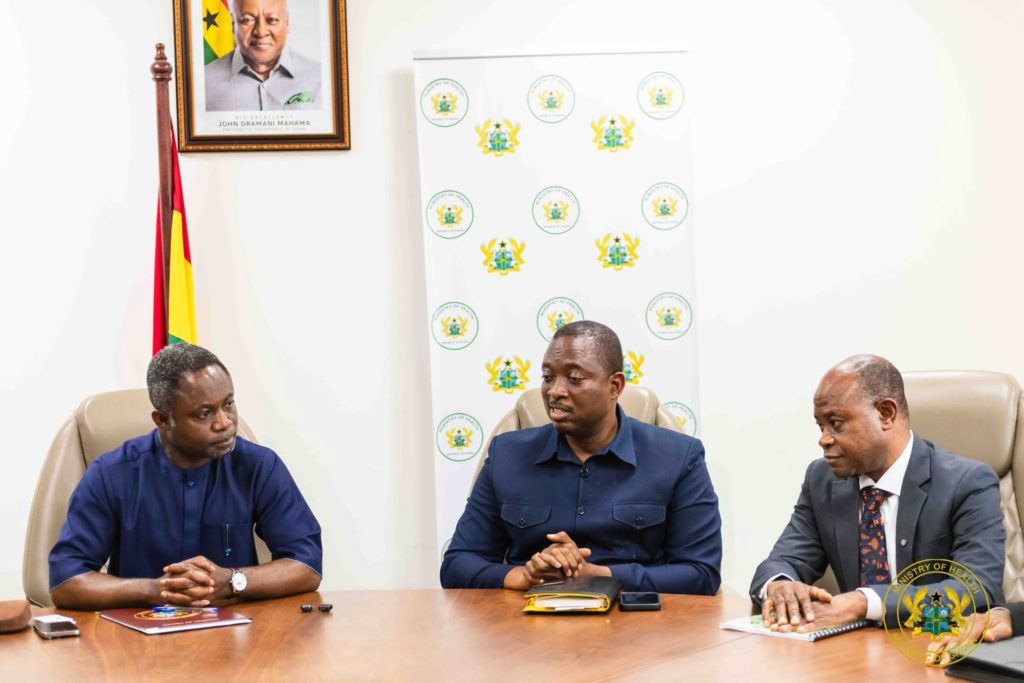
The Ghana Adventist Health Services of the Seventh-day Adventist Church has pledged to work alongside the government to help complete several Agenda 111 hospital projects that remain unfinished across the country. The commitment signals growing involvement from faith-based organisations in bridging Ghana's healthcare infrastructure gaps, particularly in underserved communities where access to quality medical services remains severely limited.
Dr James Antwi, leading a delegation from the SDA health services, met with Health Minister Kwabena Mintah Akandoh to formally present a partnership proposal. The church outlined four specific areas where it plans to contribute: trauma care, holistic wellness programmes, oncology and cancer treatment services, and rehabilitation facilities. This targeted approach aims to position the SDA Church as a strategic partner in strengthening healthcare delivery across the country.
How the partnership will work
The minister clarified that partnerships with faith-based and private organisations would not require direct financial contributions to government coffers. Instead, organisations would provide hands-on support towards completing selected Agenda 111 facilities. The government has invited the Christian Health Association of Ghana (CHAG) and private sector players to identify specific hospitals or health facility areas where they wish to contribute, with government providing necessary technical guidance to facilitate project completion.
This approach reflects the minister's acknowledgement that government alone cannot shoulder the entire burden of healthcare infrastructure development. Mr Akandoh welcomed the SDA Church's long track record of providing healthcare in deprived communities and emphasised that such partnerships were essential to meeting Ghana's growing healthcare needs.
Broader healthcare expansion plans
Beyond Agenda 111 partnerships, the minister outlined several major infrastructure initiatives underway. The government plans to construct six regional hospitals in newly created regions, with funding already allocated for three facilities to begin construction in 2026 and the remaining three in 2027. Additionally, two new cardiology centres are planned—one in Tamale and another at Komfo Anokye Teaching Hospital in Kumasi—to expand access to specialised cardiac care. A cardiac catheterisation laboratory recently commissioned at Korle Bu Teaching Hospital will strengthen the country's capacity for advanced cardiac procedures.
Why it matters for Ghana
Agenda 111 represents one of Ghana's most significant healthcare infrastructure pledges, yet many facilities remain incomplete or non-operational due to funding and implementation challenges. Securing support from faith-based organisations like the SDA Church could accelerate project completion and significantly improve healthcare access, particularly in rural and deprived areas where need is greatest. The minister also reiterated plans to move Ghana towards Universal Health Coverage by 2030 through three key interventions: the Free Primary Healthcare initiative, expansion of the National Health Insurance Scheme, and establishment of the Ghana Medical Care Trust Fund. These concurrent efforts suggest a comprehensive government strategy to remove barriers to healthcare access while simultaneously building physical infrastructure. However, success will depend on sustained commitment from both government and partners, as well as equitable distribution of resources across all regions.
Source: MyJoyOnline



Comments (0)
Be the first to comment.