
Northern Ashanti Mines Accuses Minerals Commission of Bad Faith in Konongo Mine Takeover Dispute
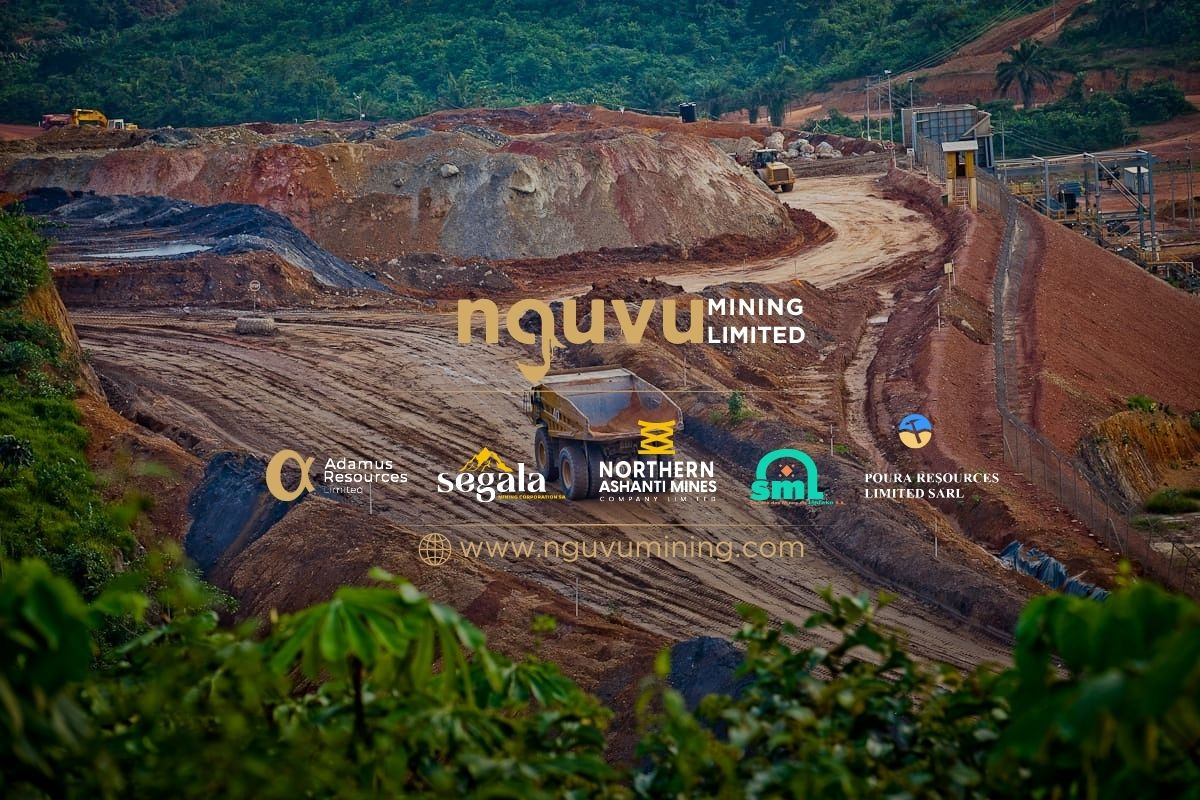

Northern Ashanti Mines Limited (NAML) has escalated its dispute with Ghana's Minerals Commission, filing a formal challenge against the regulator's takeover of its Konongo operations and disputing claims that it owes over $8.3 million in outstanding fees. The company alleges the Commission acted unlawfully and in bad faith, characterising the takeover as part of a broader pattern of unjustified seizure of Ghanaian-owned mining assets.
NAML, which acquired the Konongo concession in 2019, says it has invested more than $100 million in developing the mine but has not yet begun commercial gold production. The company disputes the Commission's core justifications for the takeover, arguing it received insufficient notice of alleged breaches and that the debt figures cited do not reflect actual outstanding obligations.
The Debt and Operational Dispute
At the heart of the conflict is disagreement over NAML's financial obligations. The Minerals Commission claims the company owes $8,332,000 related to its mining lease and a further $49,000 on its prospecting licence. However, NAML counters that an audit communication from the Commission in May 2026 valued its own debt at approximately $2.4 million—substantially lower than the figure used to justify takeover.
NAML argues that the larger $8.3 million figure represents a legacy debt inherited from the mine's previous operator, for which the current owner should not be held responsible. The company says it has already paid over $1 million towards reducing its balance and requested additional time to settle obligations as it constructs a processing plant ahead of full production.
The company also disputes claims that it has undertaken no meaningful mining activity for over two years. NAML points to permits issued by the Commission itself on 7 and 17 February 2026 for a new processing plant and mining operations, both valid through December 2026. It maintains these permits prove active development and operational intent.
Why This Matters for Ghana
This dispute carries significant implications for Ghana's mining sector and investor confidence. The case highlights tensions between regulatory oversight and business rights in an industry critical to Ghana's economy. If NAML's allegations of unjustified takeovers are substantiated, they could deter domestic and foreign investment in Ghana's mining industry at a time when the sector is already facing operational challenges.
The Konongo case also raises questions about procedural fairness in mining regulation. NAML's claim that it received no statutory notice of breach before revocation—only a retrospective letter referring to an earlier notice it says it never received—suggests potential gaps in regulatory transparency and due process. For Ghana's business environment, clear and consistent enforcement procedures are essential to maintaining investor trust.
Additionally, the dispute speaks to broader concerns about the treatment of Ghanaian-owned mining businesses. NAML's allegation of a pattern of unlawful takeovers of local assets suggests systemic issues that extend beyond this single concession. Such concerns, if left unaddressed, could undermine efforts to encourage Ghanaian participation in the country's resource sector.
Next Steps and Resolution
NAML says it has escalated the matter to the courts to protect its investment and pursue what it describes as an ambition to build an indigenous Ghanaian mining business. The company has signalled willingness to engage in dialogue with the Commission, suggesting it remains open to negotiated resolution that would restore confidence in Ghana's mining investment environment.
The outcome of this dispute will likely influence how both regulators and mining companies approach compliance and enforcement in Ghana going forward. It also underscores the need for clearer frameworks governing debt assessments, notice requirements, and the revocation of mining rights.
Source: MyJoyOnline




Comments (0)
Be the first to comment.