NDC Youth Hopeful Pledges Irrigation Revolution to Tackle Northern Ghana Farm Crisis

Steven Nhyira Odarteifio has thrown his hat into the ring for the National Democratic Congress (NDC) National Youth Organiser position, launching a campaign centred on addressing one of Northern Ghana's most pressing economic challenges: the cycle of seasonal farming that forces millions of young people to abandon agriculture and migrate to cities.
At a press briefing in Accra on Monday, September 14, 2026, Odarteifio outlined an ambitious plan to establish a dedicated irrigation fund that would enable northern farmers to cultivate year-round, potentially doubling incomes and reversing the tide of rural-urban migration that has plagued the region for decades.
The Northern Farming Crisis
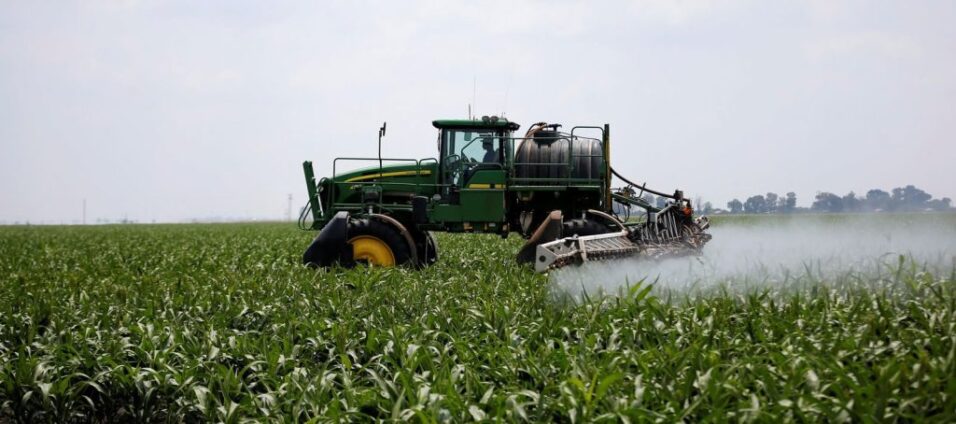
For more than 60 years, Northern Ghana's agricultural sector has been shackled by a single growing season, forcing millions of young farmers to abandon their fields after six months and seek survival in urban centres. Odarteifio estimates that between three and four million young people leave farming communities annually, engaging in precarious urban livelihoods including galamsey (illegal mining), kayayo (head-porterage), and other informal sector activities.
This pattern of seasonal unemployment and rural exodus has created a vicious cycle: young people cannot build sustainable agricultural businesses, rural communities lose productive labour, and cities struggle with underemployment and social pressures. Odarteifio's proposal directly targets this structural weakness by making irrigation infrastructure development the centrepiece of his youth leadership agenda.
The Irrigation Solution
Odarteifio's strategy hinges on presenting the Finance Minister with a concrete financing plan to address the irrigation deficit in Northern Ghana. His reasoning is straightforward: expanding irrigation systems would allow farmers to transition from single-harvest cycles to continuous production, fundamentally transforming agricultural economics in the region.
- Farmers could produce 12 months annually instead of six, doubling household incomes
- Young people would have viable long-term agricultural careers, reducing incentive to migrate
- Regional economies would strengthen through increased productivity and local spending
- Youth unemployment could be addressed through agribusiness opportunities beyond farming alone
Why It Matters for Ghana
Odarteifio's candidacy reflects growing recognition within Ghana's political establishment that youth unemployment and rural-urban migration are structural economic problems requiring practical solutions beyond rhetoric. Northern Ghana's agricultural potential remains largely untapped; the region possesses suitable climates, water resources, and labour but lacks infrastructure investment to unlock year-round production.
If implemented, such an irrigation programme could have national implications. It would demonstrate how targeted sectoral investment addresses youth employment while simultaneously boosting agricultural output, food security, and export potential. The proposal also signals a shift in NDC youth politics away from purely mobilisational activities toward development-focused economic projects.
However, Odarteifio faces competition from four other aspirants, including incumbent George Opare Addo. His lack of prior experience within the NDC's youth organisational structure—he has not held branch, constituency, or regional youth organiser roles—may disadvantage him among party loyalists who value internal experience. He has defended this apparent weakness by invoking Kwame Nkrumah's appointment as UGCC General Secretary despite lacking prior party positions, arguing that leadership capability matters more than organisational seniority.
Odarteifio brings civil activism, agribusiness consulting, and food-systems development experience to his candidacy, professional credentials that align with his irrigation-focused platform. His campaign appears pitched at offering the NDC youth wing a development-oriented alternative to traditional party politics, though whether party delegates prioritise practical solutions over organisational experience remains to be seen.
Source: MyJoyOnline
-1200x800.webp)

Comments (0)
Be the first to comment.