
National Labour Commission launches media partnership to educate Ghanaians on workplace rights
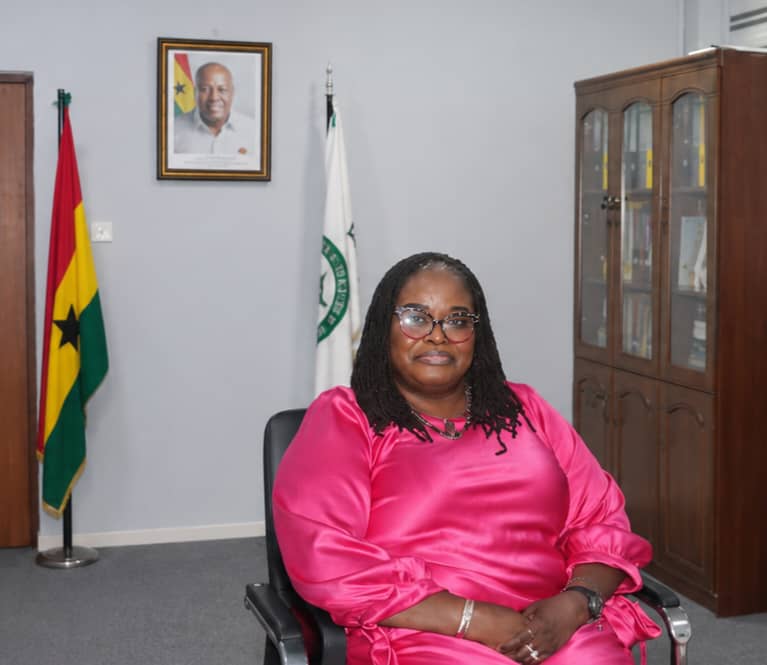

Ghana's National Labour Commission has taken a significant step to bridge the gap between workers, employers and the public by establishing a dedicated press corps aimed at improving awareness of the country's labour legislation and dispute resolution mechanisms.
The inauguration, held on Wednesday, July 22, 2026, represents a strategic move by the NLC to leverage media partnerships as a tool for public education on labour rights and industrial relations. The initiative reflects growing recognition that many Ghanaians—both workers and business owners—lack sufficient understanding of their legal protections and the formal processes available to resolve workplace conflicts.
Strengthening industrial peace through informed citizens
Dr Bernice Welbeck, Executive Secretary of the National Labour Commission, underscored the importance of the new press corps in promoting industrial stability across Ghana's economy. According to her remarks at the inauguration, the media partnership is designed to help sensitise Ghanaians on the Labour Act and ensure that both workers and employers understand the proper procedures for addressing disputes when they arise.
The commission's focus on education reflects a broader strategy: that informed parties are more likely to resolve conflicts constructively, reducing costly industrial actions and workplace tensions that can harm productivity. By working with journalists and news outlets, the NLC aims to ensure that accurate information about labour rights reaches workers in factories, offices, farms and informal businesses across the country.
Clarifying the NLC's role and limitations
Dr Welbeck also took the opportunity to clarify common misconceptions about what the commission does and does not do. The NLC's primary responsibility is to ensure fairness to both parties in a dispute, rather than favouring workers or employers. The commission mediates and adjudicates disputes through established legal procedures.
Importantly, the NLC does not negotiate wages, conditions of service or other employment terms between workers and their employers—that remains the responsibility of the parties themselves, sometimes with union involvement. Instead, the commission steps in when one party alleges that a previously agreed condition has been breached, investigating the claim and facilitating resolution.
Why it matters for Ghana
This initiative carries real significance for Ghana's workforce and economy. Many workers operate without clear understanding of their rights under the Labour Act, making them vulnerable to exploitation. Similarly, some employers may unknowingly breach labour standards due to lack of clarity on their obligations. The press corps aims to address this knowledge gap systematically.
By improving public literacy on labour law, the NLC's strategy could reduce preventable disputes, lower the burden on the commission itself, and help foster a culture of voluntary compliance with labour standards. This has particular importance as Ghana continues to develop its formal economy and grapple with informal sector challenges where labour protections are often weakest.
The partnership also signals the NLC's commitment to transparency and communication—qualities essential to building public trust in institutions responsible for protecting worker rights while maintaining fair treatment for businesses.
Source: Today GH




Comments (0)
Be the first to comment.