NALAG warns MMDAs: Citizens demand results, not promises—or lose trust
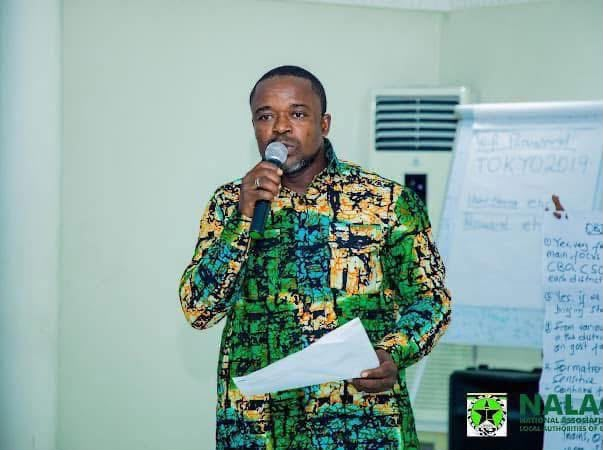
Ghana's local government institutions face a stark reckoning. The President of the National Association of Local Authorities of Ghana (NALAG), Alfred Asiedu Adjei, has delivered a forceful message to Metropolitan, Municipal and District Assemblies (MMDAs) across the country: citizens no longer accept political rhetoric and broken promises—they demand tangible results and transparent leadership or risk losing public trust entirely.
Speaking at the Ashanti Regional Conference of Presiding Members in Kumasi, Mr Adjei underscored a fundamental shift in how Ghanaians evaluate their local leaders. The days of Assembly officials relying on campaign speeches and vague commitments have passed. Communities are now judging their representatives by concrete improvements in roads, sanitation, healthcare, education, job creation and flood management—the real-world problems that affect daily life.
"Communities do not remember leaders for the offices they occupied. They remember them for the problems they solved," Mr Adjei stated, encapsulating the new reality facing local government.
What Citizens Now Expect from Local Leaders
The NALAG President challenged Presiding Members to reimagine their roles beyond simply chairing Assembly meetings. Real leadership, he argued, means driving consensus, ensuring every committee functions efficiently, and guaranteeing that decisions reflect the public interest and produce measurable community benefits.
Key expectations he outlined include:
- Transparency in how public resources are managed and spent
- Responsive governance that genuinely listens to citizen needs
- Visible improvements in essential services and infrastructure
- Accountability mechanisms that allow communities to track progress
- Inclusive decision-making that includes women, youth and persons with disabilities
Mr Adjei also stressed that restoring public confidence requires Assemblies to deepen citizen participation, strengthen financial accountability and openly report on how public funds are used. The credibility of local institutions, he made clear, now hinges on their ability to solve everyday problems rather than their administrative structures.
Why This Matters for Ghana's Development
This message carries significant implications for Ghana's broader development trajectory. Local government—operating through MMDAs—is responsible for service delivery at the grassroots level where most Ghanaians experience government. When these institutions fail, frustration builds rapidly and erodes faith in democratic institutions themselves.
Mr Adjei's warning reflects a growing reality: citizens across Ghana are increasingly frustrated with the gap between Assembly promises and on-the-ground delivery. Roads remain potholed, sanitation services are inadequate, healthcare facilities lack resources, and flooding continues to devastate communities despite repeated assurances. This disconnect is precisely what threatens public trust in local governance.
The NALAG President also advocated for structural improvements that could enhance performance: adopting digital technology, using data-driven planning, improving internally generated revenue mobilisation, and mainstreaming environmental sustainability and disaster preparedness. These are practical tools that, if deployed, could translate ambition into actual results.
Equally important is his call for better conditions for Assembly Members and Presiding Members themselves—timely allowance payments, adequate logistics and capacity building. Leadership cannot flourish in an environment of uncertainty and poor working conditions, and sustained public service requires officials who are motivated and properly resourced.
The underlying message is unambiguous: Ghana's national development depends entirely on whether local governments deliver. "When our Assemblies succeed, our districts succeed. When our districts succeed, our regions succeed. And when our regions succeed, Ghana succeeds," Mr Adjei said, articulating how local performance cascades upward to national progress.
For Ghanaians across all regions, the question is no longer whether their local Assembly leaders sound good in public speeches. It is whether they have produced the roads, healthcare, education, jobs and services that communities deserve. NALAG's message suggests the country is finally insisting on that accountability—and officials who ignore it do so at their political peril.
Source: MyJoyOnline




Comments (0)
Be the first to comment.