
NACOC Lebanon Cocaine Bust: Legal Expert Demands Video Evidence of 'Controlled Delivery' Operation


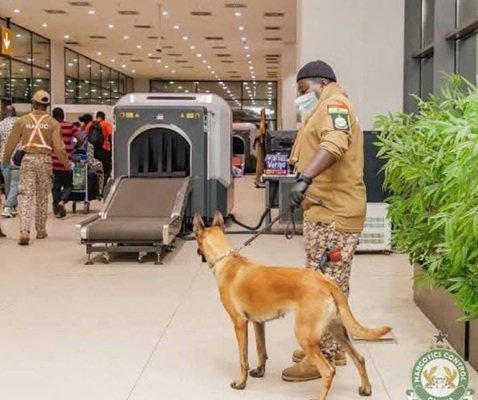
Questions are mounting over the transparency of a high-profile cocaine bust linked to Ghana's Narcotics Control Commission (NACOC), after a legal expert demanded to know why the agency's so-called "controlled delivery" operation was not captured on video. The controversy has thrust the anti-narcotics body into the spotlight at a time when Ghana's credibility in the global fight against drug trafficking is under scrutiny.
What happened?
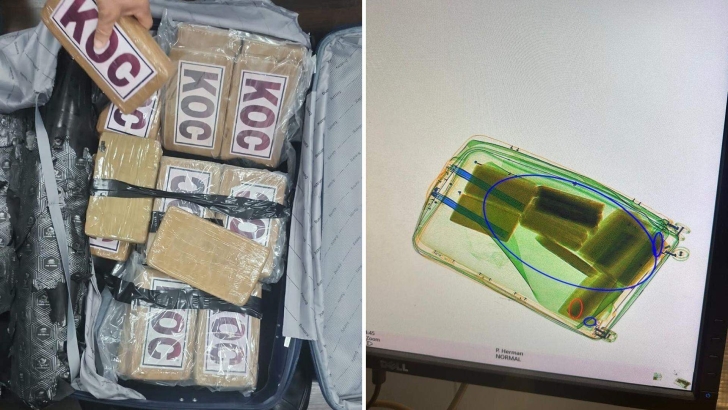
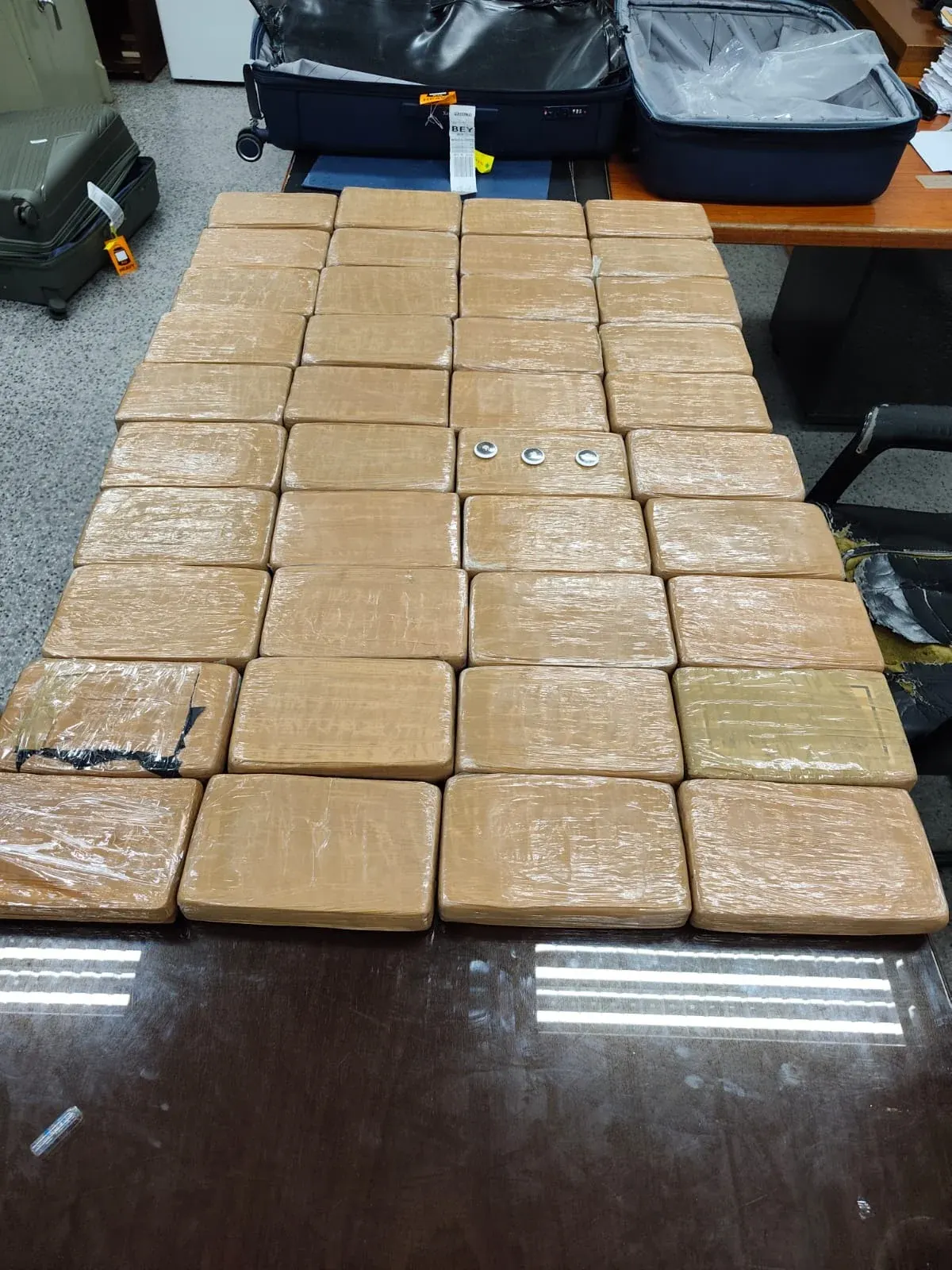
Alexander Twum-Barimah, Deputy Director General of the Narcotics Control Commission of Ghana, has confirmed that the Director General of NACOC personally sanctioned a controlled delivery operation and subsequent drug-related arrests in Lebanon. A controlled delivery is a law enforcement technique in which authorities allow an illicit consignment — in this case, cocaine — to continue along its intended route under surveillance, with the aim of identifying and apprehending the wider criminal network involved.
While the confirmation of the operation's approval by NACOC's top leadership might be expected to put questions to rest, it has instead opened a fresh line of inquiry. Legal practitioner Philip Kpebu has raised pointed concerns about the absence of video documentation from the operation, arguing that such evidence would be standard practice for a legitimate controlled delivery exercise and critical to any subsequent prosecution.
Why it matters for Ghana
Ghana has long faced international concern about its role as a transit point for narcotics moving between South America, West Africa and Europe. Operations of this scale — involving international partners and arrests on foreign soil — are therefore significant not only for domestic law enforcement credibility but also for Ghana's standing with international anti-narcotics bodies such as the United Nations Office on Drugs and Crime (UNODC).
Kpebu's challenge goes to the heart of due process. Without video or other verifiable documentation, he argues, it becomes difficult to establish a clean chain of evidence that could withstand scrutiny in court. The absence of footage also raises broader concerns about accountability within NACOC itself — an institution whose operations are largely opaque to the Ghanaian public.
The fact that the arrests were made in Lebanon adds a layer of diplomatic and jurisdictional complexity. Cross-border controlled deliveries require meticulous documentation precisely because multiple legal systems and international agreements are involved. Any gap in the evidentiary record could potentially be exploited by defence lawyers to challenge the legality of the arrests or the admissibility of evidence.
What comes next?
NACOC has yet to provide a detailed public response to Kpebu's specific question about video evidence. The Commission's willingness — or reluctance — to address this point directly will likely determine how the story develops in the coming days. Civil society groups and legal professionals are expected to maintain pressure on the agency for greater transparency.
- For ordinary Ghanaians, the case is a reminder of the sophisticated and often murky world of international drug interdiction, where the line between a successful sting and a botched operation can hinge on procedural details that may never be fully made public.
- It also underscores the importance of institutional accountability: if NACOC is to command public trust, it must demonstrate that its operations are conducted lawfully, documented thoroughly and subject to independent oversight.
- Parliament's relevant committee may well be called upon to request a full briefing from the Commission, particularly given that the Director General reportedly sanctioned the operation personally.
As the debate continues, the central question posed by Kpebu remains unanswered: in an age when virtually every law enforcement operation of significance is recorded, why was this one not?
Source: 3News


Comments (0)
Be the first to comment.