Mourinho faces real test at Madrid: can he fix midfield control and defensive lapses?
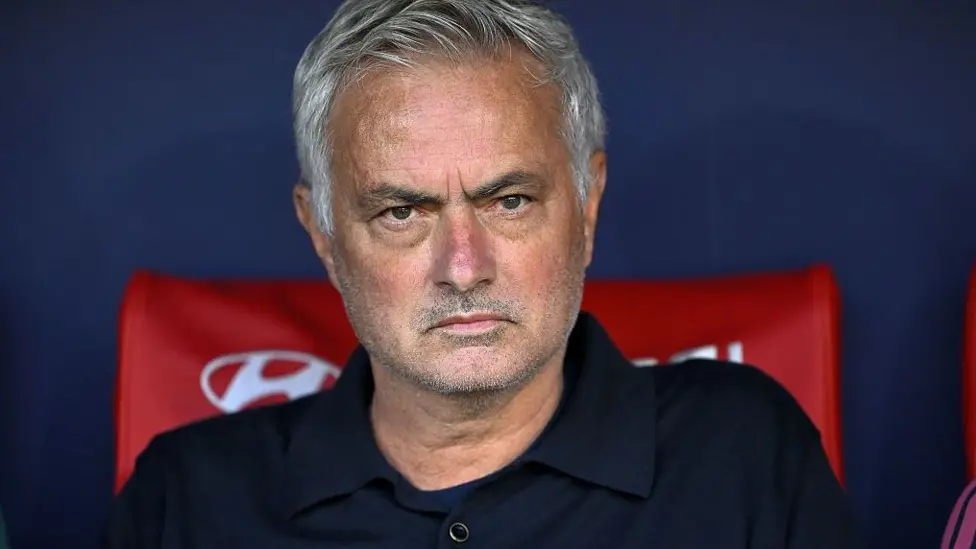
José Mourinho's second spell at Real Madrid has hit a familiar stumbling block just seven league matches in. After 13 years away, the Portuguese coach returned to the Bernabéu with a three-year contract and clear instructions to restore both stability and silverware following two trophyless seasons. Instead, a derby defeat to Atlético Madrid has already triggered questions about consistency and tactical approach—a reminder that even elite managers face steep climbs when bridging expectations and reality.
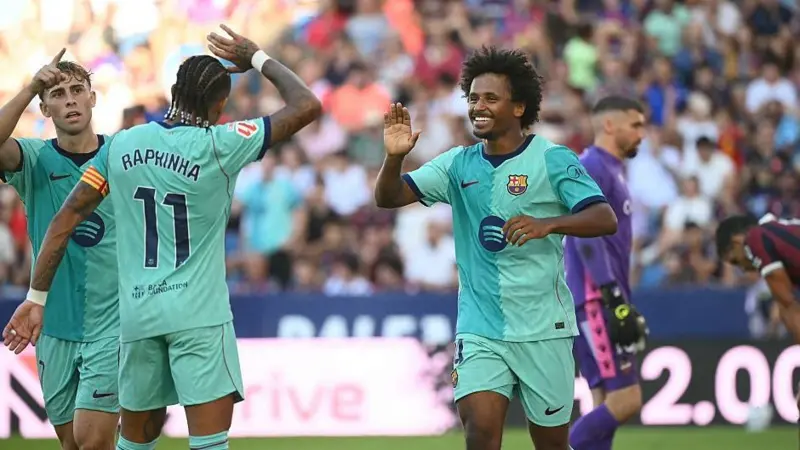
The loss leaves Madrid fourth in La Liga, six points adrift of defending champions Barcelona, who have won all seven matches and scored 31 goals. Atlético sit second, Real Betis third, both five points clear of Madrid. History offers little comfort: the only time Madrid overturned a six-point deficit to Barcelona at the summit was Fabio Capello's 2006-07 title win. With a rare three-week international break ahead before facing Villarreal on 10 October and Barcelona two weeks later, Mourinho has time to reassess—but the clock is ticking.
The tactical knot: midfield control and balance
Against Atlético, Mourinho deployed Aurélien Tchouameni alongside Federico Valverde in midfield, with Jude Bellingham pushed further forward. The pairing provided energy and defensive solidity, yet Madrid never seized control of tempo or created meaningfully from deeper positions. Bernardo Silva appeared for the final eight minutes, by which point the match was already lost.
Here lies a core dilemma. Against compact defences, Madrid lack the creative orchestration required to unlock tight spaces. Silva's ability to dictate rhythm and Arda Güler's forward creativity represent obvious solutions, but abandoning the double pivot carries its own risks. Mourinho must discover the equilibrium—enough defensive cover to prevent the transitions that undid Madrid against Atlético, yet enough ball-playing intelligence to control matches rather than simply react to them.
Unlocking the attack: three stars, one system
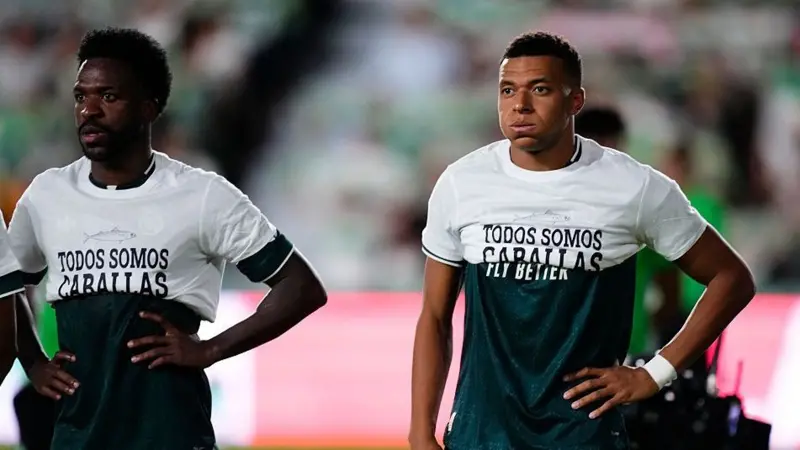
Madrid's forward line boasts Kylian Mbappé, Vinícius Jnr and Bellingham—each capable of winning matches independently. Yet against Atlético, that firepower misfired badly. Mbappé was starved of possession and largely anonymous. Vinícius was withdrawn early after Dean Huijsen's red card. Bellingham's excellence at carrying the ball and arriving late in the box—bridging midfield and attack—went underutilised.
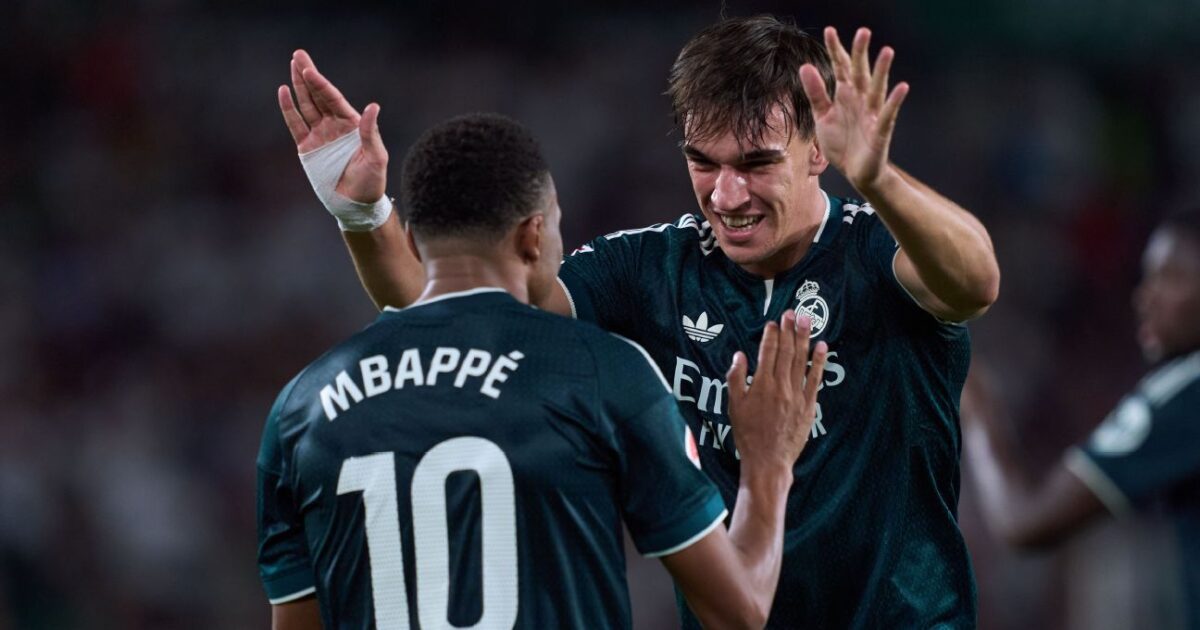
The challenge is not talent; it is orchestration. Vinícius must rediscover the explosive directness that makes him nearly impossible to defend. Mbappé needs consistent service rather than asked to manufacture his own opportunities. Bellingham's late runs need proper feeding. An intriguing wildcard exists in Carlos Espí, the 21-year-old who scored twice in stoppage time on his league debut (against Espanyol and Elche). His ruthless finishing when given chances suggests Mourinho has a further option—particularly when Madrid need a focal point late in matches.
Why it matters for Ghana
Mourinho's Madrid reshuffle holds no direct Ghanaian angle, yet the broader narrative resonates with African football followers. Real Madrid remains football's global benchmark—watched closely by Ghanaians and across the continent. Bellingham's emergence as a world-class talent, the chemistry between multiple generational talents, and Mourinho's ability to stabilise elite clubs offer lessons studied at every level of the game. For Ghanaian fans and academy coaches, Madrid's struggles this season—how a coach with Mourinho's pedigree adapts tactics, manages egos, and constructs team balance—serve as a masterclass in the gap between individual brilliance and collective success.
Defensive fragility in transition
The final, damaging concern emerged from how Madrid surrendered possession. Atlético repeatedly exploited space around Madrid's midfield to launch rapid counter-attacks. Huijsen's early red card exacerbated the problem, yet the root issue predates the dismissal. If Mourinho intends to press aggressively and commit bodies forward—a trademark of his philosophy—then Tchouameni and Valverde must provide sufficient defensive cover when Madrid lose the ball. Against Barcelona and in the fixtures ahead, that vulnerability cannot persist.
The three-week break offers Mourinho a rare opportunity to step back, plan methodically, and recalibrate. Yet the clock is moving. Barcelona set the standard; Madrid must narrow a widening gap before it becomes insurmountable.
Source: The Ghana Report
-674x455.webp)
Comments (0)
Be the first to comment.