Miracles Aboagye Denies EOCO Account Freeze, Says No Official Communication Received
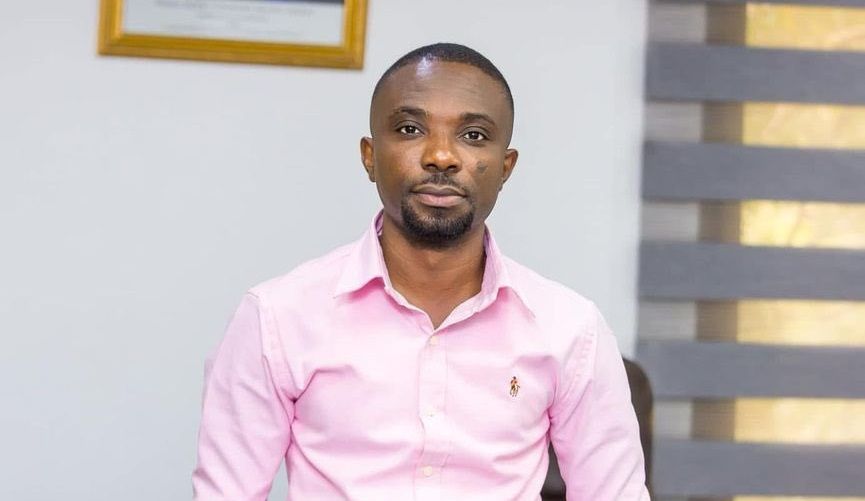
Dennis Miracles Aboagye has rejected claims that the Economic and Organised Crime Office (EOCO) has frozen his bank accounts, insisting he has received no official communication from the investigative agency regarding such action.
The statement comes amid reports suggesting his accounts were subject to freezing orders, a development that would typically signal an ongoing investigation or legal proceedings. Aboagye's denial raises questions about the accuracy of earlier reports and underscores the importance of verifying such claims through official channels.
What We Know So Far
While reports had circulated about account freezes, Aboagye's position is that without formal notification from EOCO, he cannot confirm the validity of these claims. Bank account freezes are serious regulatory actions usually undertaken as part of investigations into financial crimes, money laundering, or other economic offences. Such measures typically require official documentation and communication with the account holder or their legal representatives.
The absence of direct communication from EOCO suggests either that the reports were premature, incorrectly sourced, or that formal notification may still be pending. In Ghana's legal framework, individuals subject to such orders generally have rights to be informed and to seek clarification through appropriate legal channels.
Why This Matters for Ghana
This incident highlights broader concerns about the accuracy of financial crime reporting in Ghana and the importance of distinguishing between unverified claims and confirmed regulatory actions. EOCO plays a critical role in combating economic crimes and organised crime in the country, and public confidence in its work depends on transparency and proper procedures.
When reports of account freezes circulate without official confirmation, they can significantly damage reputations and create public confusion about ongoing investigations. For Ghanaians and businesses operating in the country, this underscores the need for caution when consuming news about such sensitive matters—verification through official sources is essential before drawing conclusions.
Additionally, this situation reflects the wider challenge of managing information flow during active investigations. While investigative agencies must protect the integrity of their work, the public also has a legitimate interest in understanding actions that affect individuals and the business community. Clear communication protocols help maintain both investigative effectiveness and public trust.
Next Steps
Moving forward, clarity from EOCO regarding whether any formal action has been taken would help settle the matter definitively. If investigations are ongoing, standard procedures should ensure that any regulatory measures are properly communicated to affected parties. For Aboagye, pursuing official confirmation or clarification through appropriate legal channels would be the logical next step to address the reports publicly and conclusively.
This case serves as a reminder of the importance of reliable, fact-based reporting on matters involving law enforcement and financial regulation in Ghana.
Source: 3News



Comments (0)
Be the first to comment.