Minister calls on Ghana's youth to lead community drain-cleaning drive against flooding

Ghana's Youth Development Minister has issued a direct appeal to young people across the country to step up and take active roles in preventing flooding by participating in regular community drain-cleaning initiatives. Mr. Opare Addo made the call while emphasising that such efforts represent both a practical response to the nation's recurring flood challenges and an expression of patriotic duty.
The minister's message signals a shift toward community-led solutions for one of Ghana's most persistent environmental problems. Flooding has affected multiple regions in recent years, causing significant property damage, disrupting livelihoods, and in some cases claiming lives. While infrastructure investment remains essential, Opare Addo's appeal highlights the critical role grassroots participation can play in mitigating flood risk.
Why it matters for Ghana
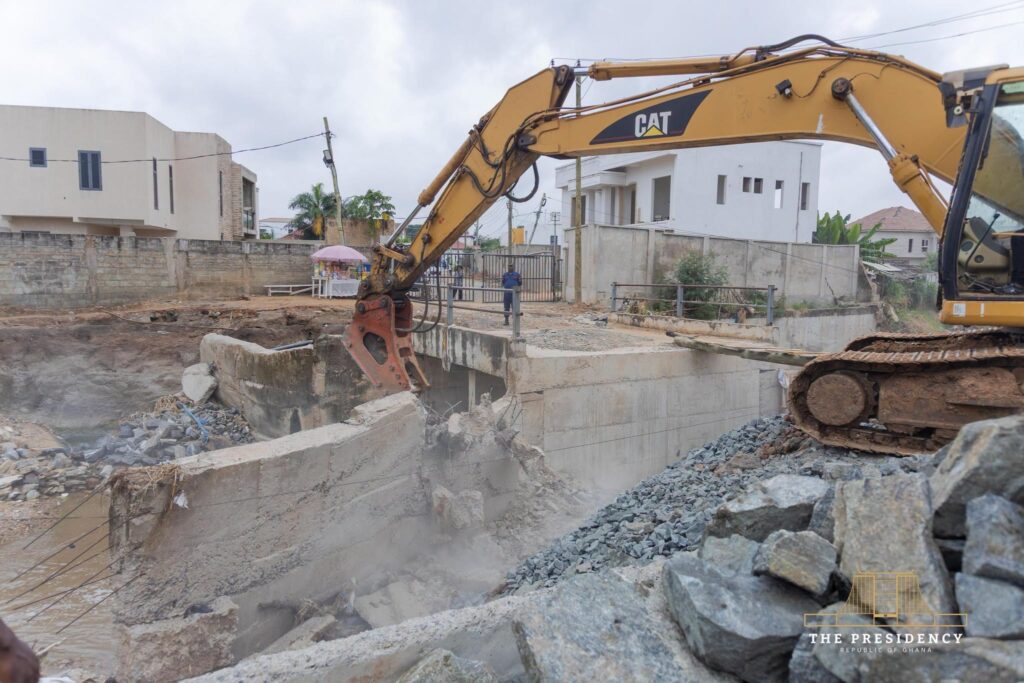
Ghana experiences seasonal flooding that disproportionately impacts low-income urban communities and informal settlements. Clogged drainage systems—often blocked by accumulated waste, vegetation, and debris—exacerbate the problem significantly. When heavy rains occur, blocked drains prevent water from flowing properly, causing rapid accumulation in streets and homes. Young people, who comprise a substantial portion of Ghana's population, represent an untapped reservoir of energy and organisational capacity that could address this issue at the community level.
Beyond the immediate flood prevention benefit, the minister's call taps into broader themes of civic engagement and youth empowerment. By mobilising young Ghanaians around environmental and public health challenges, communities can build social cohesion, develop practical skills, and create a culture of collective responsibility. This aligns with sustainable development principles that emphasise local action as foundational to national progress.
Building momentum for lasting change
For the minister's appeal to translate into sustained action, several elements will be important:
- Clear coordination: Communities need organised schedules and designated areas for drain-cleaning exercises to maximise impact and prevent duplication of effort.
- Support and recognition: Providing basic equipment (gloves, rakes, collection bins) and acknowledging youth contributions publicly can sustain motivation over time.
- Integration with formal planning: Community efforts should complement municipal waste management strategies and infrastructure upgrades planned by local government authorities.
- Education: Pairing cleanup exercises with awareness campaigns about proper waste disposal can address root causes of drain blockage.
The bigger picture
The minister's statement reflects a growing recognition that flood mitigation requires both top-down infrastructure investment and bottom-up community action. Ghana's Environmental Protection Agency and various local government assemblies have undertaken drain rehabilitation projects, but the scale of the challenge means that regular maintenance by residents remains essential. Young people's participation is particularly valuable because they can establish habits and norms around environmental stewardship that benefit communities long-term.
For the appeal to succeed, it will need to move beyond rhetoric toward concrete organisation and sustained effort. Communities that have successfully reduced flooding through coordinated drain management demonstrate that when young people are mobilised with clear purpose and adequate support, meaningful change is achievable. The question now is whether local authorities, NGOs, and youth groups will capitalise on this ministerial call to create structured, ongoing programmes that keep Ghana's drains flowing and communities protected.
Source: 3News

Comments (0)
Be the first to comment.