Manhyia South NPP demands EOCO apology over MP's attempted arrest amid parliamentary privilege row
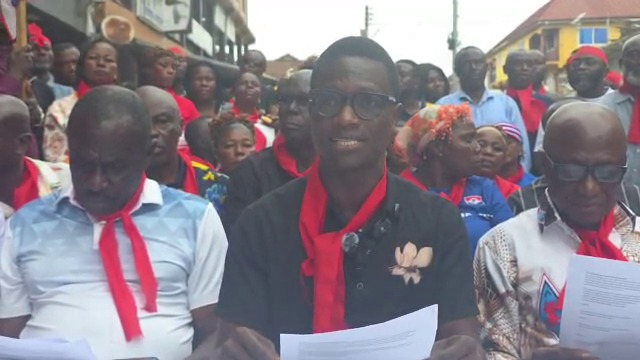
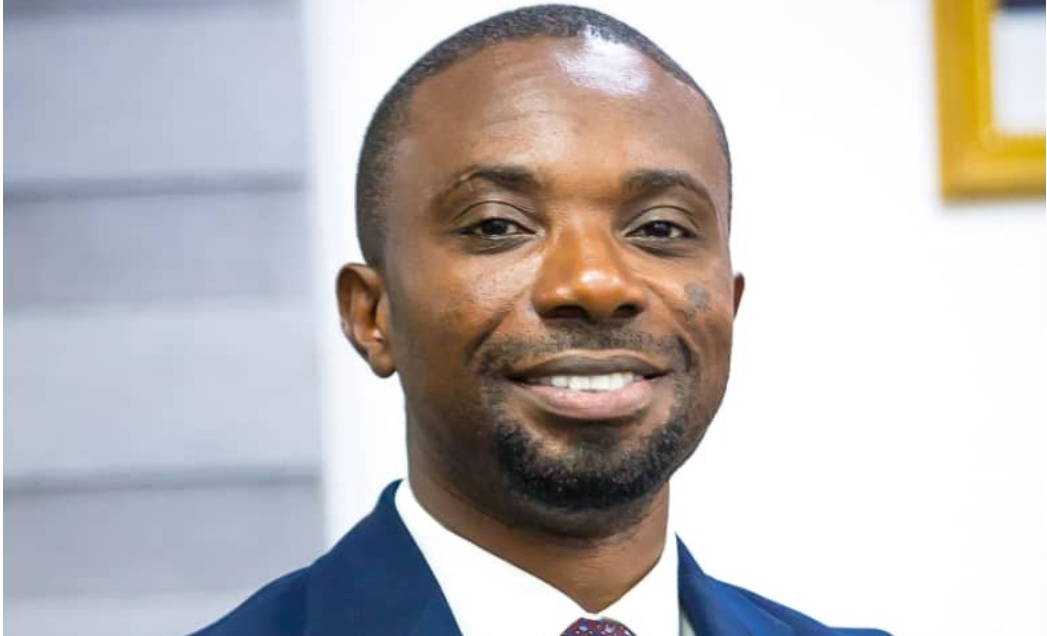
Members of the New Patriotic Party in Manhyia South Constituency have demanded a formal apology from the Economic and Organised Crime Office following what they characterise as an unlawful attempt to arrest their Member of Parliament, Nana Agyei Baffour Awuah. The incident has ignited a broader debate about parliamentary privileges and the boundaries of state security agency authority in Ghana.
The attempted arrest occurred when the MP attended the High Court for a bail hearing related to his client Salormey Awiti Baffoe, who is being detained on allegations linked to content creator Ghana Jollof. According to party officials, the MP resisted the apprehension after the officer failed to produce credentials confirming he was an EOCO operative, raising questions about proper identification and arrest procedures.
At a press conference on Monday, 28 September, constituency executives and party members, dressed in black with red armbands, condemned what they described as a breach of protocol governing arrests by state security agencies. Joseph Appiah, the constituency's Communication Officer, declared that the party would not tolerate such treatment of its elected representative.
The Invitation Row and Legal Defence
EOCO had claimed the MP failed to honour an invitation dating back to February this year. However, the Manhyia South MP has disputed this assertion, clarifying that the invitation was addressed to his law firm rather than to him personally. This distinction carries legal weight, as it suggests EOCO may have conflated institutional and personal communication channels.
The incident underscores tensions between law enforcement and parliamentary representation in Ghana. By defending a client in court proceedings, the MP was exercising a fundamental aspect of his legal practice. The attempt to arrest him during this legitimate activity has raised concerns about whether security agencies are overstepping bounds or whether proper protocols were followed.
As part of the constituency's formal response, Appiah called for a parliamentary inquiry into both the alleged breach of the MP's parliamentary privileges and the conduct of the EOCO officers involved. He further urged all state security institutions to uphold due process and refrain from arbitrary harassment of politicians and ordinary citizens alike.
Why it matters for Ghana
This episode highlights a recurring tension in Ghanaian politics: the balance between legitimate law enforcement and the protection of parliamentary privileges. Parliamentary privilege—the right of elected representatives to operate without fear of arbitrary arrest or harassment—is a cornerstone of democratic accountability. When security agencies attempt to detain MPs without clear legal grounds or proper procedure, it raises fundamental questions about the rule of law and institutional independence.
The reference to Okyeame Baffour Akoto, a historical defender of human rights from the same constituency, signals that constituents view this incident through the lens of democratic protection. The demand for adherence to due process reflects broader public concern about state security overreach and the need for stronger safeguards against political persecution.
For Ghana's democratic institutions to function effectively, citizens must have confidence that MPs can discharge their duties—including legal defence of clients—without fear of unlawful state interference. The outcome of this dispute may set a precedent for how future interactions between EOCO and Parliament are managed, making it significant beyond the immediate parties involved.
The constituency's formal call for parliamentary inquiry suggests this matter is unlikely to fade quietly, potentially leading to wider discussions about arrest procedures, agency accountability, and the protocols governing state security operations in a democratic context.
Source: MyJoyOnline
Comments (0)
Be the first to comment.