Madina-Lakwantanang Assembly tackles classroom shortage with desk distribution and new construction drive

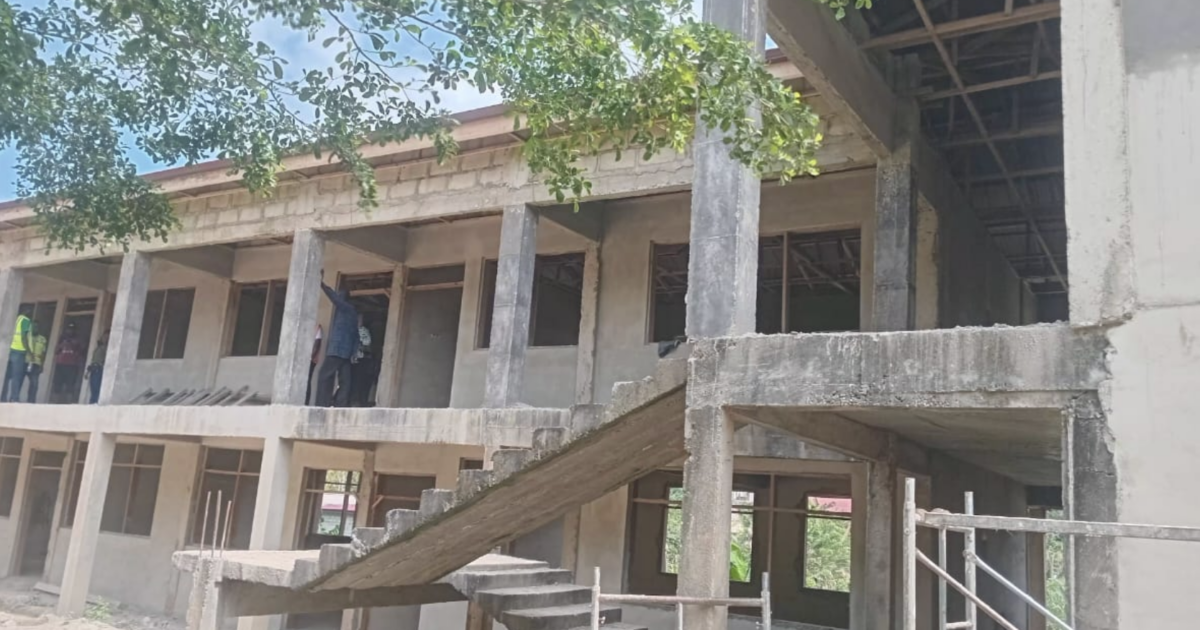
The Madina-Lakwantanang Assembly is making tangible strides to address long-standing infrastructure challenges that have hindered quality education delivery in the district. The Assembly has begun distributing desks to basic schools whilst simultaneously launching a construction initiative aimed at ending the shift system that has plagued many educational institutions in the area.
This dual-pronged approach, funded through the District Assemblies Common Fund (DACF), represents a significant investment in the district's educational infrastructure. The desk distribution programme directly addresses immediate classroom resource gaps, whilst the ongoing construction of new classroom blocks tackles the root cause of overcrowding that necessitates the shift system.
The shift system challenge in Ghana's schools
The shift system—where schools operate two or more sessions daily to accommodate more students than available classroom space allows—remains a persistent problem in many Ghanaian districts. This arrangement compromises teaching quality, reduces effective instructional time, and puts pressure on teachers and learners alike. Students attending afternoon sessions often lose concentration due to fatigue, whilst teachers conduct repetitive lessons with limited time for engagement or remedial work.
For the Madina-Lakwantanang Assembly, tackling this issue reflects a broader commitment to ensuring that all pupils have access to adequate learning facilities. The combination of providing essential furniture and expanding physical infrastructure suggests a comprehensive understanding of what quality education requires.
Why it matters for Ghana
Ghana's education sector continues to grapple with infrastructure deficits, particularly in rapidly developing urban and peri-urban areas where population growth outpaces school construction. The Madina-Lakwantanang initiative offers a practical model for how district assemblies can deploy DACF resources to address these gaps systematically.
The focus on eliminating the shift system aligns with Ghana's commitment to the Sustainable Development Goal on quality education, whilst also supporting the government's broader educational transformation agenda. When students learn in adequately equipped classrooms with proper furniture and space, literacy outcomes, attendance rates and overall academic performance improve measurably.
For parents and communities in the district, these investments signal responsiveness to their concerns. Infrastructure improvements increase school enrolment, enhance the learning environment and reduce the stress on families juggling multiple schedules.
DACF deployment for sustainable impact
The use of the District Assemblies Common Fund for this project demonstrates how locally generated and centrally allocated resources can be redirected toward immediate educational needs. Successful implementation will likely inspire similar initiatives across other districts facing comparable challenges.
Key to the success of this programme will be ensuring that construction timelines are met, desks are of adequate quality and durability, and that maintenance systems are established to sustain these improvements over time. Regular monitoring and community engagement will be essential to track progress and address any implementation bottlenecks.
The Madina-Lakwantanang Assembly's efforts come at a critical time when many Ghanaian parents are increasingly demanding better learning conditions for their children, making these infrastructure improvements a timely response to growing community expectations.
Source: 3News



Comments (0)
Be the first to comment.