Ahafo Ano South West Assembly Denies Classroom Block Demolition Claims Amid Market Project Controversy

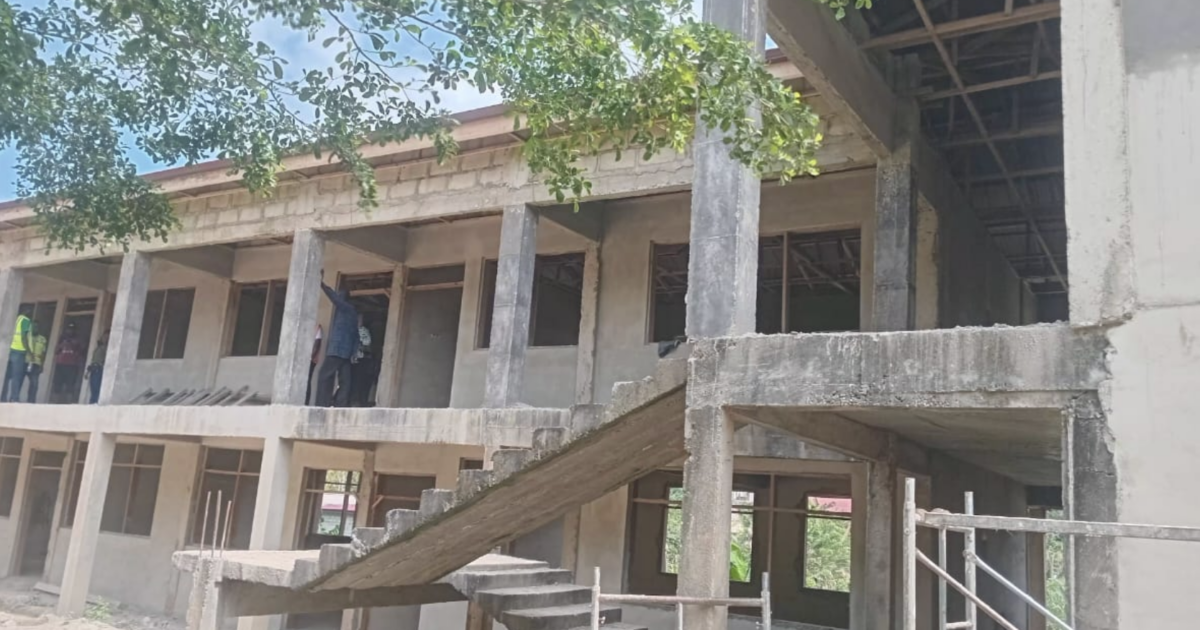
The District Chief Executive of Ahafo Ano South West, Abubakar Sedik, has firmly rejected allegations that a classroom block was demolished to make way for a 24-Hour Market project in the district, labelling the claims as false, misleading and driven by political motives.
The denial comes amid concerns within the community about the prioritisation of commercial infrastructure over educational facilities, a recurring tension in Ghana's local governance landscape where limited resources often pit development projects against essential school infrastructure.
The Allegations and Official Response
Reports circulating in the Ahafo Ano South West district claimed that educational infrastructure was being dismantled to facilitate the construction of a modern market facility. The DCE's swift rebuttal suggests the claims have gained traction in the community, prompting the need for an official statement to manage public perception and restore confidence in local government decision-making.
Sedik's characterisation of the allegations as politically motivated indicates deeper tensions, possibly related to opposition to the market project itself or broader disputes between the assembly and certain community segments. Such political undercurrents are not uncommon in Ghana's district-level politics, where infrastructure projects often become flashpoints for partisan disagreement.
Why This Matters for Ghana
This incident reflects a broader challenge facing Ghana's local government system: the balance between economic development and educational investment. As districts pursue revenue-generating projects like markets to boost internally generated funds (IGF), concerns inevitably arise about whether education—a critical development priority—is being compromised.
The situation also underscores the importance of transparency in local governance. When communities lack clear, accessible information about major projects, speculation and misinformation fill the vacuum. Ghana's decentralisation agenda depends on strengthened communication between district assemblies and constituents to build trust and ensure informed public participation in local decision-making.
Additionally, this dispute highlights the challenge of distinguishing fact from political rhetoric in Ghana's local politics. Citizens and media must engage critically with claims and counterclaims, demanding documented evidence and official project details rather than relying on unverified assertions from any side.
Moving Forward
The DCE's denial, while clear, would be strengthened by concrete evidence: detailed project documentation, site plans, independent verification, and transparent community engagement on the market development. Ghanaian assemblies that have successfully managed controversial projects typically do so through proactive communication, community consultations, and published timelines and budgets.
As the Ahafo Ano South West Assembly pursues its development agenda, maintaining institutional credibility should be paramount. Whether the allegations are baseless or not, the controversy itself signals a need for improved public communication and inclusive planning processes at the district level.
Source: 3News



Comments (0)
Be the first to comment.