Lawyer Kpebu admits own role in Ghana's toxic political discourse, calls for national dialogue
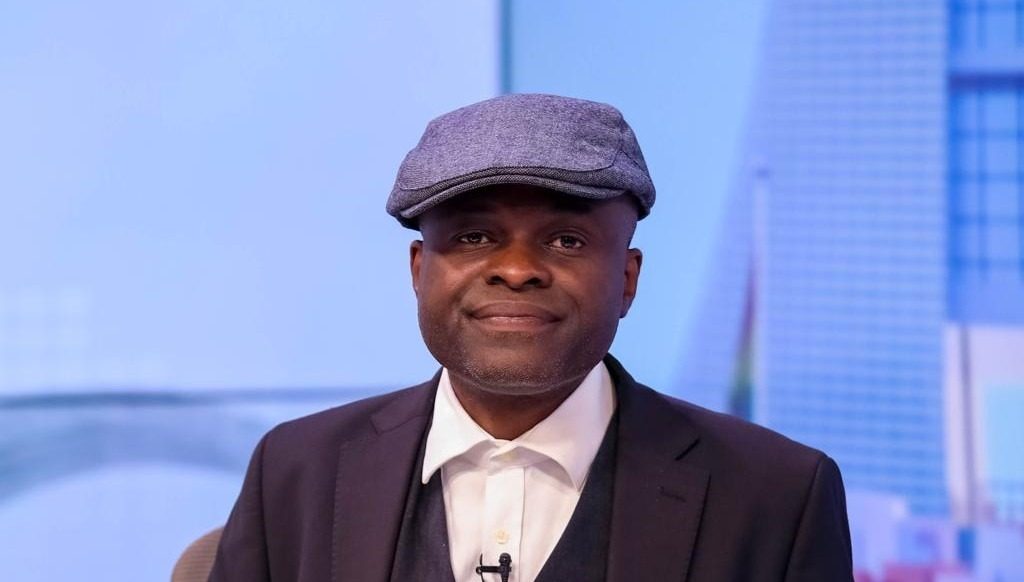
Senior lawyer Martin Kpebu has broken ranks with many political commentators by publicly accepting his share of responsibility for Ghana's increasingly acrimonious political language, whilst advocating for a comprehensive national conversation to address the problem rather than relying on arrests and prosecutions.
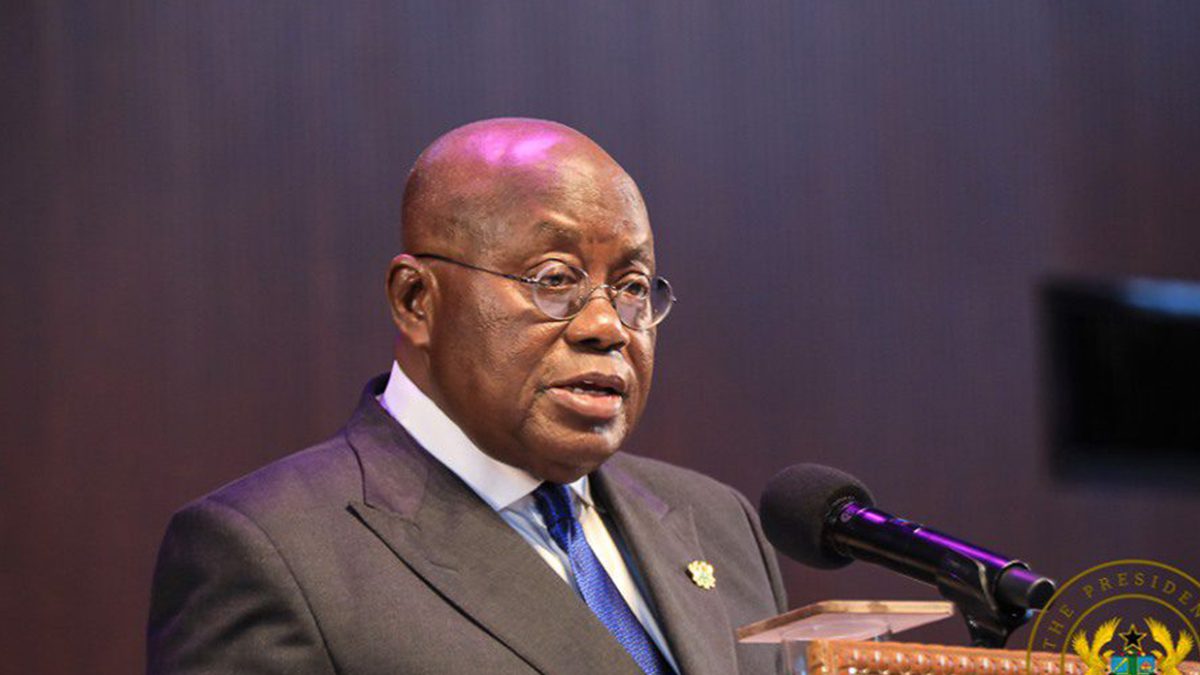
Kpebu's candid admission comes at a moment when Ghana's political environment has become noticeably more hostile, with inflammatory language becoming commonplace across party lines and social media platforms. In an interview, the legal practitioner recalled his own past use of derogatory terms, specifically referencing his description of former President Nana Akufo-Addo as "Manpam", acknowledging that he too has contributed to the corrosive political culture he now critiques.
A problem affecting all sides
Rather than attributing Ghana's political insult crisis to a single party or faction, Kpebu emphasised that the problem is systemic and cross-party. He pointed to examples from across the political spectrum, noting that President John Dramani Mahama has also used contentious language, including the controversial "Akyem mafia" description that sparked significant debate.
This balanced perspective is significant because it challenges the tendency of political actors to blame opponents exclusively whilst overlooking their own conduct. Kpebu's willingness to name his own transgressions demonstrates that the culture of abusive language has become so normalised that even legal professionals and opinion shapers have participated in it.
Why it matters for Ghana
Ghana prides itself as a beacon of democracy and relative political stability in West Africa, yet the deterioration of public discourse threatens this reputation. The arrest of individuals linked to the "Ghana Jollof" TikTok account—including a senior nursing officer remanded for allegedly abetting crime—illustrates how authorities are attempting to police political speech through the criminal justice system.
Kpebu's argument that prosecutions alone cannot solve the deeper cultural problem carries weight. Ghana's courts and police cells are increasingly being used as tools to punish political expression, raising concerns about freedom of speech and the sustainability of using law enforcement to manage political tensions. His proposal for a national dialogue reflects a growing recognition among thoughtful observers that Ghana needs systemic solutions, not just legal ones.
The challenge is particularly urgent because social media has amplified political insults exponentially. Inflammatory language that might once have remained confined to parliamentary exchanges or media opinion pieces now reaches millions instantly, often sparking offline tensions. This technological acceleration of political discourse demands that Ghanaians develop new norms and boundaries collaboratively.
A call for structured boundaries, not censorship
Kpebu carefully distinguished between protecting political criticism and establishing limits on abusive language. He argues that the goal should not be to prevent politicians and commentators from disagreeing robustly, but rather to create agreed-upon standards that maintain the integrity of public debate whilst preventing statements designed primarily to insult or incite harm.
Such a national conversation would require buy-in from political parties, civil society organisations, media practitioners, religious leaders and ordinary citizens. It would need to produce not legislation necessarily, but a social consensus about what constitutes acceptable political engagement in a democratic society.
For Ghana's democracy to mature and strengthen, this kind of introspection and willingness to acknowledge shared responsibility—as Kpebu has done—must become more common. The alternative is a political environment where every election cycle brings fresh tensions, arrests multiply, and public trust in democratic institutions erodes further.
Source: The Ghana Report

Comments (0)
Be the first to comment.