
Kwetey open to government role but insists it must not be full-time
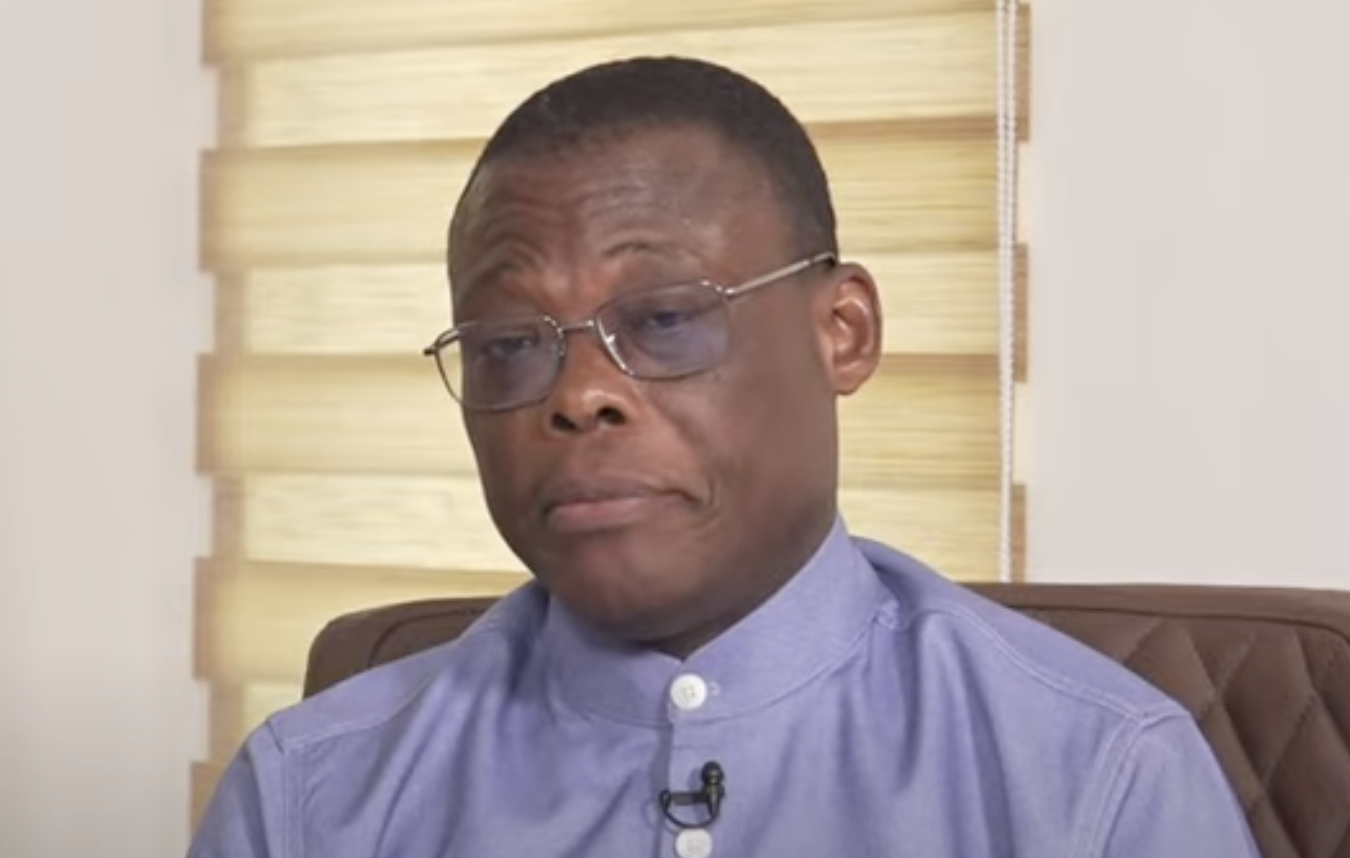

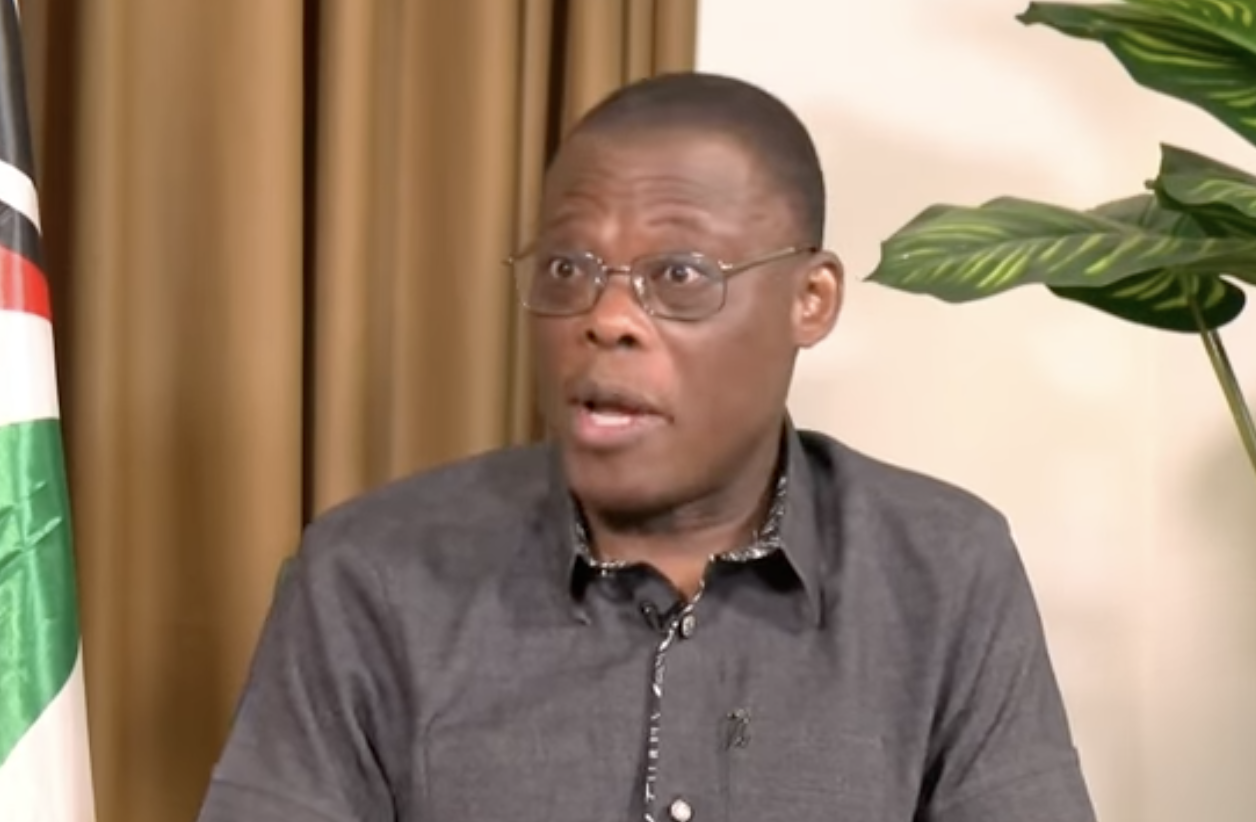
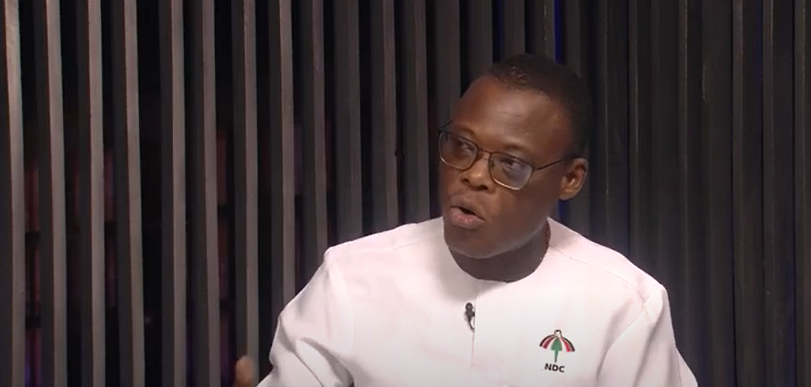
National Democratic Congress (NDC) General Secretary Fifi Fiavi Kwetey has revealed he would not turn down a government appointment — but only on one condition: it must not be a full-time commitment. Speaking on Joy News' PM Express on Tuesday, Kwetey addressed what has become a notable absence, given the tradition of NDC and NPP general secretaries often holding board chairmanship roles alongside their party duties.
Freedom without a portfolio
Kwetey was candid about the fact that he has not been offered a government appointment under the current NDC administration, noting that his national chairman holds such a position while he does not. Rather than expressing grievance, however, he framed the situation as one that has worked in his favour.
"There are so many people who do not have any position. I have a position as general secretary. It gives me liberty to be able to fully concentrate also on the party," he said.
He explained that operating outside government has freed him to speak his mind without calculating whether his words will sit well with those in power. "Is somebody happy in government? Is somebody happy at the presidency? It's not my consideration. I do what I believe to be right for party, and it's fine," he stated.
Kwetey stressed that he had not actively lobbied for any government role. His singular focus, he said, had been ensuring the NDC's return to power — a mission he now channels into managing the party's day-to-day affairs as its chief executive.
Why a board chairmanship could complicate things
Kwetey offered a thoughtful explanation for why combining the general secretaryship with a board chairmanship, the most common form of government appointment for party officials, could create an awkward dynamic. As General Secretary, he serves as the party's chief executive and manages its relationship with the sitting government. A board chairmanship, on the other hand, would place him directly under a sector minister.
The problem, he argued, is that the same minister would ordinarily be expected to work through the party's general secretary on certain matters. "That minister actually is supposed to effectively be reporting to you as general secretary. So it's a bit of a conundrum itself on its own," he said. This blurring of authority, in his view, could undermine both roles rather than strengthen either.
What this means for Ghanaian politics
Kwetey's remarks shed light on a broader tension within Ghana's political structure — one where the lines between party leadership and government service have historically been blurred. Across both the NDC and the New Patriotic Party (NPP), it has been standard practice for senior party officials to receive government appointments, particularly board positions, when their party is in power. Critics argue this arrangement can compromise the independence of party oversight, while supporters see it as a way to reward loyalty and keep experienced hands engaged in national affairs.
By choosing — or accepting — a path without a government title, Kwetey positions himself as a party man first, one whose authority derives from the grassroots rather than a ministerial portfolio. Whether that independence translates into greater influence within the NDC or limits his access to resources and decision-making circles remains to be seen.
He also used the platform to appeal to party members more broadly, urging them to serve the NDC out of genuine conviction rather than the prospect of personal reward. "We need to encourage a lot more people in the party to do what they do fundamentally because they want the party to be strong," he said — a message that carries particular weight as the NDC settles into governance following its return to power.
Source: MyJoyOnline

Comments (0)
Be the first to comment.