Ho fire: GNFS halts spread of Market Road blaze, warns residents on electrical safety
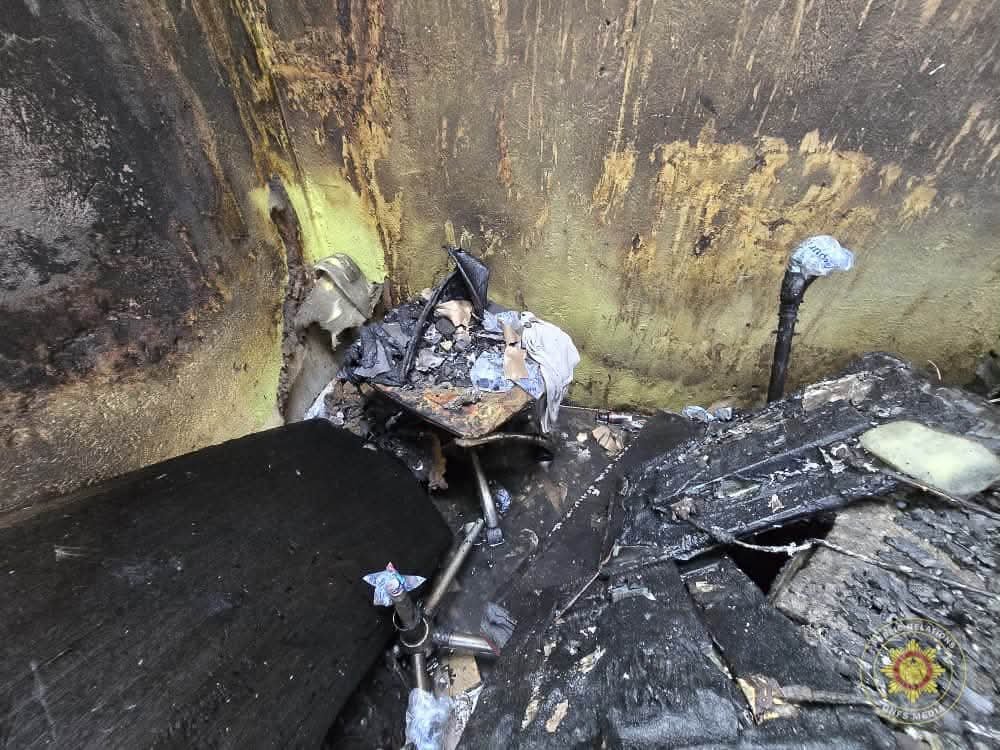
The Ghana National Fire Service (GNFS) has averted what could have been a devastating commercial disaster after swiftly containing a domestic fire that broke out on Market Road in Ho on Monday morning. The rapid response prevented the flames from engulfing several adjoining businesses and highlighted the critical role of swift emergency intervention in densely populated trading areas.
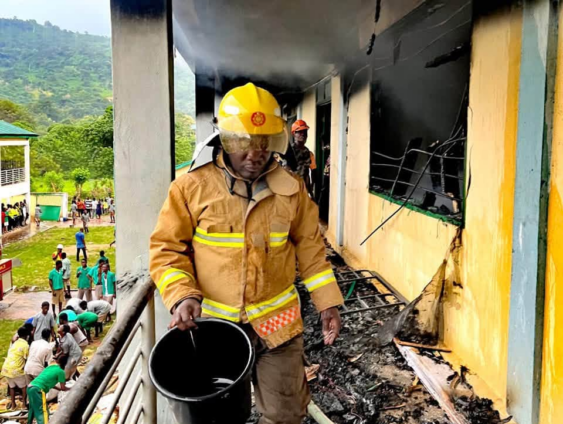
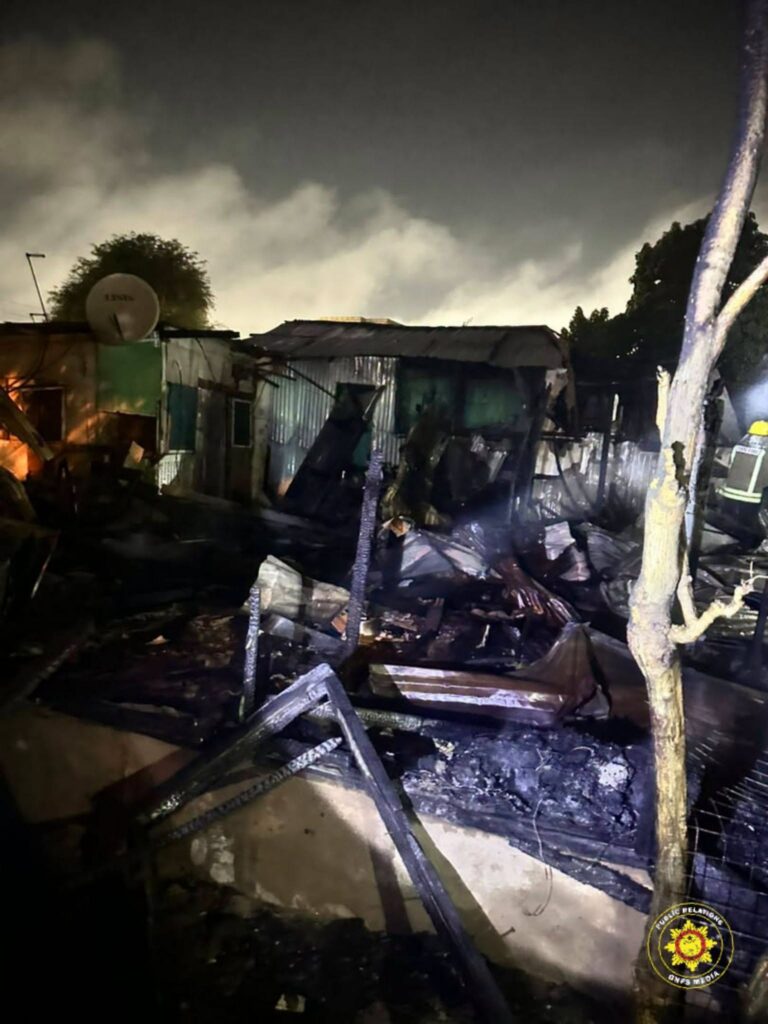
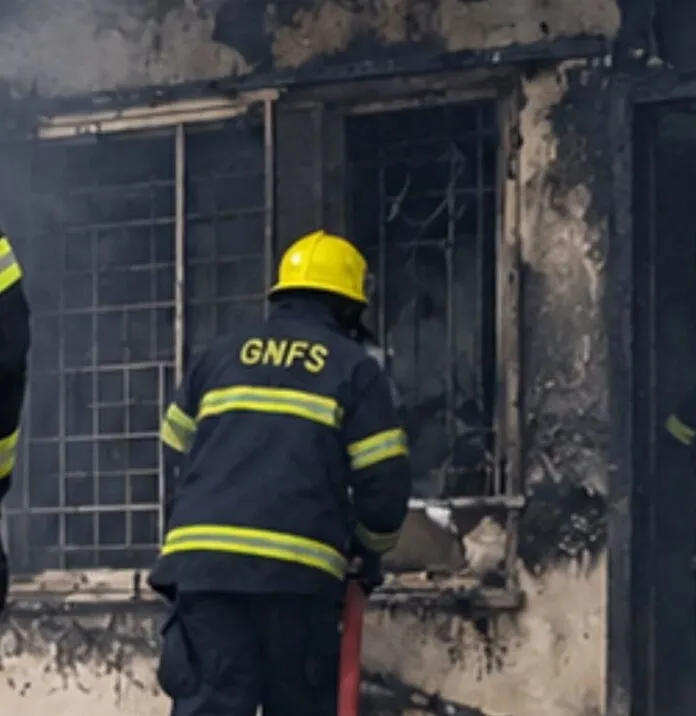
The fire consumed a four-bedroom self-contained house opposite De-Moofy Electrical Shop around 8am on August 10, 2026. A crew from the Ho Municipal Command, led by STNO I Michael Segbedzi, arrived at the scene to find the building fully engulfed. Using standard firefighting procedures, the team worked to contain the blaze and prevent it spreading to the neighbouring electrical shop and other properties in the vicinity. Their efforts succeeded in limiting the damage to the single residential structure.
According to the GNFS Volta Region office, no deaths or injuries were recorded during the incident. Initial investigations point to an electrical fault as the probable cause of the fire, a finding that echoes a persistent hazard in Ghana's residential and commercial spaces.
Growing concern over electrical fires in Ghana
Electrical faults remain one of the leading causes of domestic and commercial fires across Ghana. These incidents often occur in older buildings where wiring may be outdated or poorly maintained, or in newer structures where installations do not meet safety standards. The Ho incident underscores a broader national challenge: many households and businesses lack regular electrical inspections and maintenance routines.
The GNFS has used the occasion to issue fresh guidance to residents and business owners. The Service urges all Ghanaians to conduct periodic checks of their electrical systems, ensuring wiring is intact and circuits are not overloaded. Equally important is the habit of switching off appliances when not in use—a simple practice that can significantly reduce fire risk. Many preventable fires occur when devices such as fans, chargers, cooking equipment and heating appliances are left running unattended.
Why it matters for Ghana
Ghana's informal commercial sectors, particularly markets and street-level trading areas, are particularly vulnerable to fire incidents due to congested layouts, mixed use of residential and business spaces, and limited access to water and fire safety infrastructure. A major fire in such an area can destroy livelihoods and destabilise entire trading communities. The Ho incident demonstrates both the danger and the importance of functional emergency services.
For residents in Ho and across the Volta Region, this serves as a reminder to treat electrical safety seriously. For policymakers, it underscores the need for stronger building codes, mandatory electrical safety inspections, and public education campaigns. The GNFS, operating with limited resources across Ghana's regions, continues to respond to emergencies, but prevention remains far more effective than cure.
Residents and business operators are encouraged to contact their local fire station for guidance on electrical safety audits and fire prevention measures.
Source: The Ghanaian Times

Comments (0)
Be the first to comment.