High Commissioner exposes scholarship fund mismanagement; millions owed to Ghanaian students in UK
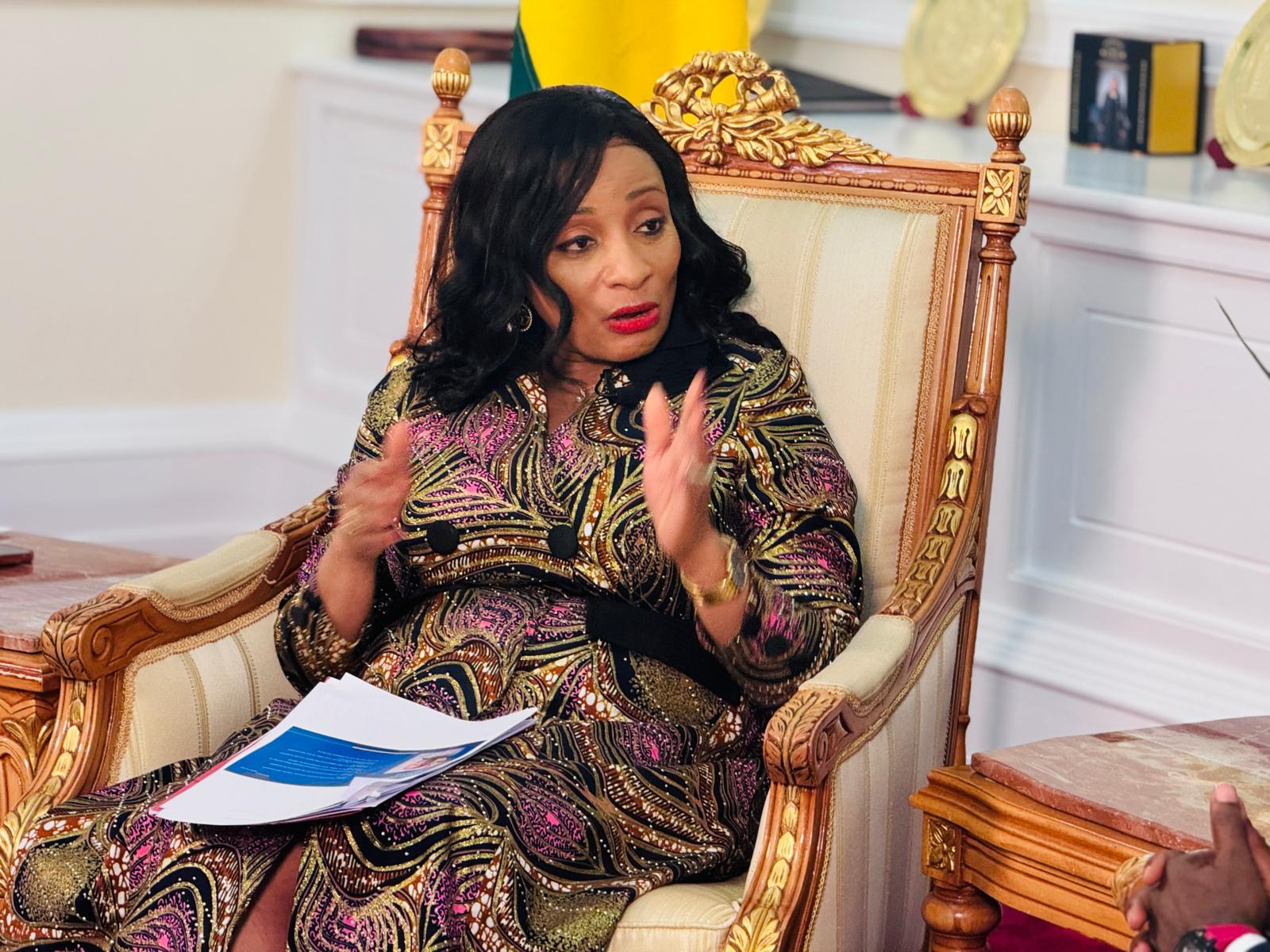
Ghana's High Commissioner to the United Kingdom, Sabah Zita Benson, has alleged serious mismanagement of government scholarship funds under the previous administration, revealing that excessive spending on the spouses and children of scholarship beneficiaries has left millions of pounds in unpaid tuition and living allowances owed to Ghanaian students studying in Britain.
In a series of social media posts, Ms Benson detailed what she characterised as reckless expenditure patterns, arguing that money spent supporting dependants could have been redirected to cover outstanding educational costs. She cited specific cases highlighting the scale of the problem, including one instance where a beneficiary's spouse and three children each received £8,160 in addition to the student's scholarship, with the family's airfare alone costing GH¢90,000.
The allegations paint a picture of a system that prioritised supporting accompanying family members over ensuring core scholarship obligations were met. Ms Benson questioned the logic of paying dependants separate allowances while core fees accumulated, describing the practice as wasteful during a period when students were left without adequate financial support.
The extent of the debt crisis
According to Ms Benson's claims, over £37 million in tuition fees and stipends accumulated between 2020 and 2025, representing a significant financial burden now facing the current government. The High Commissioner also questioned other spending decisions, including the award of a government scholarship to a 16-year-old to attend a private secondary school in the UK at a reported cost exceeding £56,000.
Additional cases cited included government spending of GH¢90,420 on visa fees, tuberculosis screening and airfare for just two students and one beneficiary's spouse. These examples suggest a pattern of generous spending on ancillary costs whilst core educational expenses went unpaid.
The revelations come amid planned protests by Ghanaian scholarship students in the UK over delayed payments, with Ms Benson directing frustration towards the previous administration rather than sympathising with current beneficiaries facing financial hardship.
Why it matters for Ghana
This scandal highlights significant governance challenges in how Ghana manages public funds earmarked for investment in human capital development. Scholarship programmes are intended to build the nation's pool of highly educated professionals, yet the mismanagement alleged here suggests weak oversight mechanisms and accountability structures within the scholarship administration system.
For students currently studying abroad, the revelations explain the source of their financial difficulties but offer little immediate relief. The High Commissioner stated that the current government has paid £3 million towards arrears and settled first-quarter payments this year, with second-quarter payments being processed. However, clearing £37 million in debt will require sustained commitment and fiscal space.
The case also raises questions about broader public sector financial controls, particularly regarding how government agencies approve payments and monitor spending. If such mismanagement occurred in the scholarship scheme, similar problems may exist in other government programmes, suggesting the need for comprehensive audit and reform across government agencies managing public funds.
Ms Benson's intervention, whilst politically contentious, serves to document the inherited financial crisis and establish accountability for past decisions. For future scholarship administration, the controversy underscores the necessity for stricter eligibility criteria for dependant support, transparent payment systems and independent oversight to prevent similar situations.
Source: MyJoyOnline



Comments (0)
Be the first to comment.