
GRIDCo Confirms Early Morning Power System Failure Plunges Ghana Into Darkness
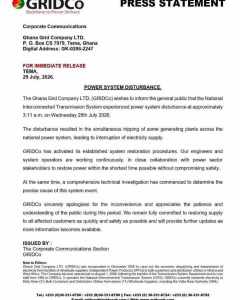

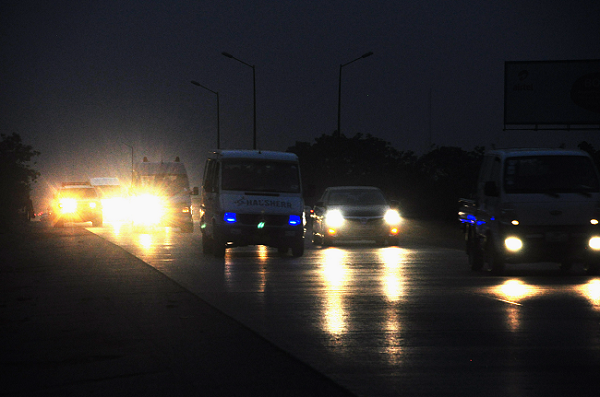
Ghana's electricity supply was severely disrupted in the early hours of Wednesday, 29 July 2026, when the National Interconnected Transmission System (NITS) experienced a major power system disturbance at approximately 3:11 a.m., the Ghana Grid Company Limited (GRIDCo) has confirmed. The incident resulted in the automatic shutdown of multiple generating plants across the country, plunging homes, businesses and essential facilities into darkness during the critical morning hours.
The blackout, which affected customers nationwide, triggered immediate concern among Ghanaians who took to social media to voice their frustrations. GRIDCo moved swiftly to activate its established system restoration procedures, mobilising engineers and system operators to work around the clock in collaboration with other power sector stakeholders to bring electricity back online as safely and quickly as possible.
Restoration Efforts Underway
GRIDCo has assured the public that comprehensive technical investigations are already underway to pinpoint the exact cause of the system disturbance. The company has apologised for the inconvenience caused and pledged to keep the public updated as information becomes available. System operators and engineers were engaged in continuous restoration work, demonstrating the urgency with which authorities responded to the crisis.
The utility provider emphasised that safety remained paramount during the restoration process, meaning that whilst teams worked at pace, they would not cut corners that could jeopardise the stability of the power network or personnel involved in the operation.
Why It Matters for Ghana
Power supply disruptions of this scale have serious implications for Ghana's economy and daily life. Blackouts affecting the entire national grid during business hours disrupt commercial operations, affect manufacturing productivity, compromise refrigeration of perishable goods, and create operational challenges for hospitals and healthcare facilities. For ordinary Ghanaians, loss of electricity during daylight hours interrupts work, schooling, and access to essential services.
The incident highlights the vulnerabilities within Ghana's power transmission infrastructure and raises questions about the reliability of the National Interconnected Transmission System. As Ghana's economy continues to grow and energy demand increases, ensuring system stability and preventing widespread outages becomes increasingly critical. The speed and effectiveness with which GRIDCo responds to such incidents will be closely watched by consumers and businesses who depend on consistent electricity supply.
Such disturbances also underscore the importance of investment in grid infrastructure resilience, better monitoring systems, and preventative maintenance protocols. The technical investigation results will likely inform future policies and infrastructure decisions aimed at preventing similar incidents.
Looking Ahead
GRIDCo has committed to providing further updates as the technical investigation progresses. The company's prompt communication and activation of restoration procedures demonstrated standard crisis management, though questions about the underlying cause of the disturbance remain. Once investigations are concluded, clarity on what triggered the simultaneous plant shutdowns will be crucial for public confidence in the power sector and for determining what preventative measures can be implemented.
Source: Ameyaw Debrah



Comments (0)
Be the first to comment.